1
/
8
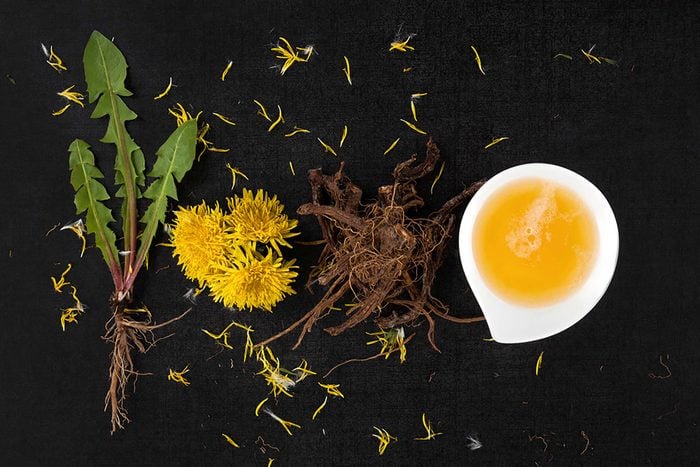
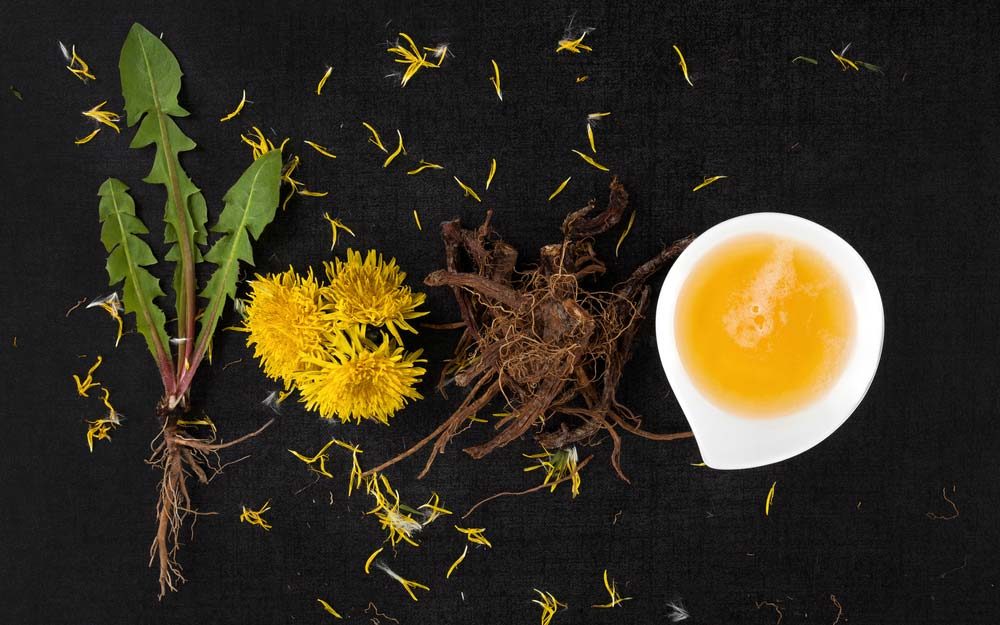
What is Dandelion Root?
While many consider dandelions to be unwelcome weeds that invade lawns and gardens, they are actually rich in vitamins and minerals and serve as a valuable herbal remedy. “The dandelion plant (both roots and leaves) is recognized for its bitter properties, offering numerous benefits. It can enhance digestive function, especially for those who may have overeaten, struggle with digestion, or experience post-meal bloating,” explains Michael Brown, a naturopathic doctor in Kansas City and founder of Naturae’s Path. “Additionally, it supports liver and kidney health, amplifying metabolic and detoxifying functions in the liver and providing protective benefits for the kidneys.” Many people enjoy dandelion tea as part of a detox regimen, but there are a few important considerations before you begin a detox.
2
/
8

Fascinating New Research
While research on this herb has been limited in the past, momentum is building. Donese Worden, a naturopathic medical doctor and adjunct faculty member at Arizona State University, highlights two intriguing studies. One study published in Food and Chemical Toxicology in 2019 identified new compounds in dandelion root, in addition to over 100 previously known phytochemicals. “Some of these compounds demonstrate antioxidant and anticoagulant properties while others exhibit anti-platelet activity, which helps reduce blood stickiness,” she explains. The second study, which appeared in Molecular Biology Reports in 2019, discovered that dandelion root provides protection for the liver and testicular tissues in rats subjected to radiation exposure. Additionally, Worden mentions that dandelion root may help mitigate photo-aging from UVB rays and combat obesity, with emerging studies suggesting its potential benefits against diabetes and certain cancers.
3
/
8

Why People Turn to Dandelion
“Dandelion extracts have been utilized extensively throughout history, especially in traditional Chinese and Native American medicine,” states Worden. Native Americans historically used boiled dandelion to address kidney ailments, inflammation, skin conditions, heartburn, and digestive issues, while traditional Chinese medicine employed it for stomach problems, appendicitis, and breast-related issues. Early Europeans used dandelion to alleviate fevers, manage diabetes, and reduce diarrhea.
Dandelions also boast a wealth of vitamins. According to the USDA’s Nutrient Database, they are an excellent source of vitamins A, C, and K. Remarkably, just one cup of dandelions provides 112% of the daily value for vitamin A, 32% for vitamin C, and an astonishing 535% for vitamin K. These vitamins support a robust immune system, enhance bone health, and regulate blood clotting. Explore these 16 vitamins and supplements that doctors take regularly.
4
/
8
How to Use Dandelion Root
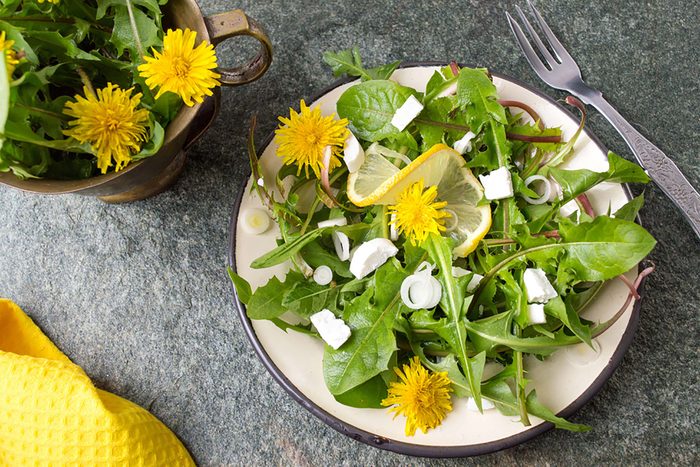
Traditionally, dandelion roots were roasted and prepared as a drink, while the leaves were incorporated into salads, soups, and sandwiches. Today, dandelion is popular in teas and as a coffee substitute, commonly used for detoxification. It is also available in capsules, powders, and extracts. “I prefer tinctures (liquid extracts) and recommend taking them with a small amount of water two to three times a day,” notes Brown. “Some reputable companies for dandelion tinctures include Wise Woman Herbals, Herb Pharm, and Gaia Herbs.
5
/
8

Are There Any Risks?
According to Worden, dandelion is relatively safe among medicinal herbs, yet there are some risks associated with its use. “As with many herbs, we lack sufficient data regarding the safety of dandelion during pregnancy and breastfeeding, so I recommend avoiding it during those times,” she states. “Individuals with known allergies to ragweed, daisies, marigolds, or chrysanthemums should also steer clear of dandelion as they might be allergic to it as well.” Furthermore, dandelion may interfere with antibiotics, diminishing their effectiveness and could interact adversely with lithium, medications affecting liver function, and diuretics. It is paramount to consult your physician to ensure safety, particularly if you belong to any of these categories. If approved by your doctor, the appropriate dosage will depend on your age, health status, and other factors. Be cautious of these 12 home remedies that may do more harm than good.
6
/
8
Your Own Personal Pharmacy
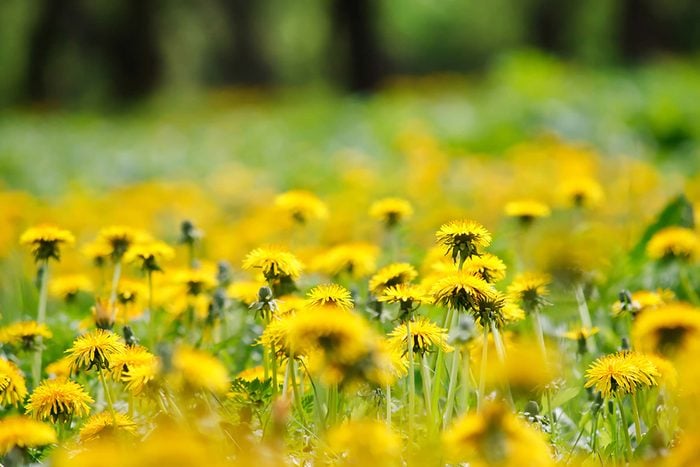
Is a yard abundant with dandelions a source for your own herbal remedies? Perhaps. However, if you’re uncertain about the safety of the environment, it’s prudent to acquire dandelions or dandelion extracts from a reliable source. “Quality is crucial,” remarks Worden. “I always request a Certificate of Analysis for any product I recommend. This ensures testing confirms the presence of the claimed ingredients in effective amounts, while also confirming the absence of harmful substances like lead, arsenic, harmful bacteria, and fungal growth. You can ask the manufacturer to provide this verification.”
7
/
8
How to Dry Your Own Roots
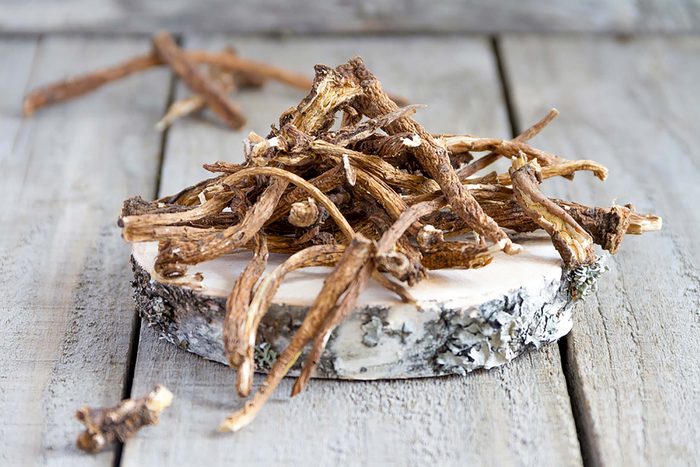
When dried and stored properly, dandelion roots can last up to a year. The drying process is straightforward: Start by soaking the roots in water for several minutes, rinse thoroughly until clean, then chop them into smaller pieces. Roast the pieces in the oven at 200°F for about one hour or until they easily snap when bent. This will adequately dry them out. Store the dried roots in an airtight container and they are ready for use in tea. Follow this guide for the best techniques to store your herbs.
8
/
8
Introducing Dandelion Into Your Diet Gradually
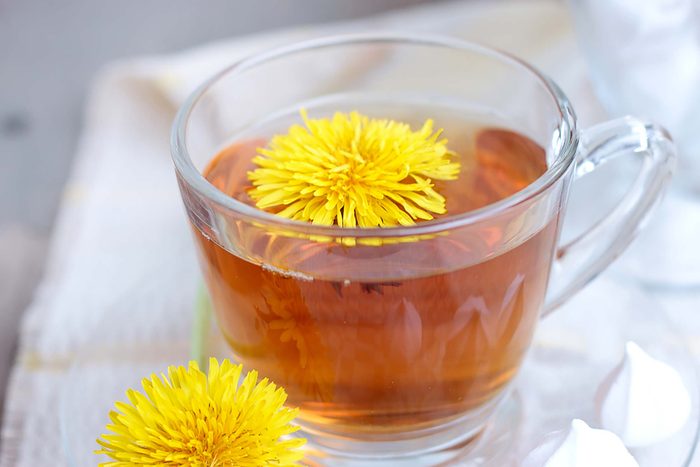
As with any new addition to your diet, it’s important to introduce dandelion slowly to allow your body to acclimate. This gradual approach is crucial, especially if you have allergies. Dandelion’s diuretic properties may disrupt your body’s water balance, potentially increasing bathroom visits. If you choose dandelion tea, Brown recommends starting with one cup in the morning, gradually increasing to two or three cups daily over subsequent weeks if desired. Always adhere to the recommended dosage provided by the manufacturer, whether you are using herbal products or otherwise. Don’t overlook these 50 natural remedies that have proven effectiveness.