Recent research highlights the significant health benefits of dietary fiber. A study co-authored by Cummings indicates that individuals who consume higher amounts of fiber—around 30g daily—experience a 15-30% reduction in risk of mortality compared to those with lower intake. This adequate fiber consumption can decrease the likelihood of conditions such as coronary heart disease, stroke, type 2 diabetes, and colon cancer, potentially resulting in 13 fewer deaths per 1,000 people.
The most notable benefits are observed at an intake level of 25-29g of fiber each day. Achieving this can be simple by incorporating fiber into each meal and snack, ensuring that every meal includes servings of fruits or vegetables. For example, a potato baked with its skin accompanied by baked beans, followed by an apple, provides approximately 15.7g of fiber. Additionally, snacking on nuts and seeds boosts fiber intake; a handful of nuts (about 30g) contains 3.8g of fiber.
A crucial factor in these health benefits is fiber’s interaction with the gut microbiome.
When our gut bacteria break down fiber, they generate beneficial byproducts like short-chain fatty acids such as acetate, propionate, and butyrate. These metabolites are essential for providing energy to cells and are linked to significant decreases in mortality, as Cummings describes.
Minding your meals: How fiber protects the brain
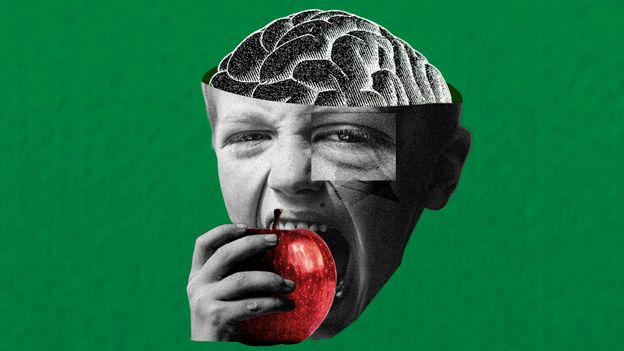
Moreover, a high-fiber diet is thought to play a vital role in promoting brain health. According to Scott, the fatty acid butyrate aids in preserving the gut lining, which reduces the risk of harmful substances entering the bloodstream and impacting the brain.