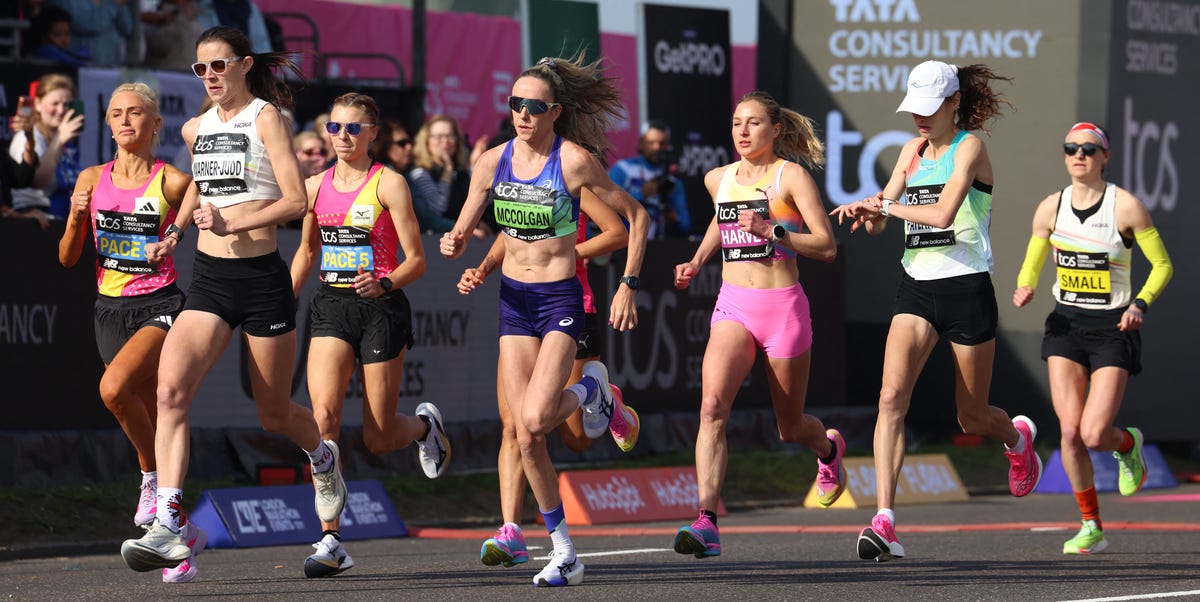
Mid-Marathon Fueling: The Gender Gap in Research
The conventional wisdom for fueling during long runs suggests consuming around 60g of carbohydrates per hour, particularly for runs lasting over 90 minutes. However, new research is pushing these boundaries, advocating for increases up to 120g of carbohydrates per hour for optimal performance in events like marathons. Yet, the majority of fueling guidelines have been derived from studies focused primarily on male athletes.
Female Athletes: The Underrepresentation in Research
Currently, only about 5% of sports nutrition research focuses on female subjects. This lack of representation means that female athletes often follow fueling strategies based on male-centric studies, which may not adequately meet their distinct metabolic and performance needs.
Recent studies, notably led by Professor James Morton, Chief Science Officer at Science in Sport, have highlighted that the nutritional requirements for female athletes diverge markedly from those of their male counterparts. This research emphasizes the urgent need for a shift toward incorporating female data into sports nutrition science.
Historical Context of Research Disparities
Two major factors contribute to the historical lack of research on female athletes:
-
Visibility and Investment: Women’s sports historically received less visibility and funding than men’s sports, influencing the type of research questions that received attention.
-
Hormonal Variability: Concerns around accounting for hormonal fluctuations in women’s menstrual cycles have made researchers hesitant to include female participants, seeing it as complicating factors in their studies.
Fortunately, attitudes are shifting, with increasing recognition of the necessity for female representation in sports science. Scholars and organizations are advocating for more inclusive research to improve nutritional guidelines for female athletes.
Issues with Male-Centric Nutritional Guidelines
Applying male-led nutritional recommendations to female athletes is problematic for several reasons:
-
Differences in Body Composition: Women generally have smaller body sizes, resulting in different energy requirements, often needing fewer calories.
-
Unique Nutritional Needs: Differences exist in areas such as glycogen storage, metabolism, and micronutrient requirements.
These discrepancies indicate that many of the established recommendations have not been validated for females, potentially compromising their performance and health.
Assessing Recent Research Findings
Professor Morton’s recent research involved elite female marathon runners, assessing their carbohydrate oxidation rates while varying the intake between 60g, 90g, and 120g of carbohydrates per hour. The study found that:
-
Higher carbohydrate intake (120g) improved energy utilization without shifting fuel sources to fat during extended exercise.
-
Similarly to male runners, female runners also exhibited higher running economy at this intake level.
However, increased carbohydrate consumption was associated with gastrointestinal symptoms, particularly in female athletes, indicating the importance of practicing fueling strategies in training.
Future Directions for Research
This pioneering work suggests a revolution in fuelling strategies for endurance athletes, looking forward to broader applications. Key areas for future research include:
-
Investigating the responses of recreational runners to high-carb intakes.
-
Understanding how carbohydrate needs vary across different types of endurance events.
-
Exploring the influence of hormonal cycles on individual responses to fueling.
The ultimate goal is to develop nuanced, evidence-based fueling strategies that cater specifically to the unique needs of female athletes, greatly improving their training, performance, and overall health.
Conclusion: Building a New Evidence Base
The ambition is to shift towards rigorous research that supports female athletes with guidelines that reflect their specific physiological requirements. As more quality studies focusing on women emerge, personalized, effective nutrition strategies can significantly enhance performance and wellbeing in female athletes, allowing them to prepare for competitions with confidence.