Understanding Carbon Monoxide Poisoning
Carbon monoxide (CO) poisoning can be mistaken for common illnesses like food poisoning or the flu. Symptoms include:
- Headache
- Dizziness
- Fatigue
- Nausea
These can be easily disregarded while traveling, where such symptoms are often attributed to other factors.
Kris Hauschildt, founder of the Jenkins Foundation, shares that many CO-related fatalities occur during sleep, sometimes with no symptoms experienced beforehand.
The Importance of CO Detectors
A portable CO detector may be your only line of defense against poisoning. Here are key reasons to consider one:
-
Compact and Affordable: Portable CO detectors are readily available and generally inexpensive.
-
Usage Flexibility: Unlike traditional smoke alarms that need to be mounted, CO detectors can be placed anywhere, especially useful in hotel rooms or rental properties.
-
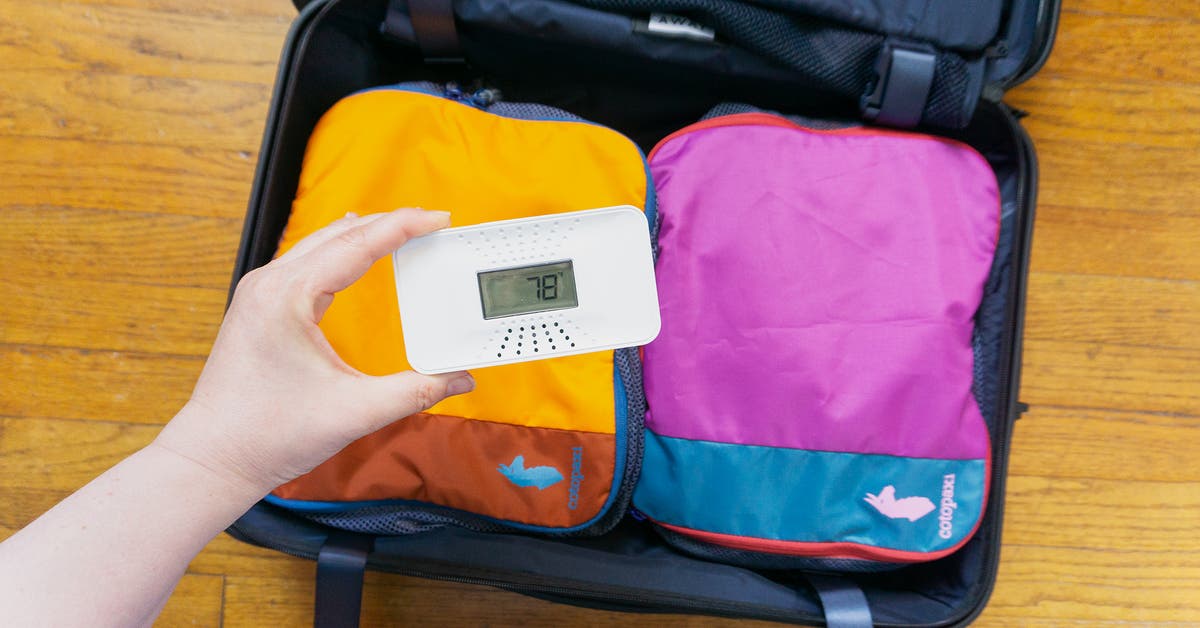
Battery Operated Options: Some detectors, like the First Alert CO710, are battery-operated, making them easier to travel with and eliminating the need for outlets.
Travel Considerations
When traveling:
- Bring your home’s plug-in CO detectors, or consider a designated portable model.
- Keep in mind that battery-operated units avoid any concerns with electrical compatibility in different countries.
Placement Tips
For effective use:
- Place CO detectors in sleeping areas or near potential sources of CO in rental homes.
- Ensure the alarm is loud enough to wake you if it activates.
Responding to Alarms
If a CO detector alarms:
- Get Outside: Move to fresh air immediately.
- Contact Emergency Services: Call 911 if symptoms are severe or persistent.
Conclusion
While recognizing CO poisoning symptoms is crucial, relying on a portable CO detector can provide peace of mind during travel, ensuring your safety from this invisible threat.