by Ariel Gilreath and Caroline Preston, The Hechinger Report
January 25, 2026
This article was featured in our climate and education newsletter. Sign up here.
While many people have embraced technologies like ChatGPT and other generative artificial intelligence, I find myself among a group of holdouts. My reluctance arises from a general concern about the environmental impact of AI: researchers estimate that U.S. data centers could use as much water as 10 million Americans and generate carbon emissions equivalent to those produced by 10 million cars. On the flip side, there is potential for AI to aid in the fight against climate change by accelerating the development of innovative solutions.
Recently, I encountered a new initiative aimed at educating K-12 teachers on how to incorporate AI thoughtfully, particularly in the context of climate change. Dubbed TEACH-AI, this program was launched last fall by collaborative teams from the University of California, Irvine, Indiana University Bloomington, and the University of Bremen in Germany. As part of their efforts, they are creating courses designed to empower future educators to use AI responsibly while teaching about climate issues.
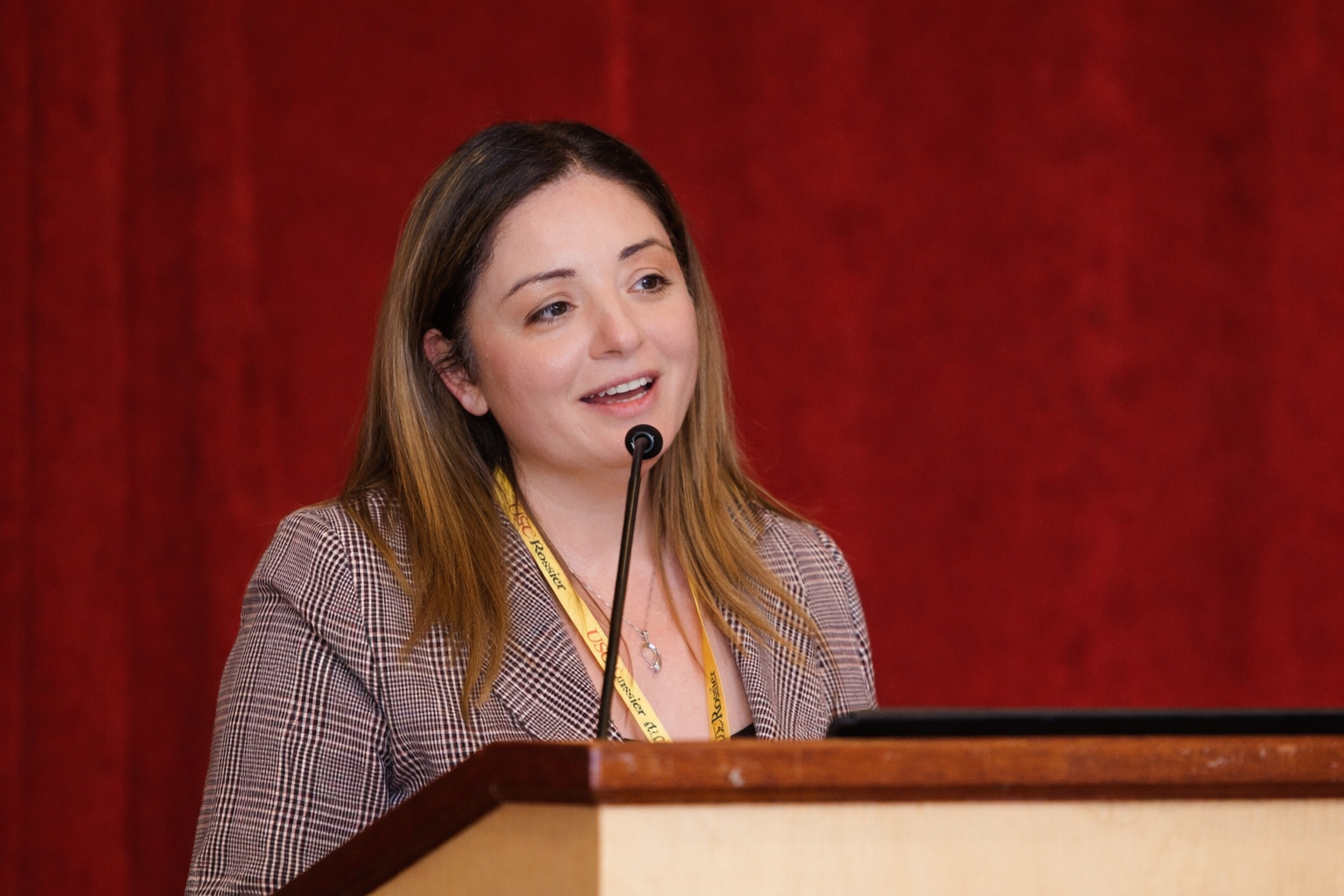
My colleague, Ariel Gilreath, who specializes in K-12 education reporting for The Hechinger Report, recently interviewed Asli Sezen-Barrie, one of the creators of TEACH-AI. Sezen-Barrie holds an endowed chair in climate and environmental education and serves as an associate professor at UC Irvine’s School of Education. Below is a transcription of their discussion, edited for clarity and brevity.
— Caroline Preston
Can you explain the concept behind TEACH-AI and how it originated?
Numerous institutions have initiated projects around AI, and it’s challenging to simply advise against its use due to the evident benefits it provides to teachers and students. Thus, we asked ourselves, “How can we encourage awareness of the environmental costs associated with AI?”
At the same time, we sought to gauge educators’ current levels of confidence and understanding regarding AI tools—not just popular ones like ChatGPT, but also educational AI specifically designed to address climate change. What we discovered was that environmentally-conscious teachers tended to be more cautious than we expected. Even when their students employed these tools, educators voiced significant concerns. Districts are now working to adopt specific AI technologies, and many teachers highlighted reasons for resisting their usage, echoing sentiments from our colleagues in Germany.
We posited: If students are going to utilize AI and districts are planning its adoption, while teachers express valid concerns, then let’s explore a framework where we can leverage climate change as context. This will help us evaluate how to use AI effectively, consider which tools align with our educational objectives, and create activities that allow teachers and students to engage in cost-benefit discussions regarding AI tools.
Is the initiative focused mainly on helping future educators teach environmental lessons using AI, or is it also about training them to use AI sustainably?
It’s a blend of both. Since this is part of a singular course, it’s an exploratory initiative. My colleagues created a tool named StoryAI, which has a targeted objective and, consequently, lower energy consumption. We’re investigating how to harness extensive data to analyze teaching issues such as sustainable fashion, food waste, and wildfire awareness.
Given the significant water and energy consumption of AI data centers, there’s debate over whether AI use is harmful to the environment. What are your thoughts on this?
Those concerns are indeed valid. However, it’s challenging for me to categorically state that AI is detrimental—there are legitimate reasons teachers adopt its use, particularly for managing overwhelming workloads. Climate change is a highly complex subject, and we instruct educators to teach it across interdisciplinary contexts, emphasizing how communities are affected and what scientific research indicates.
This might be where AI tools can prove beneficial, as they can assist educators in staying informed about climate changes and accessing up-to-date data and studies. We must discern which AI tools and applications align successfully with our teaching strategies and which do not, preparing educators to navigate these considerations.
Part of your initiative involves designing a course that integrates AI literacy with geography and environmental science. What can educators expect to take away from this course?
The course is titled “An Education for Sustainable Futures.” It will explore two key themes: how AI tools can contribute to understanding and predicting climate change, and how they can support or complicate solutions. Additionally, it will focus on fostering AI literacy.
Although numerous professional master’s programs are emerging across the U.S. and internationally, there has been insufficient dialogue—or dedicated coursework—on the environmental implications of AI. Topics such as bias and language reliance are often discussed, but they rarely include environmental perspectives.
And this course is just one aspect of the overall initiative.
We are also conducting document analyses to evaluate guidance from California, Germany, and UNESCO. Our goal is to identify where AI recommendations can overlap with principles of environmental literacy. Education holds a vital role in fostering these discussions because informed citizens are essential for making meaningful decisions and advocating for change.
In sum, education can significantly influence public discourse and encourage data literacy related to these pressing issues.
Contact editor Caroline Preston at 212-870-8965, via Signal at CarolineP.83, or by email at preston@hechingerreport.org. Reach staff writer Ariel Gilreath on Signal at arielgilreath.46 or at gilreath@hechingerreport.org.
This story about AI in education was produced by The Hechinger Report, a nonprofit, independent news organization focused on addressing inequality and fostering innovation in education. For updates, you can sign up for Hechinger’s climate change newsletter.
This <a target=”_blank” href=”https://hechingerreport.org/educating-teachers-ai-without-harming-planet/”>article</a> originally appeared on <a target=”_blank” href=”https://hechingerreport.org”>The Hechinger Report</a> and is republished here under a <a target=”_blank” href=”https://creativecommons.org/licenses/by-nc-nd/4.0/”>Creative Commons Attribution-NonCommercial-NoDerivatives 4.0 International License</a>.<img src=”https://i0.wp.com/hechingerreport.org/wp-content/uploads/2018/06/cropped-favicon.jpg?fit=150%2C150&ssl=1″ style=”width:1em;height:1em;margin-left:10px;”>
<img id=”republication-tracker-tool-source” src=”https://hechingerreport.org/?republication-pixel=true&post=114496&ga4=G-03KPHXDF3H” style=”width:1px;height:1px;”><script> PARSELY = { autotrack: false, onload: function() { PARSELY.beacon.trackPageView({ url: “https://hechingerreport.org/educating-teachers-ai-without-harming-planet/”, urlref: window.location.href }); } } </script> <script id=”parsely-cfg” src=”//cdn.parsely.com/keys/hechingerreport.org/p.js”></script>