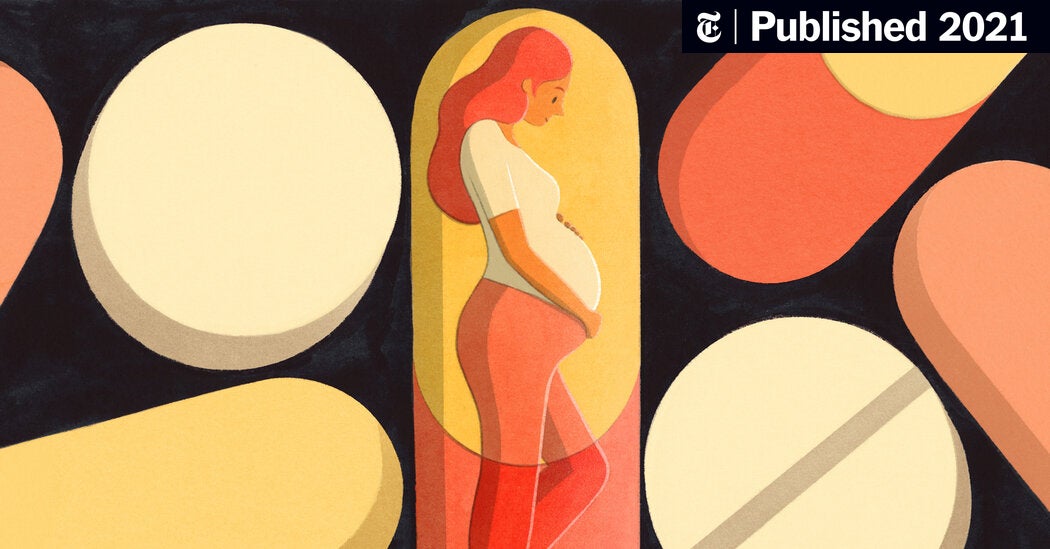
Navigating the Complexities of Prenatal Vitamins
When considering pregnancy, it’s common for doctors to recommend prenatal vitamins early on. However, the plethora of options and varying claims can quickly overwhelm expectant parents, leading to confusion and uncertainty about what is safest and most effective.
Lack of Regulation
In the United States, prenatal vitamins fall into a regulatory gray area. Unlike pharmaceuticals, these dietary supplements don’t require FDA approval before hitting the shelves. This lack of regulation means the quality and content of the vitamins can vary widely, with discrepancies between what is on the label and what is actually in the bottle. Alarmingly, some may even contain harmful contaminants.
Nutritional Needs
Pregnancy increases nutritional demands, and prenatal vitamins aim to meet these requirements. Key nutrients often recommended include:
- Folic Acid: Essential for preventing neural tube defects.
- Iodine: Crucial for brain development.
- Iron: Supports the increased blood supply during pregnancy.
However, not all prenatal vitamins provide the appropriate amounts of these nutrients, leading to concerns about both deficiencies and toxicities.
Contamination Concerns
Heavy metal contamination, particularly lead, is a significant concern. Studies have shown that various prenatal vitamins can contain lead, which poses health risks to both mothers and infants. While industry representatives argue that exposure from supplements is often lower than from food, researchers contend that the guidelines for acceptable levels may not be stringent enough, particularly for pregnant individuals.
Consumer Awareness
Cases involving misleading claims about the purity of vitamins have surfaced. Many consumers lack information about the actual content and safety of their prenatal vitamins. Industry experts suggest opting for products certified by reliable third-party organizations to ensure quality.
Global Perspectives
Interestingly, medical guidelines vary globally. In many countries, such as those in Europe, routine prenatal multivitamins are not recommended. Instead, pregnant individuals are often advised to focus on a nutritious diet that includes specific supplements like folic acid and vitamin D.
Conclusion
Ultimately, while prenatal vitamins can be beneficial, experts agree that a balanced diet is the cornerstone of maternal and fetal health. As consumers navigate this complex landscape, it’s crucial to stay informed, consult with healthcare providers, and prioritize nutrition to ensure a healthy pregnancy.