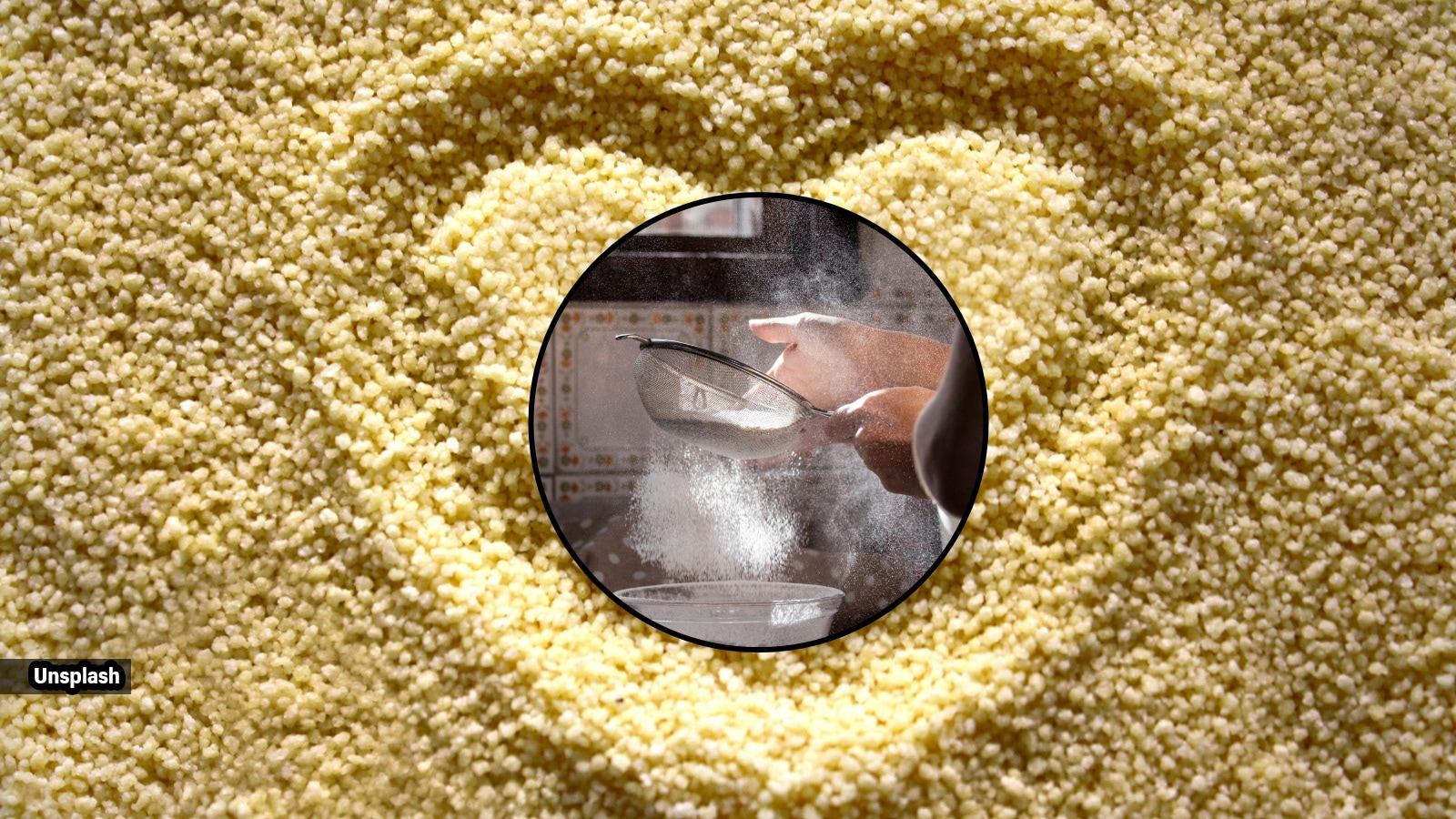
Semolina, commonly known as sooji, has often been hailed as a healthier substitute for maida (all-purpose flour) in many Indian kitchens. It features prominently in various dishes within the Indian weight loss diet, such as upma, idli, and even traditional pancakes. Recently, however, Akriti, an engineer who transitioned to medical studies, has sparked debate by claiming that the perceived health benefits of sooji may be overstated.
Referring to sooji as merely a “glorified version of maida,” she contends that it possesses a relatively high glycaemic index, contains “practically no fibre,” and is fundamentally a refined carbohydrate. According to her analysis, a slightly lower glycaemic index compared to maida does not necessarily qualify it as a healthier choice.

To shed light on these assertions, we consulted Ashlesha Joshi, a fitness dietitian and nutritionist at Tone 30 Pilates.
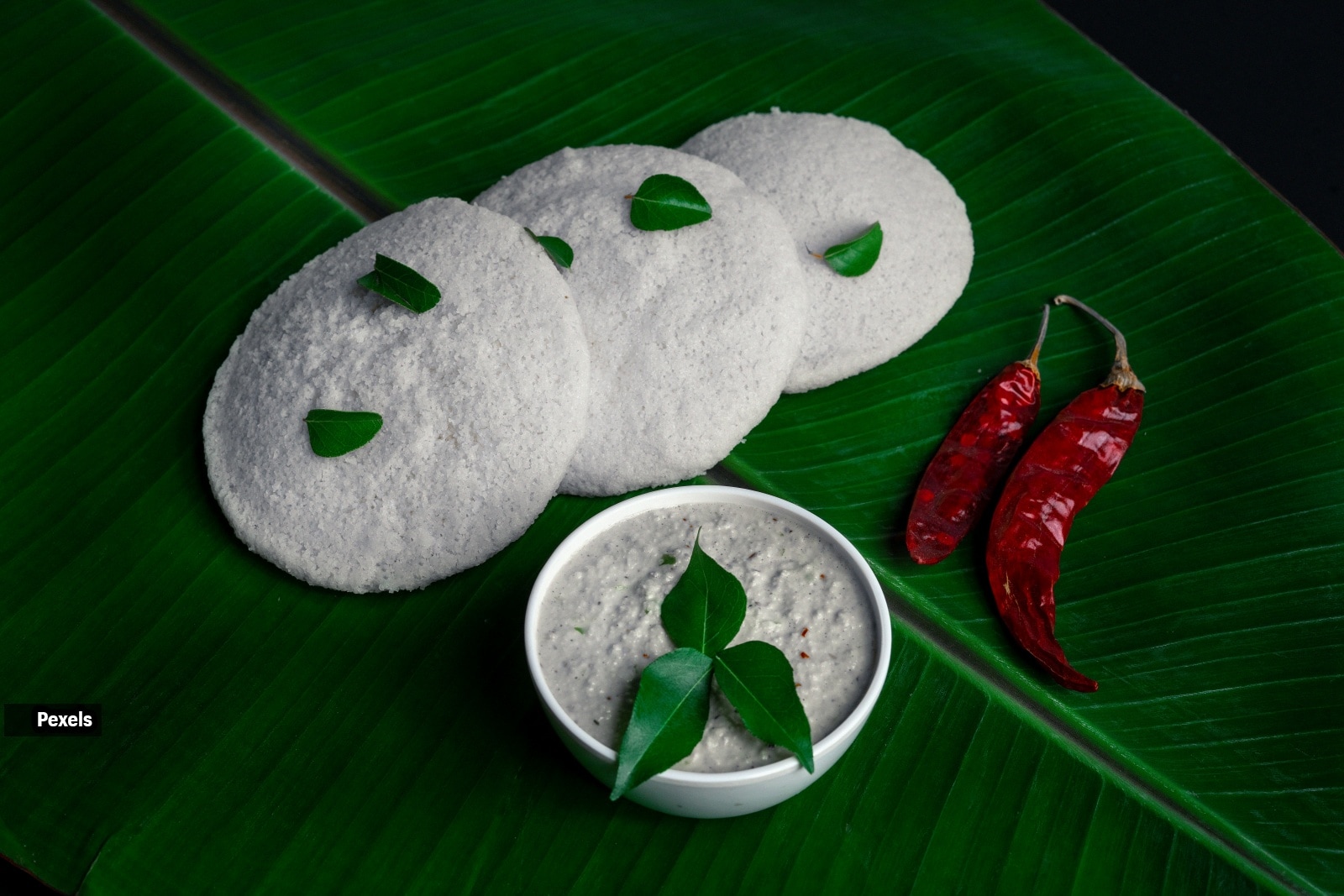 Sooji is a better choice than maida for everyday Indian dishes like upma and idli when paired with fiber-rich ingredients. (Image: Pexels)
Factual or Simplistic?
Joshi indicated that Akriti’s comparison is somewhat simplistic. “Both sooji and maida derive from wheat, but they undergo different processing methods. Maida is produced from the refined endosperm, stripping away a significant amount of fiber and micronutrients. In contrast, sooji retains slightly more protein and structural goodness due to its coarser nature,” she explained.
That said, Joshi clarified that sooji is not a whole grain. “Labeling it as ‘glorified maida’ is misleading; however, it’s also incorrect to portray it as highly nutritious. It occupies a middle ground,” she stated.
Can sooji actually serve as a healthier alternative to maida? According to Joshi, the answer depends on context and moderation. “In comparison to maida, sooji undergoes less refinement and promotes better satiety, especially when combined with vegetables, legumes, or healthy fats. It can be effectively utilized in everyday meals like upma or idli, but one should avoid excessive reliance on it. It shouldn’t replace whole grains such as millets or oats in your regular diet,” she advised.
Sooji and Blood Sugar Concerns
Addressing concerns around blood sugar levels, Joshi acknowledged that sooji has its drawbacks. “Owing to its refined wheat base, sooji has a higher glycaemic index and is absorbed quickly by the body,” she stated, adding that its lower fiber content compared to whole grains compounds these issues. However, she emphasized that preparation methods matter. “Incorporating vegetables, protein sources like dal or curd, and healthy fats such as ghee or oil can help moderate glucose absorption and mitigate blood sugar spikes,” she noted.
Story continues below this ad
Nonetheless, Joshi cautioned that regular, particularly excessive, consumption could have negative effects. “Incorporating sooji in a diet high in refined carbohydrates can lead to fluctuations in blood sugar and reduce feelings of satiety,” she warned. Additionally, it contains gluten, making it unsuitable for individuals who are celiac or gluten intolerant.
In summary, while occasional consumption of sooji as part of a balanced meal is acceptable, it is best regarded as a refined grain rather than a daily dietary staple.
DISCLAIMER: This article is based on information available in the public domain and insights from experts consulted. Always seek advice from a healthcare professional before implementing any dietary changes.