14 High-Protein Foods That No One Asked For
Overview
In recent years, many food companies have embraced the trend of adding protein to a wide variety of products, reflecting a growing consumer interest in increasing protein intake. While some of these foods traditionally contained natural protein, others include unexpected items that raise eyebrows at their high-protein labels.
1. Pop-Tarts
Pop-Tarts now offer three flavors enhanced with extra protein: blueberry, strawberry, and brown sugar. Two pastries pack around 10 grams of protein, but they still contain significant amounts of sugar and fats, leading some consumers to question the healthiness of these treats.
2. Starbucks Protein Drinks
Starbucks has launched protein-infused drinks including matcha lattes and cold brews, offering up to 36 grams of protein in some servings. While the protein content is high, some reviews suggest they taste like regular protein beverages diluted with coffee.
3. SkyPop Protein Soda
This beverage combines soda with whey protein, providing 10 grams of protein per can with zero sugar. However, initial reviews suggest that the flavor might not appeal to everyone.
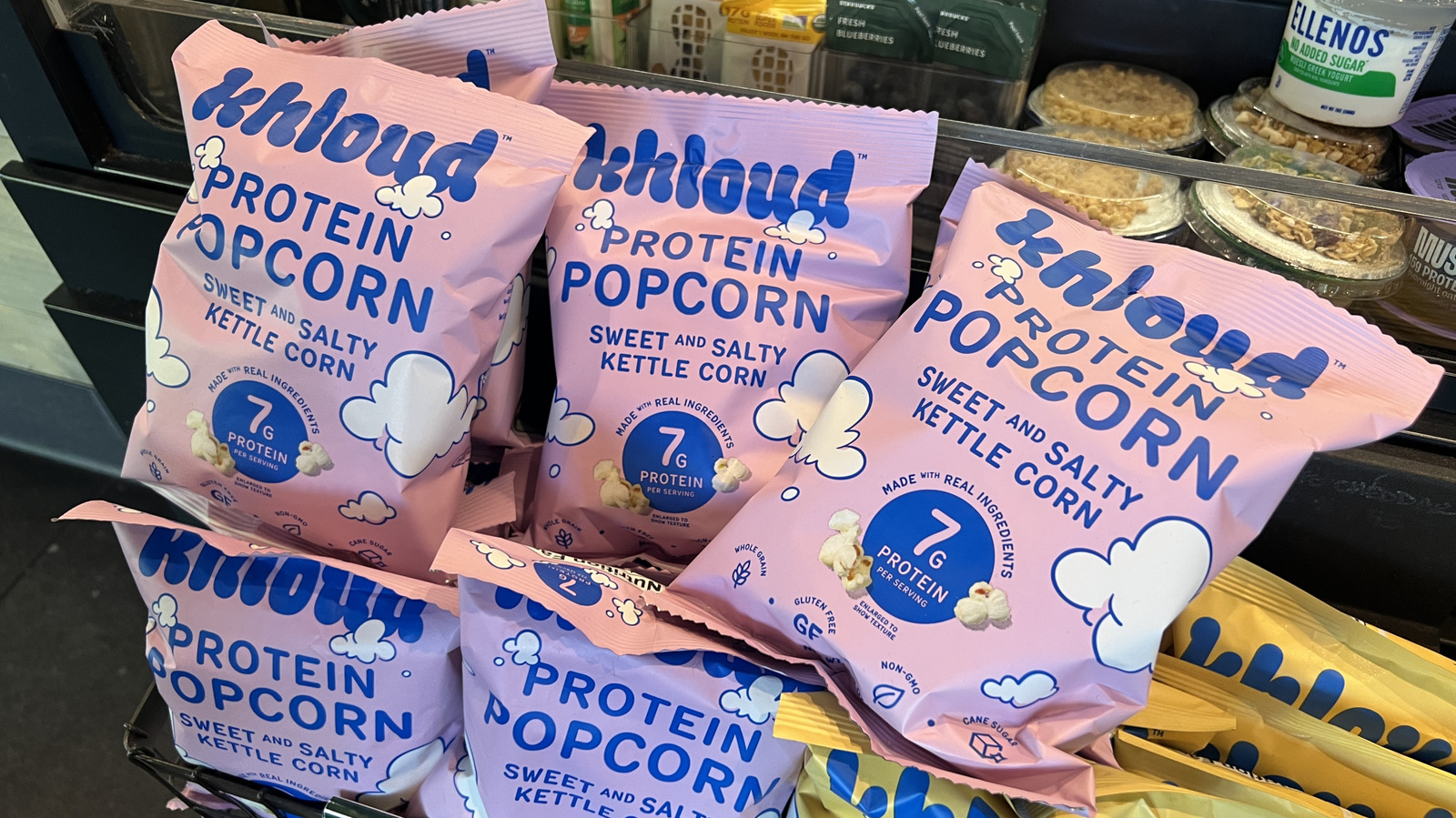
4. Khloud Protein Popcorn
Developed by Khloé Kardashian, this popcorn includes milk protein isolate and boasts 7 grams of protein per serving. Critics argue that healthy snacking doesn’t need an upgrade from something as simple as popcorn.
5. Cheerios Protein
Cheerios introduced a product with 8 grams of protein per serving, but controversy arose when consumers realized that the protein content could be misleadingly inflated when milk is added.
6. Doritos Protein
Doritos has jumped on the protein bandwagon, offering varieties that contain 10 to 17 grams of protein per serving. However, many consumers still prefer the classic chips without added protein.
7. Protein Pancakes and Waffles
Brands like IHOP and Eggo now offer protein-enriched breakfast items. While they contain up to 37 grams of protein, they also come with high sugar and saturated fat content.
8. Dunkin’ Protein Refreshers
Dunkin’ has introduced protein drinks made with Protein Milk that offer 15 grams of protein per serving. However, the protein content is not as substantial as that found in some competitors’ drinks.
9. Kraft PowerMac
This mac and cheese product features 17 grams of protein per serving, but critics note that it has higher calories and sodium compared to the classic version.
10. Skippy Protein
Skippy’s Protein peanut butter adds pea protein to conventional peanut butter, resulting in 5 grams of protein per tablespoon. Critics argue that its necessity is questionable.
11. Protein Ice Cream
Brands like Protein Pints and Halo Top have started to offer ice cream varieties with high protein content. For instance, Protein Pints contains 30 grams of protein but less sugar.
12. Protein Water
Various brands sell protein-enhanced water with up to 22 grams of protein. Critics question whether protein should ever be added to water in the first place.
13. Cup Noodles Protein
Instant ramen has been reimagined to include up to 16 grams of protein, though it retains high sodium and saturated fat content, leading some to question its health benefits.
14. Papa John’s Protein Crust Pizza
Papa John’s tested a limited-time protein crust pizza with up to 55 grams of protein. However, there has been little follow-up on whether it will have a larger release.
In summary, while these high-protein foods cater to consumer demand for protein-rich diets, they often retain or even amplify the less healthy elements that originally defined them. The trend raises questions about the need for protein in products where it was traditionally absent.