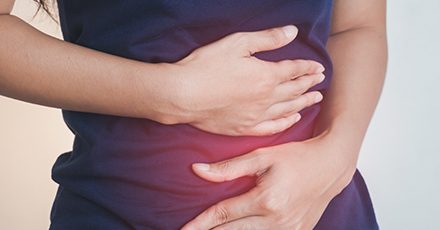
Bloating is a common yet uncomfortable experience, often caused by various lifestyle or dietary choices. While some may only suffer from it occasionally—perhaps after indulgent weekends or festive meals—others face persistent discomfort. Research indicates that around 10-25% of healthy individuals regularly experience bloating, with a higher incidence noted in women.
Identifying specific triggers and finding effective resolutions can be complicated. It’s crucial to understand your symptoms. If you are dealing with bloating, you’ll typically feel pressure in your abdomen, which may not always lead to noticeable changes in your waistline. Additional symptoms can sometimes accompany bloating, such as constipation, indigestion, or premenstrual syndrome.
To gain insights into your situation, consider keeping a symptom diary. This involves documenting your daily food and drink intake along with instances of bloating, helping you recognize potential patterns or foods that trigger your discomfort.
What Causes a Bloated Stomach?
When empty, your stomach is roughly the size of a clenched fist, but it can expand significantly to accommodate food. Notably, bloating might not originate solely from the stomach; both the small and large intestines could be involved. Symptoms can manifest shortly after eating or may take hours to develop.
1. Food and Lifestyle Factors
Your daily habits and food choices play a significant role in gut health. Factors such as inactivity, being overweight, weak abdominal muscles, and psychological stress can all hinder effective digestion. Certain foods, including artificial sweeteners, dairy, starchy foods, and specific vegetables, can exacerbate symptoms for some individuals. Alcohol may also worsen bloating—if this resonates with you, maintain a food diary to pinpoint potential culprits. It’s wise to consult a healthcare professional before eliminating any food groups to avoid nutritional deficiencies.
2. Constipation
Constipation affects approximately one in seven people, particularly young women and the elderly. Various factors contribute, including lack of exercise, a low-fiber diet, insufficient fluid intake, dietary changes, pregnancy, hormonal fluctuations, and stress. By consistently increasing your fiber intake, you can often achieve significant relief.
3. Irritable Bowel Syndrome (IBS)
One of the leading causes of bloating, IBS affects about one in five individuals at some point in their lives. Common symptoms include cramping, bloating, distension, and increased gas production. Bowel habits can also vary, leading to either diarrhea or constipation—or both.
Management strategies vary based on symptoms, but dietary changes, the inclusion of probiotic and prebiotic foods, and reducing sugars and processed foods may offer relief. Although the exact cause of IBS is unknown, stress can aggravate the condition, so effective stress management might also alleviate symptoms.
Individuals with IBS might find certain carbohydrates hard to digest. Following a supervised low FODMAP diet with the guidance of a registered dietitian can be helpful.
4. Food Intolerances
Food intolerances occur when the digestive system struggles to break down certain substances. Lactose intolerance is a common example, where individuals lack the enzyme lactase necessary for digesting lactose, a sugar found in milk. Undigested lactose can ferment in the gut, leading to bloating, abdominal cramps, and diarrhea.
While older adults and certain ethnic groups are prone to lactose intolerance, a stomach bug can temporarily reduce lactase production. If you suspect lactose intolerance, consult your GP for accurate diagnosis.
5. Coeliac Disease
Coeliac disease, an autoimmune disorder triggered by gluten found in grains like wheat, rye, and barley, leads to damage of the intestinal lining, impairing nutrient absorption. Those with coeliac disease may experience nausea, stomach pain, and bloating, often resulting in deficiencies in nutrients like iron and calcium.
If you suspect coeliac disease, visit your GP for assessment, but avoid changing your diet until diagnosed. A strict gluten-free diet can promote gut recovery, thereby alleviating bloating and other symptoms. Acceptable gluten-free grains include rice, quinoa, buckwheat, amaranth, and sorghum. Check our gluten-free recipe collection for inspiration.
6. Changes in Your Gut Bacteria
Your gut is home to trillions of bacteria, collectively known as the gut microbiome. These microorganisms help regulate digestion. However, various factors, including sugar consumption, alcohol, lack of fiber from fruits and vegetables, poor sleep, and stress, can diminish the microbiome’s diversity.
A reduced microbiome can hinder your ability to properly digest food, potentially resulting in bloating.
How to Alleviate Bloating
Effective solutions for bloating depend on its underlying causes. For some, eating smaller, more frequent meals and avoiding known trigger foods may suffice. Others might benefit from incorporating probiotic foods (like yogurt, kefir, miso, sauerkraut, kimchi, and tempeh) and prebiotic foods (such as asparagus, chicory, onion, garlic, leeks, and Jerusalem artichokes) into their diets to alleviate symptoms.
Individuals experiencing IBS might find relief from products containing peppermint oil or by consuming peppermint tea, which can ease muscle spasms. Some studies indicate that peppermint may effectively reduce bloating.
Another natural remedy is ginger, known for its anti-sickness, anti-inflammatory, and antibacterial properties.
For some, probiotic supplements can be beneficial, helping to replenish the gut microbiome.
When to Consult Your Doctor
If your symptoms worsen, persist, or occur alongside weight loss, abdominal pain, changes in bowel habits, or blood in stool, seek medical attention promptly. Persistent bloating may indicate a more serious health issue, including conditions like ovarian cancer.
Recipe Suggestions
For delicious low FODMAP recipes, explore our recipe collection.
Overnight Oats
This recipe includes resistant starch, which acts as a soluble, fermentable fiber, nurturing beneficial gut bacteria.
Butternut and Cinnamon Oats
A delightful dish rich in resistant starch from the oats and soluble fiber from both the oats and butternut squash, providing beta-carotene for healthy intestinal membranes.
Homemade Muesli
This nutritious breakfast option is high in fiber and pairs wonderfully with probiotic yogurt, making it a gut-friendly meal.
Ginger Chicken
Featuring soothing, anti-inflammatory ingredients like ginger and turmeric alongside prebiotic vegetables such as onion.
Salmon with Fennel and Tomatoes
This dish incorporates anti-inflammatory omega-3-rich salmon and fennel, known for its potential to alleviate bloating.
Mint Tea
Classic fresh mint tea can soothe and relax the digestive tract.
Salmon & Ginger Fish Cakes
This dinner option features calming ingredients, including ginger, omega-3-rich salmon, and fiber-rich sweet potatoes.
Lemon Rubbed Salmon with Tarragon
This dish combines omega-3 from salmon, tarragon to ease digestive issues, and lemon for stimulating gastric juices necessary for digestion.
Coriander Cod with Carrot Pilaf
Cumin aids digestion while white fish provides lean protein that’s easy to digest. Coriander supports both appetite and digestion, complemented by prebiotic vegetables like onion.
Roasted Asparagus
Asparagus serves as a prebiotic vegetable rich in inulin, which promotes gut bacteria health.
Aubergine Pilau
This vegetarian dish features anti-inflammatory ginger, mint, and cumin, alongside fiber-rich wholegrain rice and vegetables, and probiotic yogurt.
Griddled Aubergines with Yogurt and Mint
Complemented by digestive-friendly mint and probiotic yogurt, this dish promotes gut health.
Leafy Salsa Verde Yogurt
This flavorful dip combines mint and basil with probiotic yogurt to support your digestive system.
Coriander Mint Raita
Enjoy a harmonious mix of herbs that are beneficial for digestion in this side dish.
Cucumber Mint Relish
This tasty recipe features mint, ginger, and probiotic yogurt, all known to aid digestion.
Fruit & Seed Yogurt
This nutritious blend includes probiotic yogurt, fibrous kiwi, and cinnamon, which has been linked to easing nausea and stomach cramps.
Do you have a favorite gut-healthy recipe? Share it with us in the comments below.
This article was last reviewed on December 15, 2022.
Kerry Torrens, a qualified nutritionist (MBANT), holds a postgraduate diploma in Personalized Nutrition and Nutritional Therapy. She’s a member of the British Association for Nutrition and Lifestyle Medicine (BANT) and the Guild of Food Writers. For the past 15 years, she has contributed to numerous nutritional and culinary publications, including BBC Good Food.
All health content on bbcgoodfood.com is provided for informational purposes and should not replace the medical advice of your doctor or any healthcare professional. For health concerns, please contact your local healthcare provider. For additional information, see our terms and conditions.