This year, gold has been basking in the spotlight due to a remarkable year-to-date surge of over 60%. However, in comparison, silver has outshined gold with an even more significant rise.
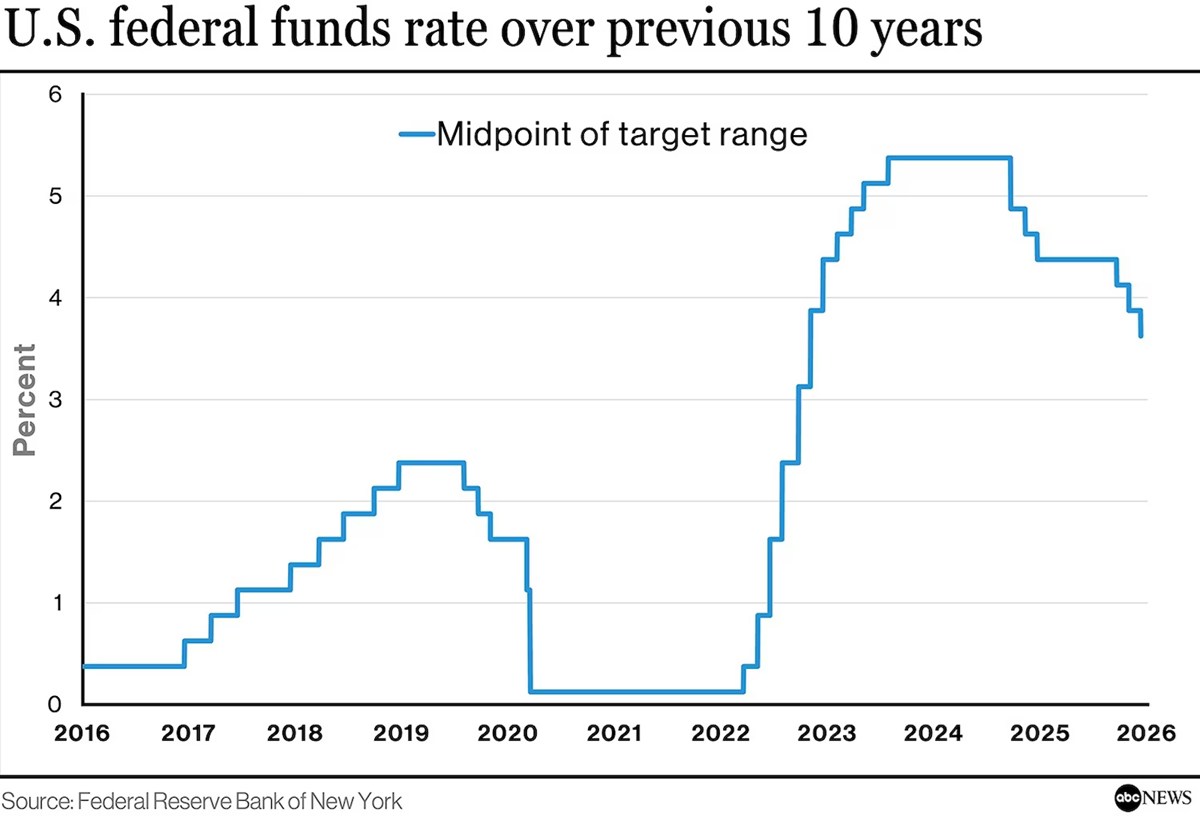
The Federal Reserve lowered interest rates by a quarter-point yesterday, a move that was anticipated. Following the announcement, the stock market experienced an uptick while Treasury yields decreased. However, this rate cut is considered “hawkish” due to the central bank’s unclear stance on future policy adjustments.
The Federal Reserve has reduced its target rate by 0.25 points, setting it within the range of 3.50%-to-3.75%, marking the third cut this year. Fed Chair Jerome Powell indicated the bank would take a cautious approach regarding future rate cuts. “We’re well positioned to wait and see how the economy evolves,” he stated.
The government’s third-quarter GDP report remains unclear as the Bureau of Economic Analysis (BEA) faces challenges in recovering its data collection and analysis post-government shutdown. Current estimates suggest a solid output increase in Q3, while Q4 appears to be set for a significantly weaker growth, according to various private forecasts.
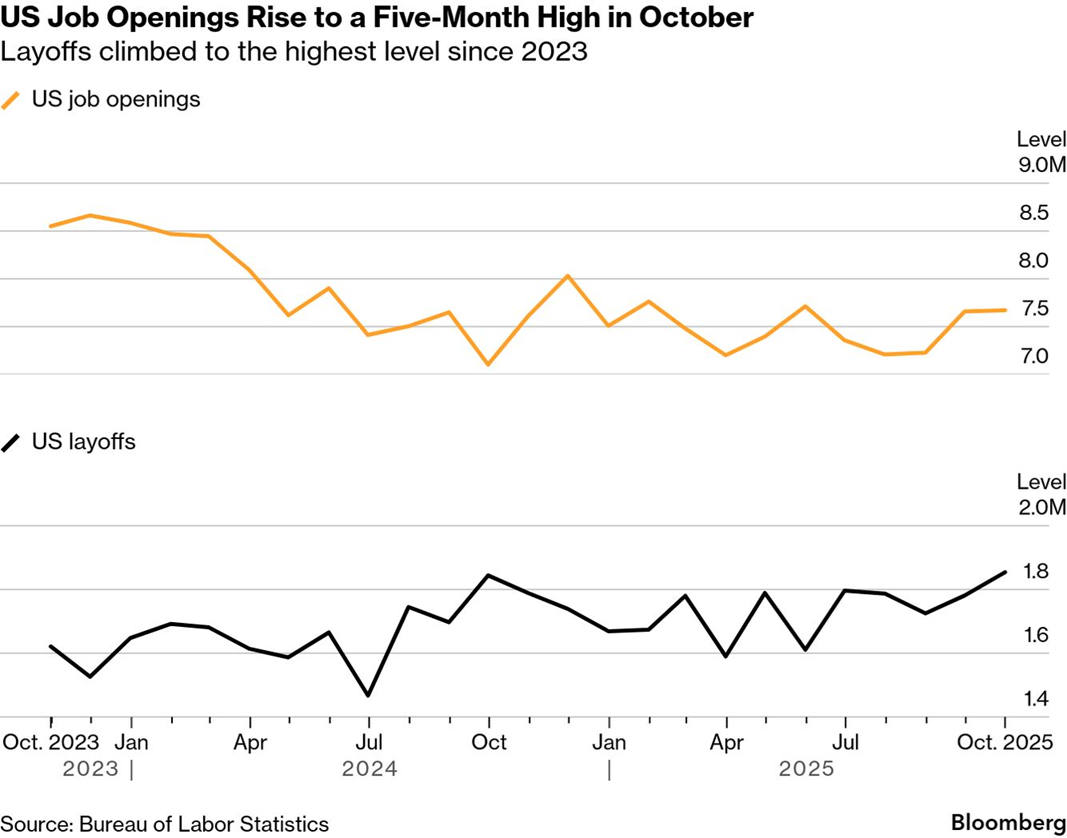
According to the Labor Department, US job openings experienced a modest increase in October, reaching a five-month high. “Although the job market isn’t collapsing, it is certainly showing signs of slowing,” stated Oren Klachkin, financial markets economist at Nationwide. “We expect Fed officials to act preemptively on labor market weaknesses with another 25 basis points rate cut tomorrow, despite inflation staying above the 2% target.”
The analysis of recent trends indicates a positive outlook. The majority of sectors within the US bond market have realized substantial year-to-date growth, based on a selection of ETFs through the market’s close on December 8. The anticipation of an additional rate cut in the forthcoming policy meeting may extend this bullish trend. However, underlying factors suggest that 2026 might present a more challenging landscape for fixed income amid fluctuating policy and macroeconomic influences.
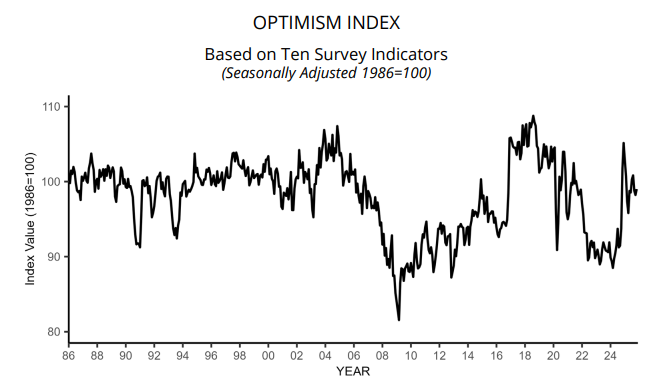
The NFIB Small Business Optimism Index increased by 0.8 points in November, reaching 99.0, surpassing its 52-year average of 98. “Even with rising optimism, small business leaders are still grappling with a shortage of qualified workers,” commented NFIB Chief Economist Bill Dunkelberg. “Nevertheless, many firms are planning to create new jobs in the near term.”
With just over three weeks of trading remaining in 2025, all major asset classes have managed to maintain their gains, based on a set of ETFs through the market close on December 5. Nonetheless, this overall bullish trend disguises weaknesses in certain sectors that could become more pronounced in 2026.
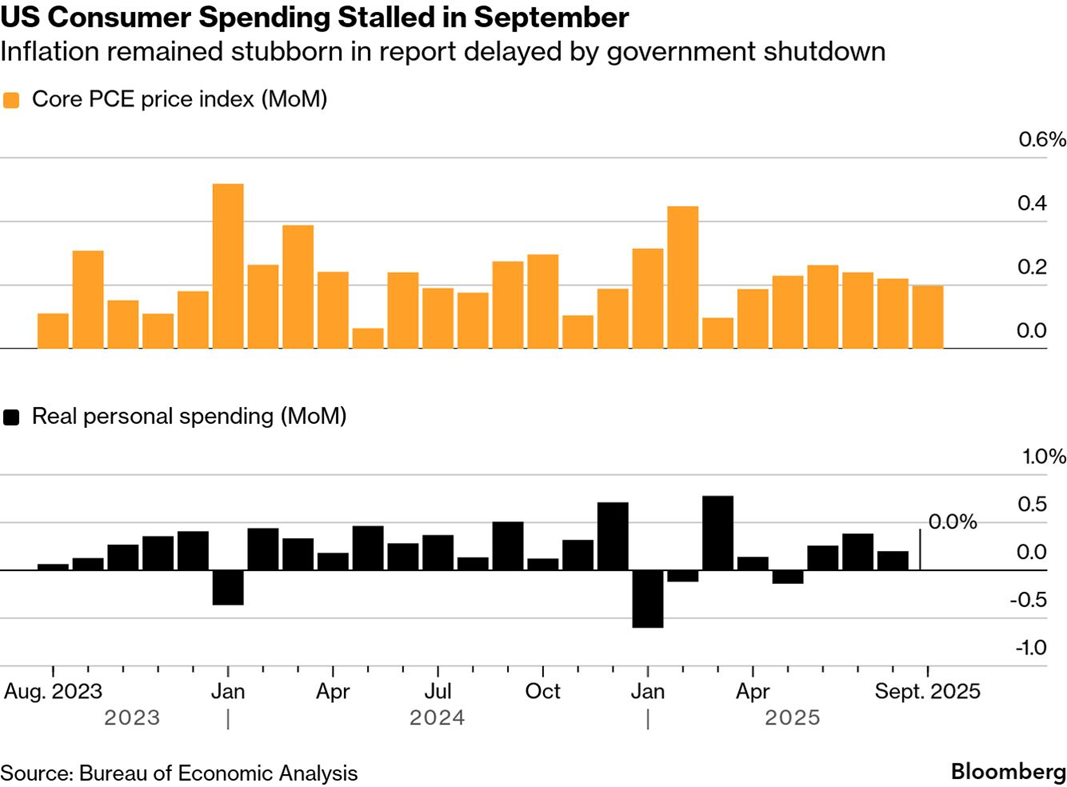
US consumer spending, adjusted for inflation, remained unchanged in September, as per Bureau of Economic Analysis data. This stagnant monthly figure represents the lowest real consumer spending in four months. “Consumers, particularly from middle- and lower-income households, are confronting significant affordability challenges, leading them to adopt more cautious and value-driven shopping habits,” noted Kathy Bostjancic, chief economist at Nationwide.
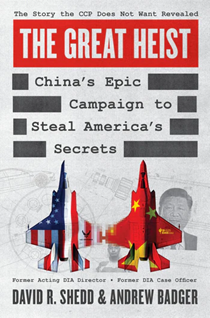 ● The Great Heist: China’s Epic Campaign to Steal America’s Secrets
David R. Shedd and Andrew Badger
Summary via publisher (HarperCollins)
Through a coordinated “whole-of-society” strategy, the Chinese Communist Party has dramatically expanded its covert operations to acquire America’s most valuable innovations—stealing defense secrets and proprietary technology from companies like Boeing, Lockheed Martin, Google, T-Mobile, and Tesla. By exploiting both human and cyber vulnerabilities, China has quietly looted the crown jewels of Western technology, saving itself trillions in R&D costs since the 1990s—with an ongoing brazenness fueled by decades of Western inaction. Drawing on exclusive investigations and interviews with intelligence officers, corporate security teams, senior policymakers, and espionage victims, David R. Shedd and Andrew Badger reveal how industrial theft has fueled China’s meteoric rise from Third World backwater to global superpower—and present a bold strategic playbook to turn the tide in the greatest economic contest of our time.

