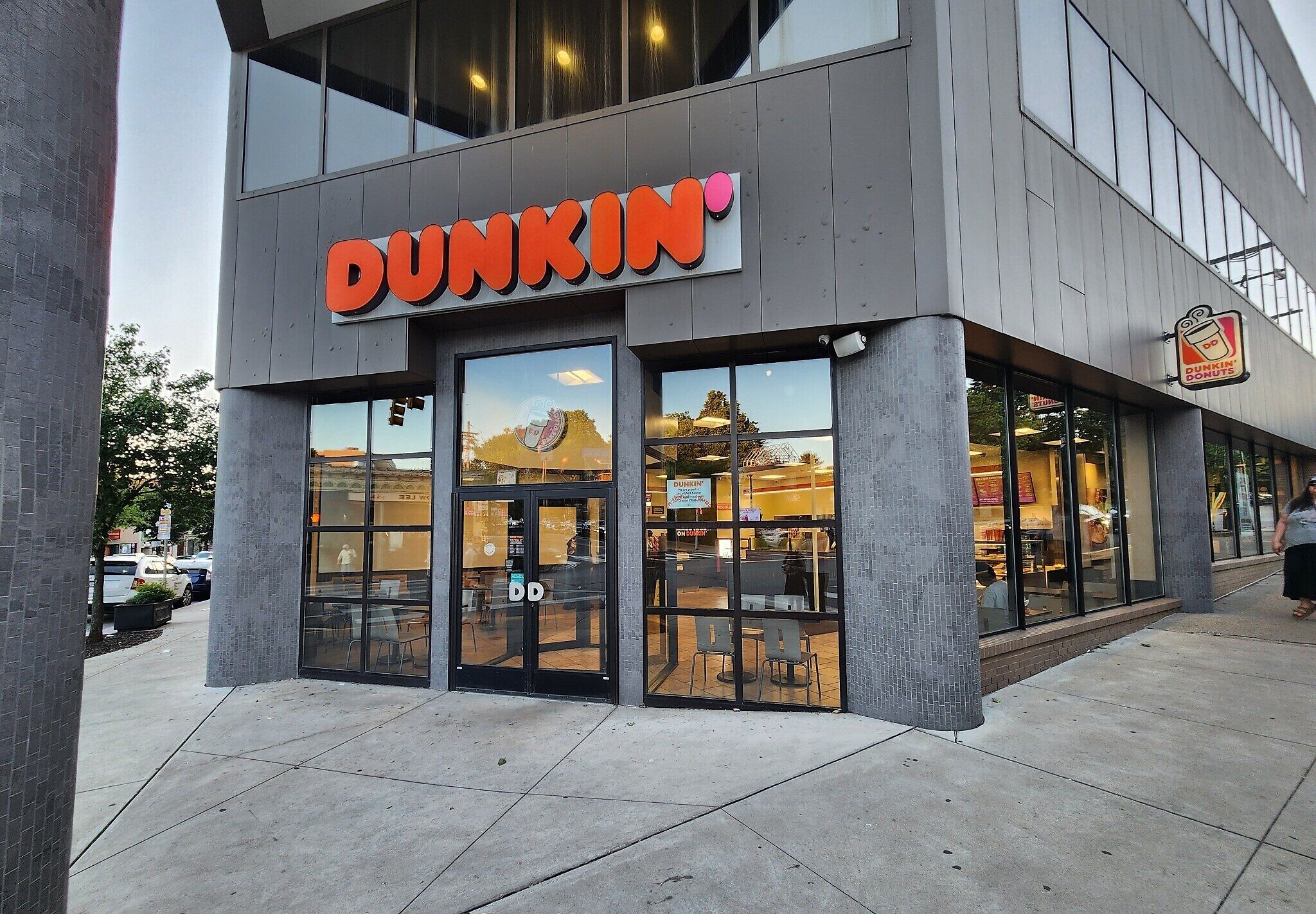
The loss of kosher certification at Dunkin’ in Squirrel Hill has sparked significant concern within Pittsburgh’s Jewish community. For many, this popular fast-food spot was more than just a place to grab a quick meal; it served as a vital gathering point that fostered community connections.
Naomi Martel, a local 13-year-old, expressed her dismay, noting that Dunkin’ was “the best hangout spot,” highlighting its spacious seating and vibrant atmosphere. Other teenagers echoed similar sentiments, emphasizing that the establishment made them feel seen and supported in their identity as members of a kosher-observant community.
The change affects not just dining options but also the social fabric of Squirrel Hill, which is home to about 47,000 Jews, nearly 40% of its residents. While Squirrel Hill boasts around 80 restaurants, only a select few are kosher-certified, reflecting the challenge of maintaining such standards in a rapidly evolving food market filled with new, non-kosher offerings.
The rabbinic organization overseeing kosher certifications, the Vaad Harabonim of Pittsburgh, struggled to reach a mutually agreeable arrangement with Dunkin’. As a result, new product lines that include non-kosher items contribute to the end of the Dunkin’ kosher certification. This development has left community members searching for new places to eat and gather.
Responses from locals have included petitions to bring back the kosher status and wider discussions about the implications of losing such an inclusive space. The deterioration of this “third place,” a term coined to describe spaces where social interactions can flourish outside home and work, worries many who treasured the inclusive atmosphere that Dunkin’ provided.
As Squirrel Hill navigates this change, community members hope to find a path forward that continues to honor their dietary laws while fostering connections among its diverse residents.