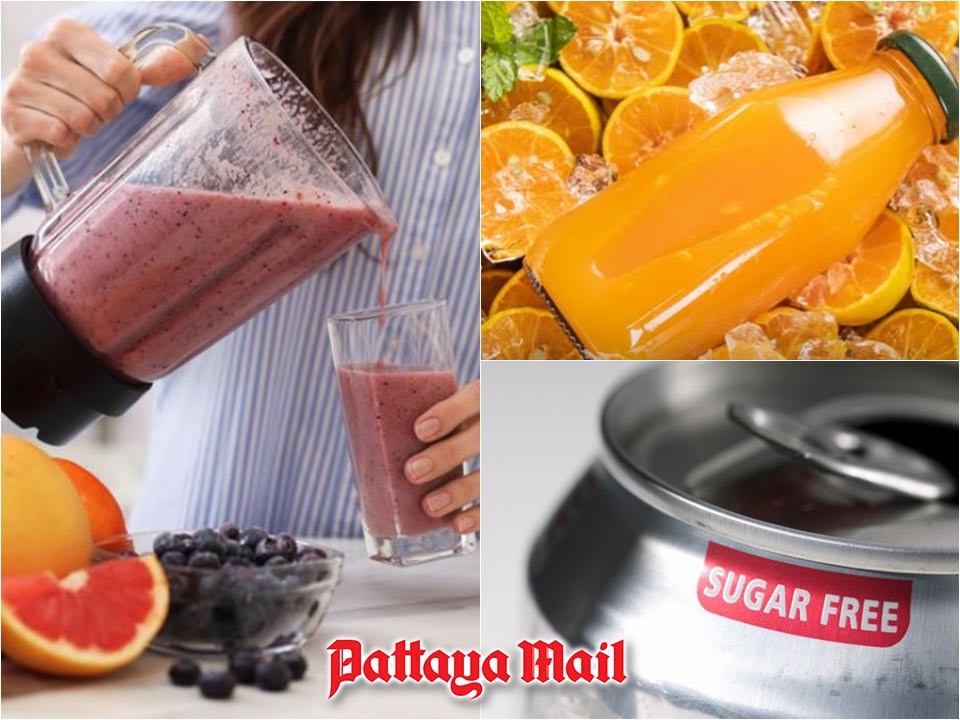
PATTAYA, Thailand – Many people opt for smoothies, fruit juices, probiotic drinks, fruit teas, and sugar-free sodas under the impression that they are making healthier choices. However, nutritionists warn that some of these beverages may hide unexpected amounts of sugar, calories, or artificial sweeteners that could jeopardize long-term health goals if consumed regularly. Worldwide health organizations persistently recommend minimizing added sugar intake due to its association with obesity, type 2 diabetes, heart disease, and other chronic conditions. Despite enticing labels like “low fat,” “made with real fruit,” “no added sugar,” or “supports digestion,” such claims do not always reflect the true nutritional value of these drinks.
Smoothies and fruit juices are often perceived as healthy because they are rich in vitamins and minerals derived from fruit. However, larger servings can equate to multiple pieces of fruit per glass, drastically increasing both sugar and calorie consumption. Unlike whole fruits, many juices lack sufficient fiber, diminishing their ability to enhance feelings of fullness. Similarly, fruit teas have become a favorite choice among health-conscious individuals, but numerous commercial varieties are sweetened with syrups, fruit concentrates, or honey, bringing their sugar content alarmingly close to that of soft drinks.
Drinkable yogurts and probiotic beverages might provide some digestive advantages, but many options on the market are laden with added sugars for better taste. Thus, consumers are encouraged to scrutinize nutrition labels rather than solely relying on marketing hype. Sports and energy drinks also raise concerns. While sports drinks can effectively replenish fluids and electrolytes during extended workouts, they are often unnecessary for everyday hydration. Energy drinks, on the other hand, can contain high levels of both sugar and caffeine, leading to excessive calorie intake and other potential health issues with regular consumption.
Even sugar-free or diet sodas spark ongoing debate among experts. Although artificial sweeteners are generally deemed safe within recommended limits, health specialists maintain that water is the best option for daily hydration. Nutrition experts advise looking beyond catchy advertising, concentrating instead on nutrition facts, serving sizes, total sugar content, and ingredient lists. They stress that no single beverage is inherently harmful when consumed occasionally; however, frequent intake of high-sugar drinks can gradually lead to weight management issues, blood sugar fluctuations, and overall health detriments. Ultimately, the most effective strategy is straightforward: drink water often, enjoy other beverages in moderation, and make informed choices based on nutritional content rather than marketing claims.
Key Takeaways
- Many seemingly healthy drinks can contain hidden sugars and calories.
- Check nutrition labels rather than just trusting marketing claims.
- Large servings of smoothies and juices can lead to excessive sugar intake.
- Fruit teas and drinkable yogurts may also be sweetened heavily.
- Sports and energy drinks can be unnecessary for regular hydration.
- Water is the best choice for daily hydration.
- Moderation and informed choices are key to maintaining health.
FAQ
Are smoothies healthy?
Smoothies can be healthy, but large servings may contain high amounts of sugar. It’s important to check the ingredients and portion sizes.
What is the best drink for hydration?
Water is typically the best choice for staying hydrated. It contains no calories or sugars and is essential for overall health.
Are sugar-free drinks better for you?
Sugar-free drinks may contain artificial sweeteners, which have mixed reviews among health experts. Moderation is key.
How does fruit juice compare to whole fruit?
Fruit juice lacks the fiber found in whole fruits and can contain higher sugar content, making whole fruits the better option for nutrition.
What should I look for on nutrition labels?
Focus on total sugar content, serving sizes, and ingredient lists to make informed choices about beverages.