As we consume beverages like water and coffee, we may be unknowingly ingesting tiny plastic particles. These microplastics and nanoplastics, invisible to the naked eye, present a growing concern regarding their entry into human bodies. A research initiative from the University of Nebraska aims to uncover the extent of our consumption of these minuscule pollutants.
Understanding Microplastics in Beverages
Supported by a substantial three-year grant of $1,479,178 from the National Institute of Environmental Health Sciences, this study examines how tiny plastic particles are released from common beverage containers, such as water bottles and coffee cups.
This effort builds upon earlier initiatives and brings together a multidisciplinary team of experts in engineering, health sciences, and consumer behavior to explore the issue comprehensively.
The team consists of researchers from the University of Nebraska–Lincoln and the University of Nebraska Medical Center, each contributing specialized knowledge:
- Lucia Fernandez-Ballester, associate professor of mechanical and materials engineering — focusing on polymers in drinking containers;
- Seulki Kim, assistant professor of sociology — examining consumer behaviors;
- Yusong Li, professor of civil and environmental engineering — studying the release rates of micro- and nanoplastics;
- Yongfeng Lu, Lott Distinguished Professor of electrical and computer engineering — employing a unique laser-based method to replicate plastic release;
- Svetlana Romanova, research assistant professor in the Department of Pharmaceutical Sciences — investigating the biological effects of these particles;
- Bing Wang, associate professor of food science and technology — focusing on risk assessment.
For Li, the implications are significant.
“This is directly about what you drink, and we consume a considerable amount, which could affect the health of millions,” Li noted.

The Importance of Measuring Plastic Release Rates
A crucial focus of the research is understanding how plastic particles are released into liquids under various conditions. By measuring these rates, scientists aim to quantify the real-world exposure consumers face.
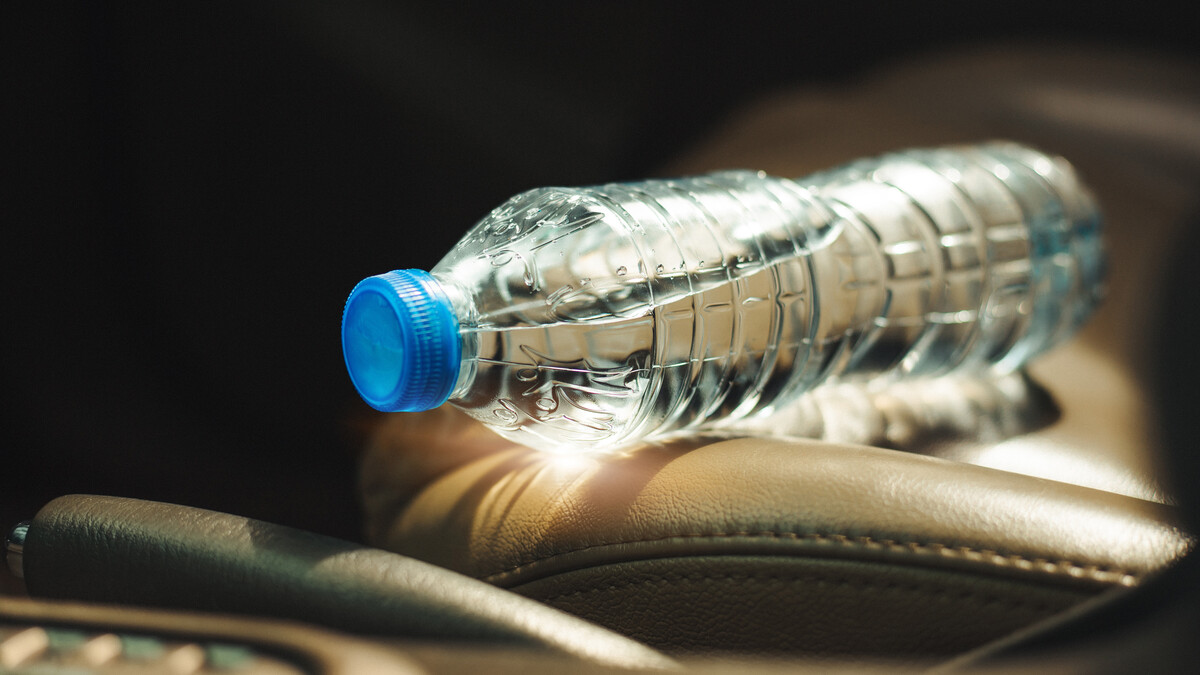
Li emphasizes that common practices can significantly influence the release rate. For instance, heating containers, exposing them to high temperatures, or frequently reusing plastics may increase the number of particles released. Through their research, the team aspires to identify which behaviors pose the greatest risk and what changes can mitigate this.
The specifics are vital, as not all plastics behave uniformly under similar conditions.
“The type of material and its processing can lead to different release behaviors,” said Fernandez-Ballester.
This variability means that seemingly identical bottles could expose users to vastly different levels of microplastics. Such insights could eventually steer manufacturers towards safer designs and empower consumers to make better choices.
However, understanding exposure is just one aspect of the research. The team also seeks to explore how these particles interact with the human body, necessitating larger quantities of materials than those typically generated through standard usage.
This is where Lu’s expertise comes into play. His advanced laser technique allows the lab to produce substantial amounts of micro- and nanoplastics that closely mimic those released from actual containers.
“We can generate the particles we need in hours instead of months or years,” Lu explained.
This capability enables scientists to conduct more accurate toxicity studies, relying on materials that truly represent what consumers may ingest. This alignment enhances the research’s ability to relate the amount of plastic released to its potential impacts on human health.
The collaborative nature of the project underpins its ambitious objectives. Engineers measure release rates and identify relevant particles, materials scientists assess the properties of plastics, and health researchers evaluate the biological effects.
“The strength of this project lies in our team,” Lu emphasized. “Our combination of expertise is what sets us apart.”
The ultimate aim is not solely to comprehend microplastics but to translate that knowledge into actionable recommendations. By pinpointing how daily habits contribute to exposure, the team aspires to provide evidence-driven guidance for consumers.
“We will engage with manufacturers, sharing the findings of our project. Additionally, we will communicate our results to early childhood educators, with whom we collaborate,” Li added.
As this research initiative takes its initial steps, the potential insights could lead to meaningful changes, benefiting billions who rely on plastic beverage containers daily—one sip at a time.
Key Takeaways
- Microplastics and nanoplastics may be ingested through everyday beverages.
- A research project from the University of Nebraska seeks to measure plastic release from containers.
- The team comprises experts in engineering, sociology, and health sciences.
- Heating and reusing plastic containers can increase particle release.
- Understanding these factors could help guide safer container designs and consumer choices.
- The study aims to translate scientific knowledge into practical recommendations.
FAQ
What are microplastics and nanoplastics?
Microplastics are small plastic particles smaller than 5mm, while nanoplastics are even smaller, often at the molecular level.
How can microplastics enter beverages?
Microplastics can be released from plastic containers during storage, heating, or repeated use.
Why is measuring plastic release important?
Measuring release rates helps quantify consumer exposure and assess potential health effects.
What will the research team’s findings be used for?
The findings aim to guide manufacturers in creating safer products and provide consumers with informed choices.