The Wonderful World of Fish: Discover Your Favorites
Fish, much like Marmite, raw tomatoes, and coriander, can provoke strong opinions. There are those who adore it, alongside those who cringe at the mere mention of seafood. For the latter group, the hesitance often stems from not having discovered their ideal fish yet.
If you have a fish skeptic among family or friends, it’s possible they just need to encounter their “BFF” (Best Fish Friend). Many fish don’t have that strong “fishy” flavor, according to Valerie Agyeman, RD, a women’s health dietitian and founder of Flourish Heights. Incorporating a milder fish into dishes like pasta, pizza, or tacos can help expand the palette of picky eaters. Agyeman suggests that introducing seafood into familiar foods is a great strategy.
Moreover, there are numerous health benefits to consider. Fish is rich in vitamins and nutrients that can help lower blood pressure and reduce the risk of heart attack or stroke, as highlighted by Grace Derocha, national spokesperson for The Academy of Nutrition and Dietetics. Fish is packed with omega-3 fatty acids, vitamins D and riboflavin, along with essential minerals like calcium, iron, zinc, magnesium, and potassium. Health authorities like the NHS recommend consuming two servings of fish weekly. Derocha underscores that fish is a high-quality, lean protein beneficial for muscles, bones, tissue, and skin.

However, some individuals choose to avoid fish due to concerns about sustainability or potential mercury exposure, which can be particularly harmful for pregnant women and young children. While most commonly available fish are safe for regular consumption, Agyeman emphasizes that seeking sustainable seafood certifications like MSC is crucial to ensure a safe and responsible seafood supply.
According to the NHS, women who are pregnant or may become pregnant should steer clear of:
- swordfish
- marlin
- shark
- raw shellfish
- cold-smoked or cured fish (such as smoked salmon or gravlax), unless cooked until steaming hot.
Feeling inspired? Here are 15 super-healthy fish options to incorporate into your diet. They are listed in no particular order, as what is healthiest for you depends on your specific needs and dietary context; you’ll also find tips on reducing mercury exposure.
1. SALMON
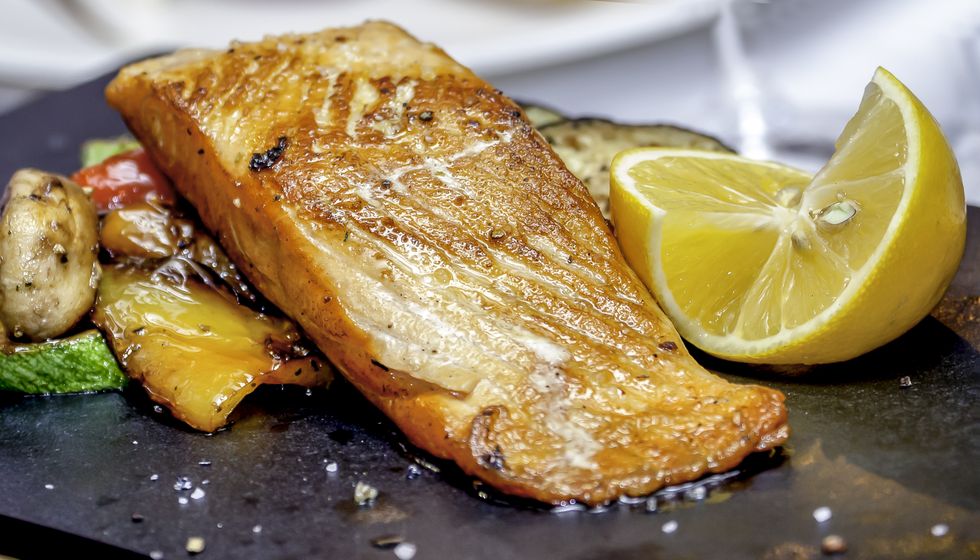
Salmon stands out as a favorite, particularly wild-caught varieties. They’re high in healthy fats, calcium, and vitamin D. According to Derocha, “Wild salmon thrives in its natural environment, resulting in lower exposure to harmful contaminants.”
2. TUNA
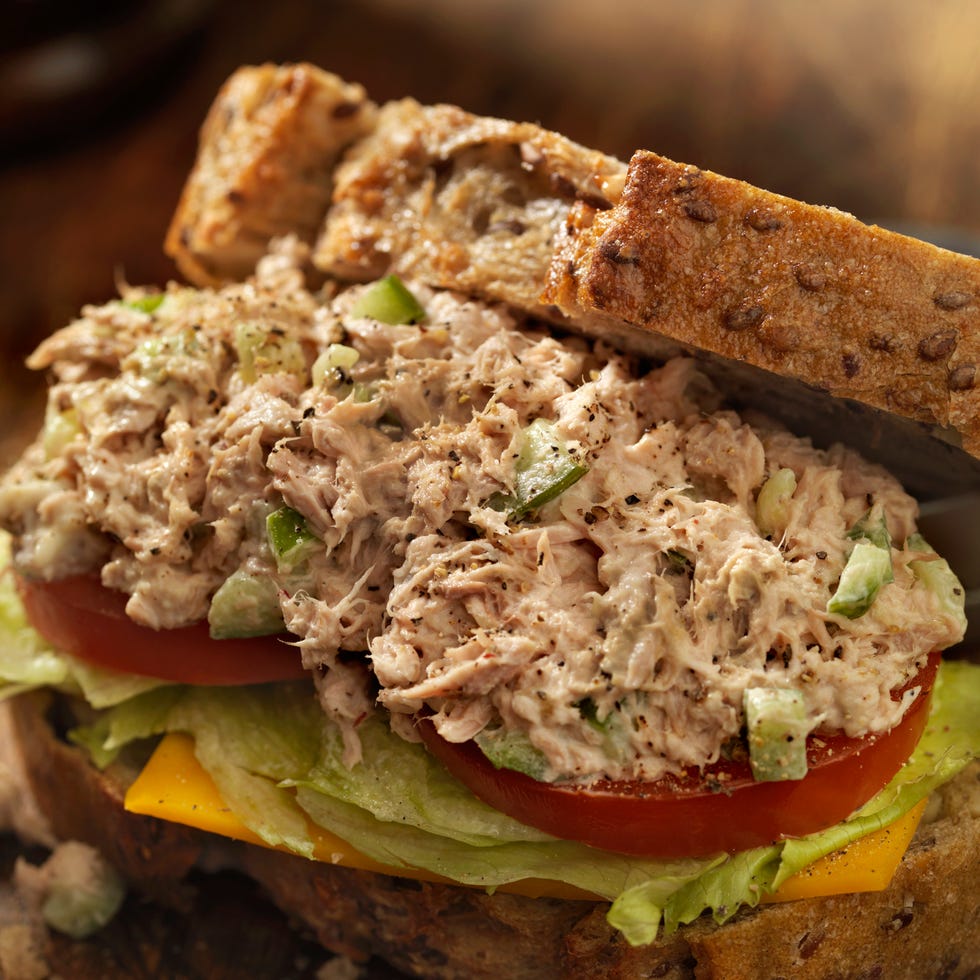
Tuna is a convenient option for quick meals. Whether you opt for pouches or canned varieties, you can easily add it to salads. “It’s packed with omega-3 fatty acids, vitamin D, and selenium—an antioxidant mineral,” Agyeman explains. While tuna is nutritious, it’s wise to consume it in moderation due to its higher mercury content, particularly in larger species. A better choice is smaller types, such as skipjack, commonly found in canned tuna.
3. COD
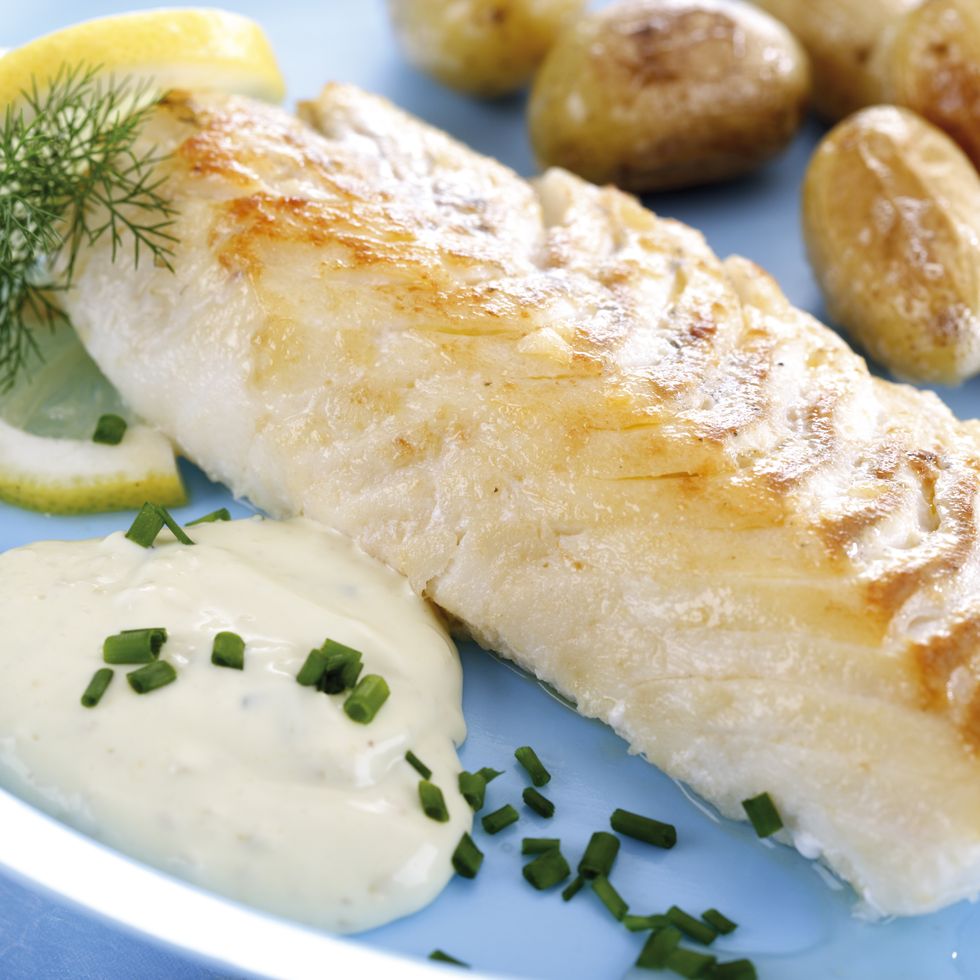
Cod is an excellent introduction to fish for newcomers. Its mild flavor appeals to picky eaters and children, making it a great choice for dishes like fish and chips. When grilled or baked, cod is low in fat and high in protein, ensuring a nutritious meal.
4. SARDINES
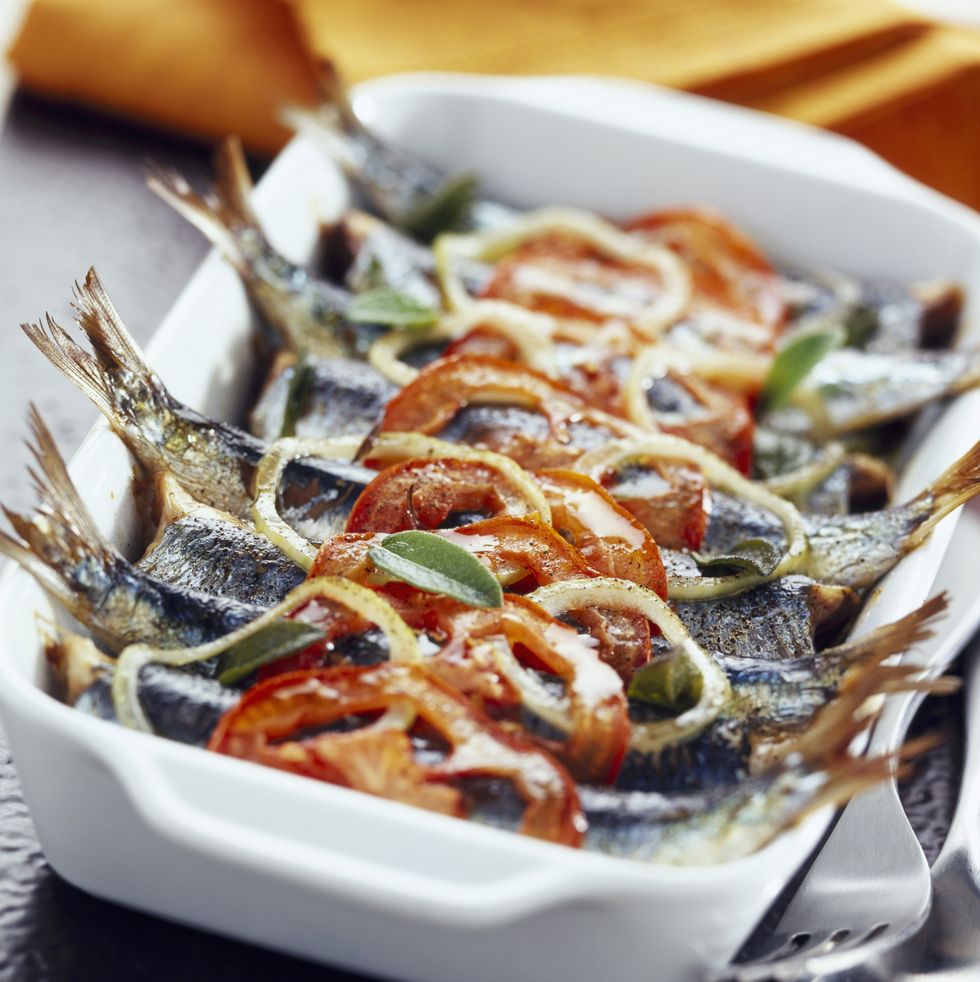
Though sardines are extremely healthy, they have a strong flavor that may not appeal to everyone. These small fish come packed with beneficial nutrients, including tiny, edible bones that offer a great source of calcium, iron, and selenium. “Sardines paired with crackers make for one of my favorite snacks to give a satisfying energy boost,” Agyeman shares. They can also enhance pasta dishes with tomato sauce or be enjoyed with lemon and garlic.
5. HALIBUT
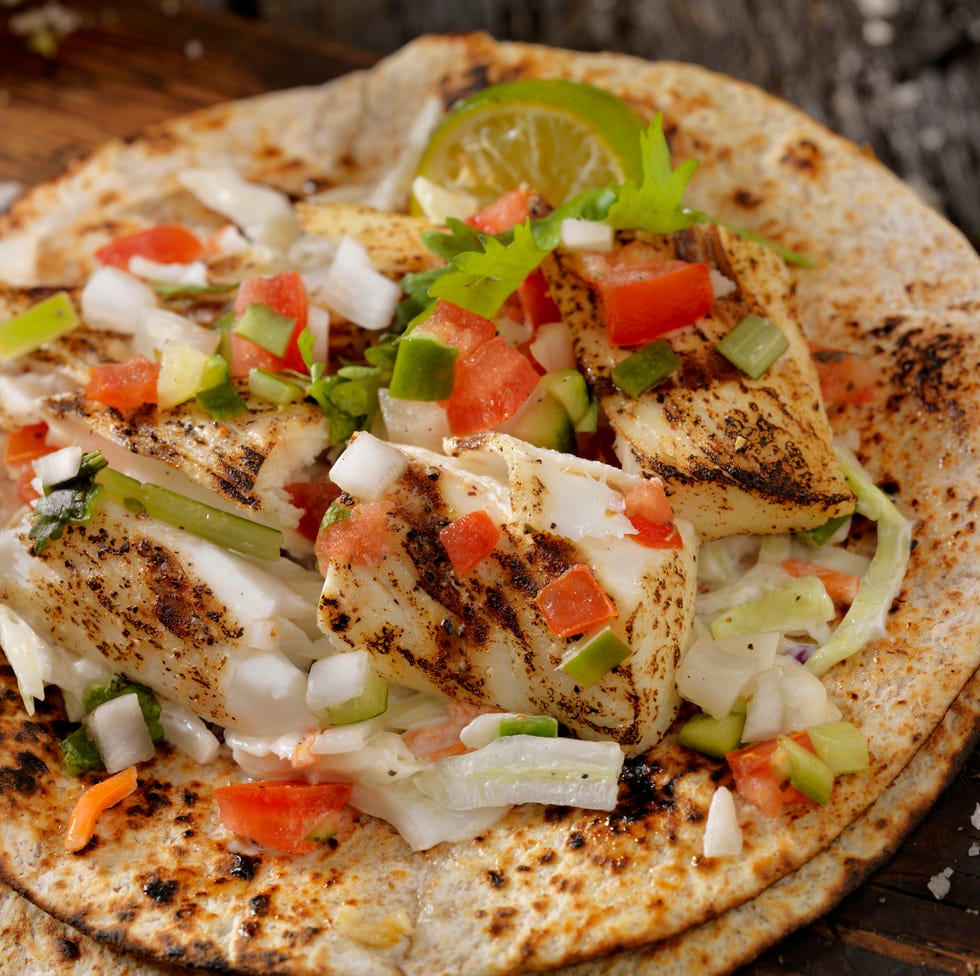
Halibut is a firm, white fish with a delicate flavor that appeals to children and adults alike. It’s a great candidate for grilling or as part of fish sticks. Furthermore, it’s rich in selenium, phosphorus, magnesium, and vitamins B6 and B12.
6. UNAGI (A.K.A. EEL)

Unagi, or eel, is beloved in Japan and is rich in essential nutrients, vitamins, and protein. It boasts a high content of unsaturated fatty acids, including omega-3s that may help lower blood pressure, lower cholesterol, and promote bone health. Derocha adds that vitamin A in unagi can enhance skin elasticity and reduce wrinkles.
7. OYSTERS
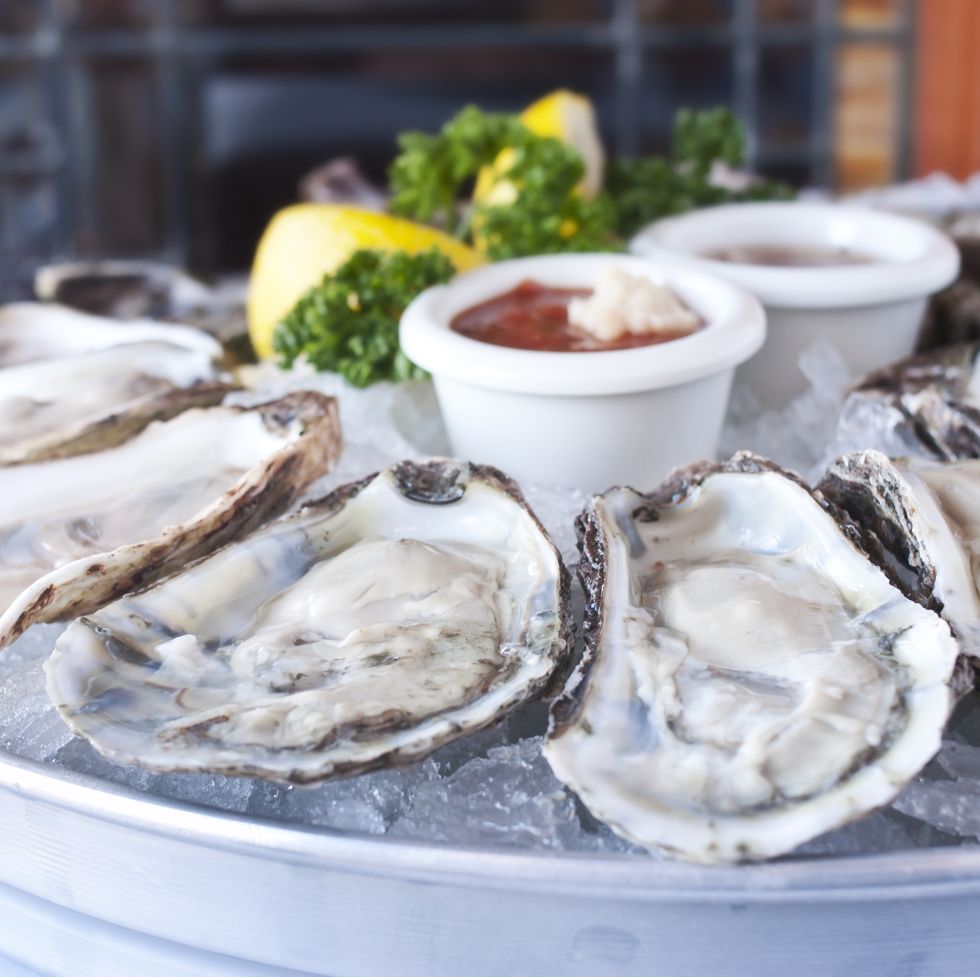
Whether you believe in their aphrodisiac qualities or not, oysters are a treat for many seafood lovers. Rich in zinc, they help support the immune system by warding off colds and viruses, according to Agyeman. Derocha adds that oysters can be cooked as well, and the shells can benefit gardening by providing calcium, enhancing soil pH balance.
8. HERRING
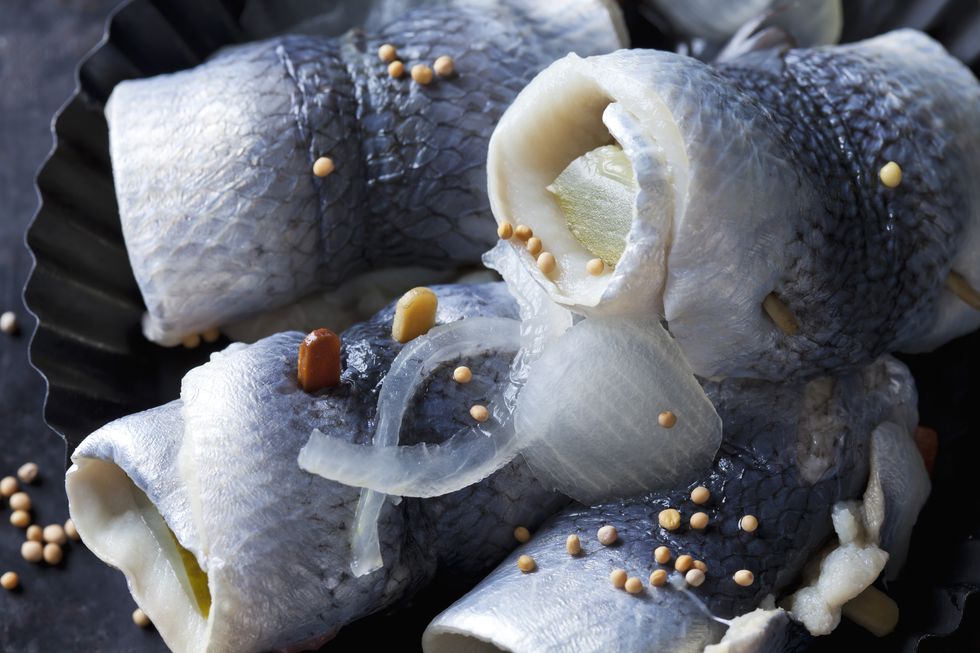
Affordable and rich in omega-3 fatty acids, herring is one of the safest fish options with minimal mercury levels, as stated by Derocha. It is a fantastic source of vitamin D, providing a solution for those who may lack sufficient sunlight exposure.
9. PRAWNS
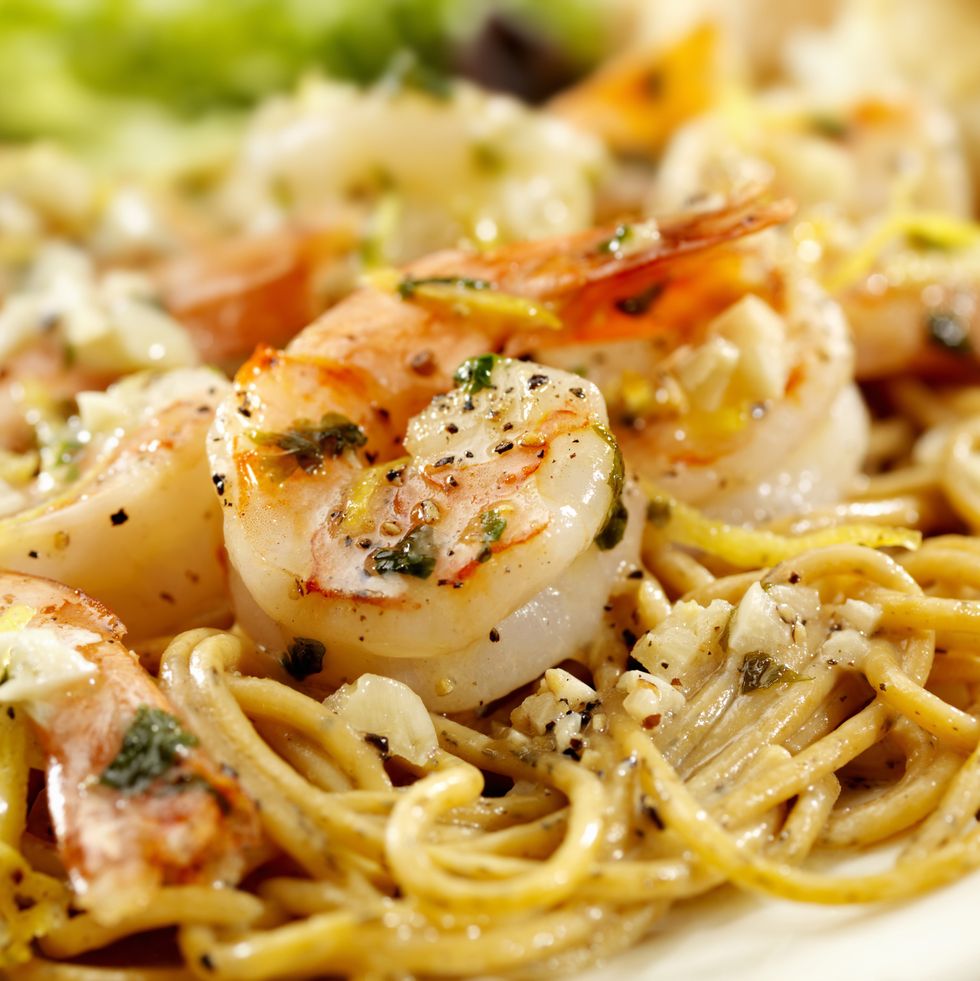
Prawns might not be fish per se, but they’re a delightful addition to any dish. “Rich in protein, prawns have a mild flavor that appeals to various palates, including kids,” Agyeman states. These crustaceans are also an excellent source of iodine and selenium, vital for healthy metabolism and thyroid function. Although they offer lower omega-3 levels compared to other seafood, prawns are low in mercury and calories while being high in protein.
10. SCALLOPS
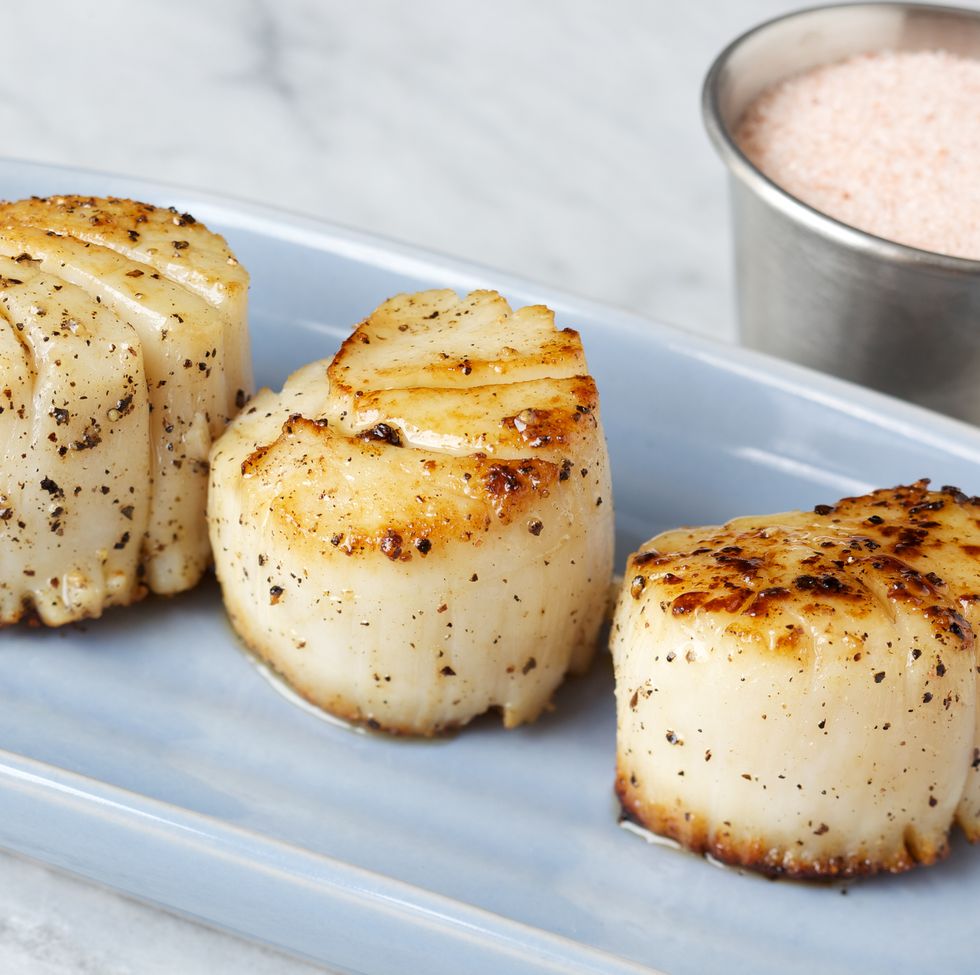
Scallops are celebrated for their delightful texture and mild flavor. Once shucked, they are quick to prepare; just be cautious not to overcook them, as a quick sear in a hot pan is all they need to reach perfection. They’re low in mercury and available in both sustainable wild and farmed options, making them suitable for even the most selective eaters, as noted by Agyeman.
11. CLAMS
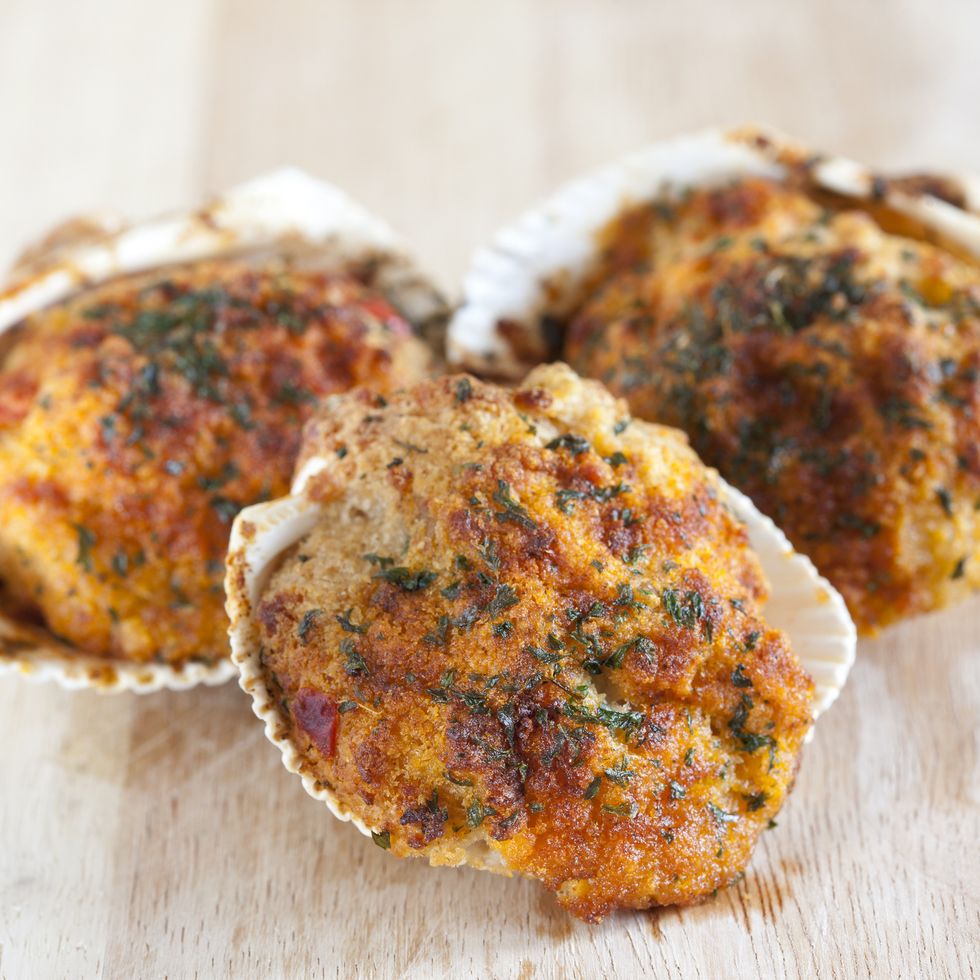
Clams are packed with vitamin B12, crucial for generating healthy blood cells, maintaining nerve health, and supporting brain function, according to Agyeman. Derocha agrees, highlighting clams as a source of proteins that offer essential amino acids—necessary for the body since we can’t produce them ourselves. A serving of clams can meet over 100% of the daily recommended intake of multiple amino acids.
12. CRAB
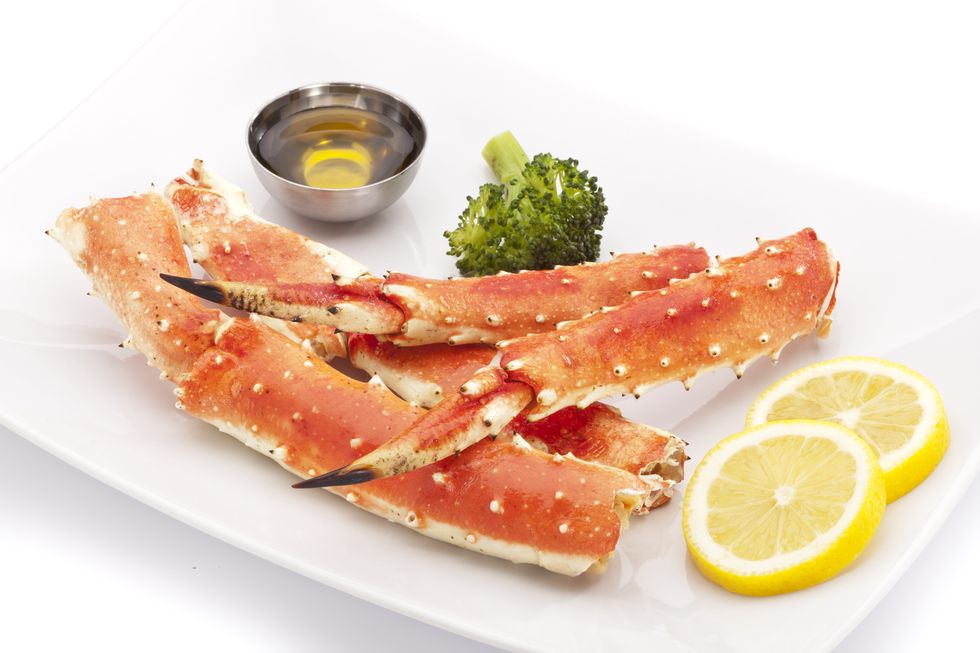
While crab often has a luxurious reputation, it doesn’t have to be reserved for special occasions. Depending on the variety, crab offers 80 to 100 calories per 85g serving, along with 16 to 20 grams of protein and substantial omega-3 fatty acids (350-400mg). Furthermore, crab is considered a sustainable choice.
13. POLLOCK
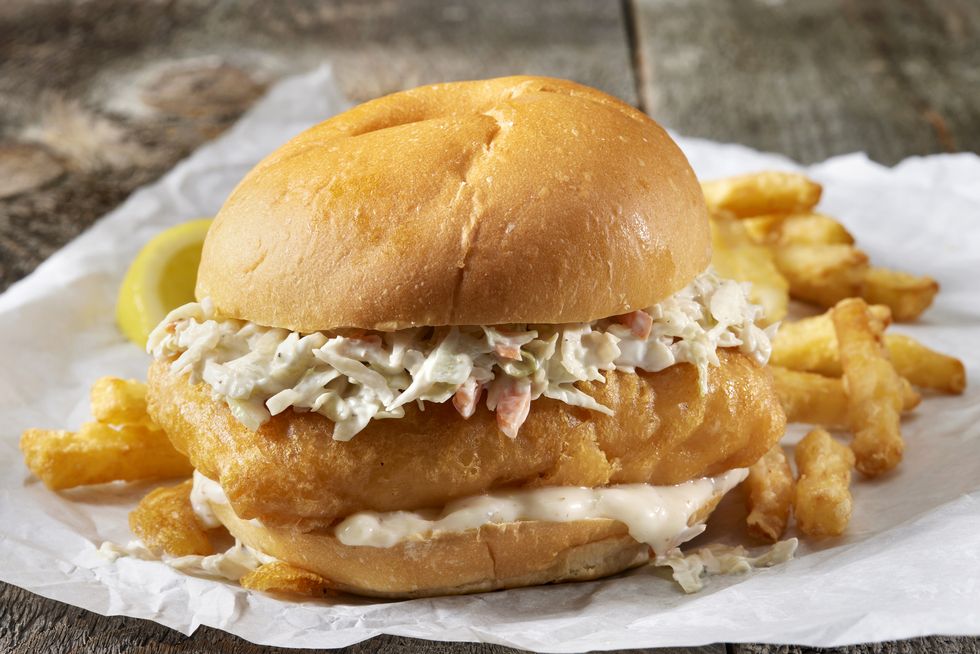
Pollock is primarily fished along the western and southern coastlines of the British Isles. Its mild flavor and light texture make it a popular ingredient in fish sticks and other battered seafood recipes that are favorites with kids. Affordable and adaptable to various marinades and flavors, pollock is rich in omega-3s, providing 50-1,000 milligrams of omega-3 per serving.
Conclusion
Exploring the diverse world of fish can open up a range of culinary experiences and health benefits. From mild and approachable varieties like cod and halibut to more adventurous options like sardines and unagi, there’s something for everyone. Whether you’re a seasoned seafood lover or a hesitant newbie, these fish are not only nutritious but also versatile ingredients that can enrich your meals.


