Expert Insights
- Sally Gunnnell, Olympic gold medallist in the 400m hurdles and founder of the coaching platform Life’s Hurdle
- Sarah Campus, personal trainer and creator of LDN Mums Fitness
- Louise Whitting, Team GB triathlete and triathlon coach
- Lotty Campbell Bird, instructor in yoga, Pilates, and barre
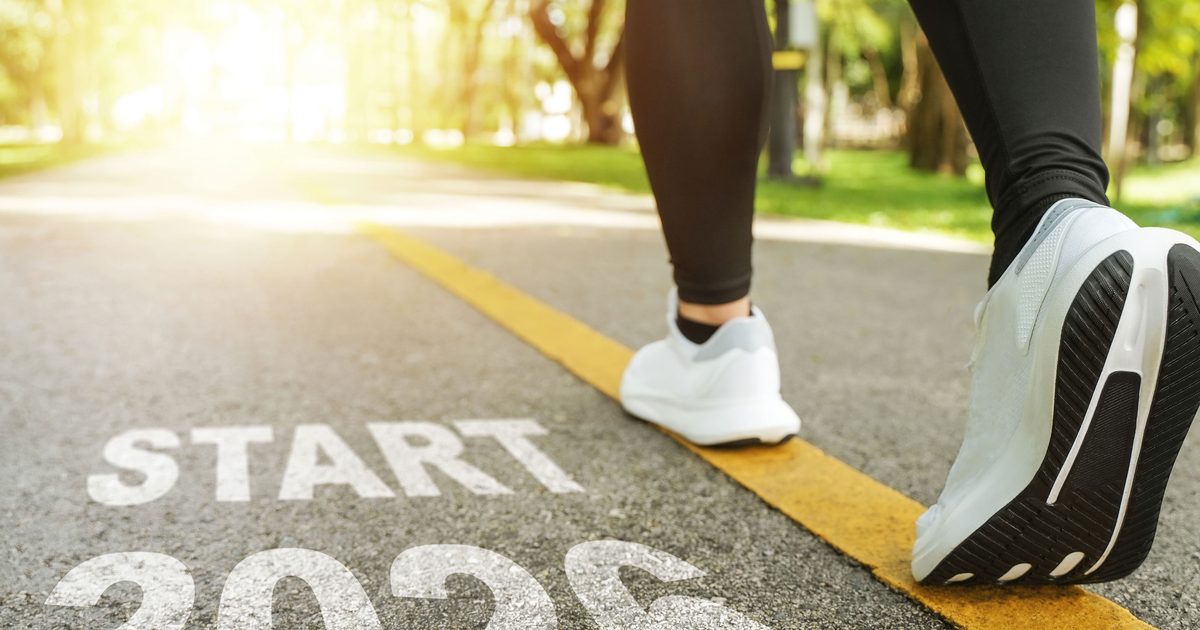
As the New Year approaches, many of us contemplate resolutions, particularly regarding our health and fitness. Are you ready to commit to a healthier lifestyle in 2026?
Getting started with activities like Couch to 5K, yoga, or weightlifting can often feel overwhelming, especially when you’re unsure about the necessary gear. We’ve consulted with experts to guide you on essential items to kickstart your fitness journey.
Running
Running is one of the simplest ways to improve your fitness—just lace up your shoes and go! However, even novice runners may need new footwear. According to Louise Whitting, a Team GB triathlete and triathlon coach, “Running is a high-impact sport, and worn-out shoes can cause injuries like shin splints.”
She recommends having your gait analyzed before purchasing new shoes. “Your running shoes should offer support, comfort, and a proper fit. Expect to invest between £100 and £130 for a decent pair of trainers,” she adds.
A supportive sports bra is crucial, and while casual clothing like tracksuit bottoms and tee shirts may suffice, specialized apparel can enhance both comfort and performance. “I suggest trying different outfits to see what feels best for you; in winter, I opt for a long-sleeved, reflective top, running leggings, and gloves,” says Louise.
For those training for longer distances, a GPS sports watch can help track routes and running times. Louise prefers a Garmin Forerunner, which she found on sale. Additionally, as standard earphones are often prohibited in races, she recommends bone-conducting headphones, like Shokz, that keep runners aware of their surroundings.
Swimming
According to Louise, all you need for swimming laps at your local pool is a comfortable, supportive swimsuit that doesn’t irritate your skin. She also suggests investing in goggles equipped with anti-fog features.
If you’re looking to step up your game, especially for a triathlon, consider purchasing fins, a pull buoy (used between the legs), and swim paddles to enhance your drills and improve your stroke.
Cycling
Embrace the crisp winter air as you explore city streets or rural paths on your bicycle, but don’t forget to dress warmly.
Louise recommends starting with a long-sleeved base layer (avoid cotton as it retains moisture) and adding a long-sleeved cycling jersey on top.
A wind- and water-resistant jacket and gloves from reputable brands like Castelli will help you stay warm and dry. Top off your outfit with thick winter cycling leggings and neoprene shoe covers to protect your feet from the chill.
Wearing a helmet is essential, but it doesn’t have to break the bank. For those serious about cycling, a GPS bike computer can be a valuable tool for mapping routes and tracking performance.
Gym Classes
Ready to dive into fitness classes such as circuit training, boxercise, or body conditioning? You may be wondering about the best attire.
“Leggings and tracksuit bottoms are perfectly fine as long as you can move without restrictions,” explains Sarah Campus. She adds that although old T-shirts work, moisture-wicking tops made from polyester will dry faster than cotton alternatives.
A good pair of shoes is vital. “Opt for general training or cross-trainer shoes designed for various gym activities, including treadmills, classes, and light lifting,” she advises.
Women should invest in a supportive sports bra—it doesn’t have to be expensive. Additionally, don’t forget a water bottle, a small towel, and a lock for the lockers. Headphones and wipes can also be handy.
However, Sarah warns against unnecessary purchases: “For most people, water and a nutritious meal post-workout are sufficient. Forget about protein bars and powders.”
And one last tip: “Steer clear of ab crunch machines—they’re simply not needed!”
Padel
Padel has surged in popularity throughout 2025, and it’s not slowing down. If you’re considering dipping your toes into this Spanish racquet sport, be prepared to spend a bit.
Yoga
Yoga continues to be a popular choice for those looking to improve flexibility, strength, and balance, even for those who may typically shy away from exercise.
Lotty Campbell Bird, a teacher in yoga, Pilates, and barre, recommends starting with a good-quality mat, which typically ranges from £30 to £40. “A mat with excellent grip will enhance your practice; cheaper options might be slippery, so search for one that emphasizes stability—cork mats are particularly good,” she adds.
Consider adding a yoga block and strap to your arsenal, as they can be very helpful in your practice. When it comes to attire, “tracksuit bottoms or pajamas can work at home,” Lotty notes. However, if you’re purchasing leggings, opt for ones without zips, seams, or pockets that may become uncomfortable. Her favorites are Lululemon Align leggings and a Sweaty Betty Stamina sports bra for medium support.
Pilates
While you can sometimes use your yoga mat for Pilates, dedicated Pilates mats are typically thicker and more cushioned to provide greater support for your spine.
Lotty recommends acquiring a Pilates ball (£7.99), resistance bands (starting at £7), and light weights, such as 1kg or 2kg dumbbells. For those trying reformer Pilates, grip socks can provide invaluable stability for your feet during movements.
Strength Training
Building strength doesn’t have to be complicated or costly. According to Olympic gold medallist Sally Gunnell, who founded the coaching platform Life’s Hurdle, “Just 10 minutes of activity each day can lay a solid foundation, whether it’s performing squats or assisted push-ups using your sofa.”
“You don’t need specialized clothing, but smooth, flat shoes or barefoot options tend to work best for effective strength training. I often remove my shoes when doing squats or balance exercises for greater stability,” she explains.
When you’re ready to advance, consider investing in a light set of weights, ideally including 2kg, 4kg, and 6kg options. For those training at home, following an online program can help minimize injury risks. “Accountability is key—I still have a coach to help keep me motivated,” Sally suggests. “If I start overthinking my workout, I can easily talk myself out of it.”
The right gym gear can also boost your confidence. “I prefer to lay out my workout clothes the night before, so I don’t have to think twice about it in the morning. Plus, it’s crucial to stay hydrated—never underestimate the importance of your water bottle,” she emphasizes.
Her most regrettable fitness purchase? “I’ve owned fancy watches, but I never run with glasses on, so they were entirely useless!”
Discover More…
How to Start Exercising
How to Winter-Proof Your Workout
Best Fitness Trackers for Exercise Lovers
What is the Healthiest Exercise?
This health content is provided for general informational purposes and should not replace professional medical advice. Please consult your healthcare provider for any concerns regarding your health. For more information, refer to our terms and conditions.