
In a recent study on the tea consumption habits of Hong Kong youth, researchers from the Asia-Pacific Institute of Ageing Studies at Lingnan University uncovered significant insights into the appreciation of Chinese tea culture. The findings revealed a strong inclination towards traditional tea, with many young people also indulging in flavored varieties. This raises important questions about the role of parents and educational institutions in preserving this cultural heritage.
Regular Tea Consumption
Between March and July 2025, researchers distributed a questionnaire to 488 Hong Kong residents aged 12 to 39 to assess their knowledge and consumption patterns regarding Chinese tea and related beverages. Remarkably, more than three-quarters (76.2%) of participants reported drinking Chinese tea regularly, with 33.8% consuming it one to four times a month. While this was a higher proportion than those who drink coffee (25%), it was still lower than other beverages. Moreover, 53.4% of respondents reported consuming specialty drinks like bubble tea and fruit tea on similar occasions.
Frequency of Tea Consumption
The study found that 25.4% of respondents drank Chinese tea 11 or more times a month, marking it as the highest frequency among all beverage categories. This frequency exceeded that of coffee (17.5%), bottled juices (17.5%), soft drinks (14%), specialty drinks (10.8%), and freshly squeezed juice (6.3%), suggesting that some young people have established a consistent habit of drinking tea regularly (Figure 1).
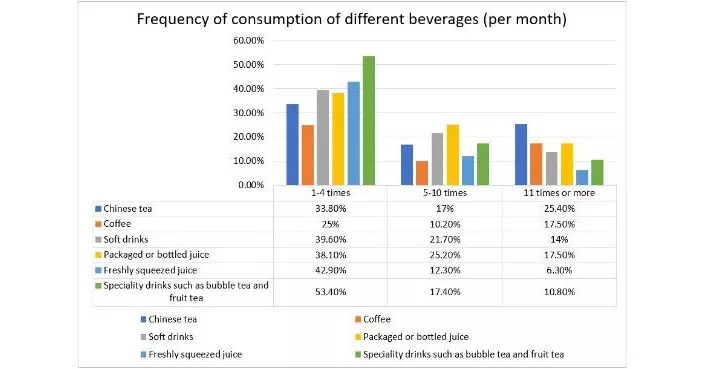
Figure 1: The largest proportion of young respondents reported drinking Chinese tea one to four times a month (33.8%).
Preferences in Tea Types
When queried about their preferences, 65% of young respondents favored pu-erh tea, followed by tieguanyin (49%) and jasmine tea (31%). Interestingly, nearly half of the participants (49%) reported consuming flavored teas that contain sugar, floral flavors, or milk regularly (Figure 2), indicating a blending of traditional and modern tea experiences among younger consumers.
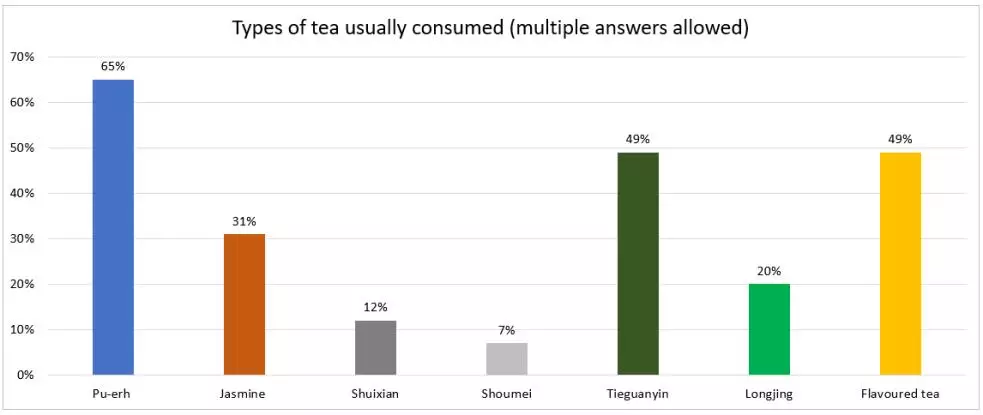
Figure 2: Nearly half the respondents (49%) drink flavoured tea containing sugar, floral flavours or milk regularly.
Influences on Tea Choices
Among the factors influencing tea preferences, 39.7% of respondents reported that their parents had a strong or significant impact on their choices. In contrast, friends (11.4%) and social media (11%) wielded much less influence (Figure 3). This demonstrates the essential role families play in transmitting Chinese tea culture to younger generations.
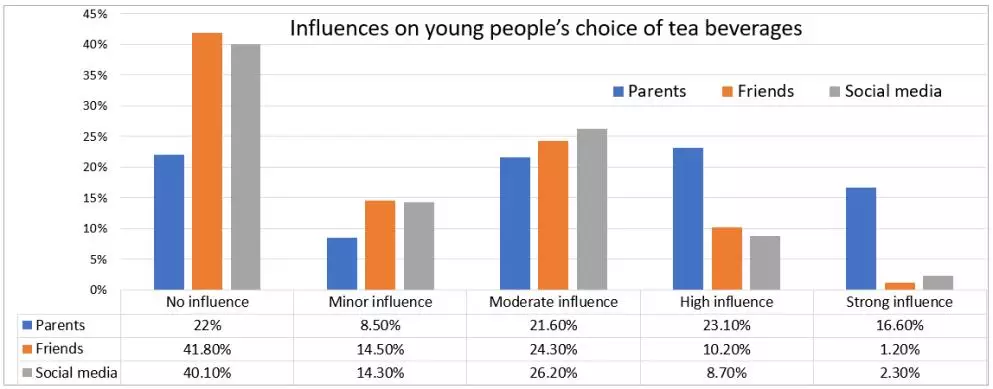
Figure 3: 39.7 per cent of young respondents said that their choice of tea was influenced to a “high” or “strong degree” by their parents.
Reasons for Tea Preference
Respondents identified several key reasons for their tea preferences, citing “aroma” (55%) and “taste” (50%) as the most significant factors. Additionally, 47% mentioned “family customs” as a reason for their choice, outpacing those who associated tea with “health benefits” (37%), “cultural identity” (19%), or “emotional stability” (17%) (Figure 4).
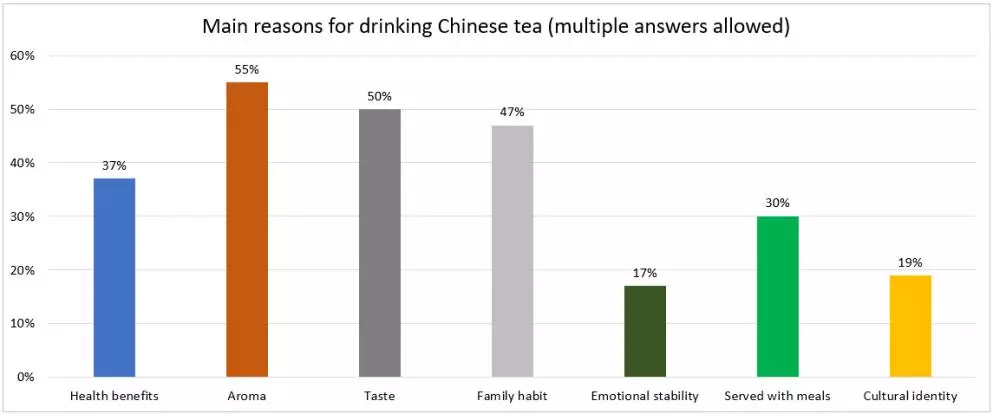
Figure 4: When asked why they drink tea, respondents usually said “aroma” (55%) or “taste” (50%).
Knowledge of Tea’s Health Benefits
Despite their tea consumption, many young people lack an understanding of its health benefits. Over one-third (34.1%) indicated they were unaware of these benefits, and approximately 44.2% confessed to having limited knowledge of tea brewing methods. Nevertheless, about 68.1% expressed a moderate to strong interest in learning about tea arts, demonstrating a willingness to enhance their understanding.
Cultural Significance and Recommendations
Prof. Dickson Chan Chak-Kwan, Research Professor and Director of the Asia-Pacific Institute of Ageing Studies, emphasized the importance of promoting traditional Chinese tea culture. He noted that while initiatives in the Chinese Mainland encourage tea culture education among youth, the Hong Kong SAR exhibits gaps in understanding both the health benefits and brewing techniques of tea. He advocated for parental involvement in educating children about tea, suggesting primary and secondary schools along with cultural organizations implement activities that foster intergenerational learning about this rich heritage.

Lingnan study finds more young people drink tea than soft drinks regularly. Generated picture.
Key Takeaways
- 76.2% of young respondents drink Chinese tea regularly.
- 25.4% drink tea 11 or more times a month.
- Pu-erh tea is the most preferred type among young drinkers.
- Parents significantly influence tea choices for 39.7% of respondents.
- Many young tea drinkers are unaware of the health benefits of tea.
- There is a strong interest (68.1%) in learning more about tea arts.
FAQ
What percentage of young respondents drink Chinese tea regularly?
Over 76% of the surveyed young individuals drink Chinese tea regularly.
Which type of tea do young people prefer most?
Puerh tea is the most favored type, reported by 65% of respondents.
Do young drinkers know about the health benefits of tea?
More than one-third of respondents indicated they had limited knowledge of tea’s health benefits.
How do parents influence tea choices among youth?
Approximately 39.7% of young tea drinkers cited parents as a significant influence on their tea preferences.
In conclusion, the study highlights both a thriving interest in Chinese tea among young people and gaps in their knowledge of its cultural and health aspects. Engaging families and educational institutions can play a crucial role in preserving this rich heritage and ensuring its continued appreciation in future generations.