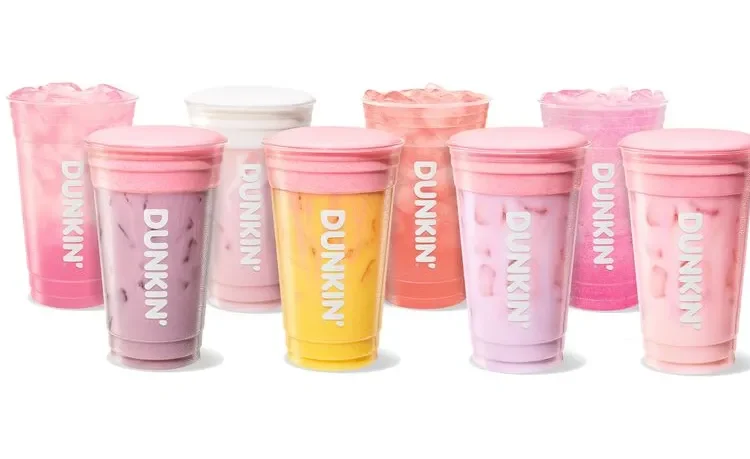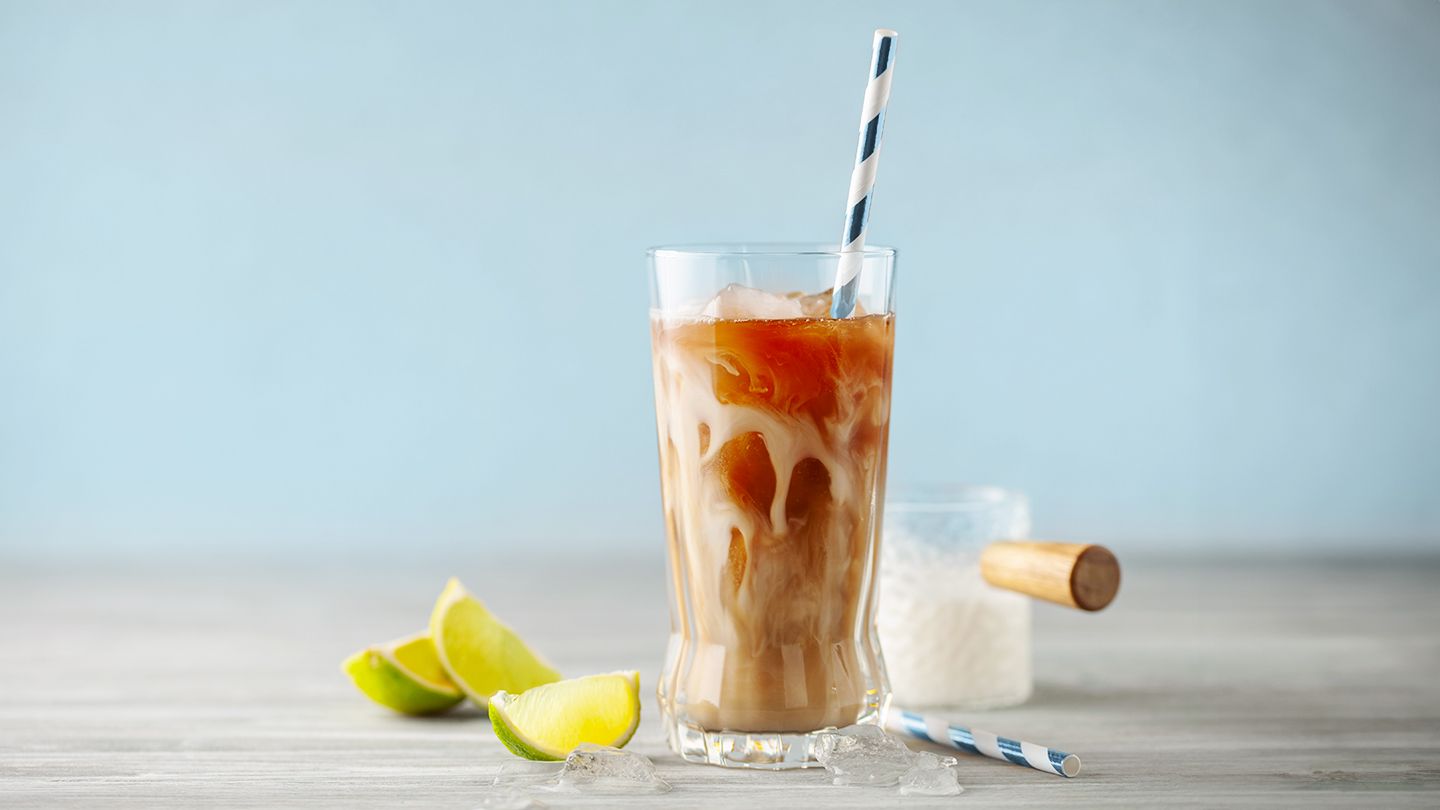
In recent years, dirty sodas have gained popularity for their colorful and festive appeal, especially as alternatives for those looking to limit or avoid alcohol. Yet, while they may be visually enticing, their nutritional profile raises concerns. Here’s a closer look at the potential benefits and risks of indulging in these sugary concoctions.
Understanding Dirty Sodas
“It’s clear to see how dirty soda has emerged as a trend, but it doesn’t necessarily make sense from a nutrition and health perspective,” says Nicola Gillies, PhD, a registered dietitian and lecturer at the University of Auckland in New Zealand.
There’s one potential upside to a dirty soda, Dr. Gillies says: It is indeed a festive option for people trying to avoid or limit alcohol, whether they’re doing it for religious or health reasons.
Among many other benefits, drinking less alcohol (or none at all) can improve how you feel and make decisions, support better relationships with those around you, and reduce your risk of health problems, including cancer, heart disease, liver disease, and mental health or memory issues.
“We know that reducing alcohol intake can have benefits for so many different aspects of our health,” Gillies says. “Avoiding or reducing alcohol can be challenging in social situations, though, and dirty sodas are a fun, appealing option that can help to fill this gap.”
The Risks of Dirty Sodas
However, dirty sodas come with several health risks, particularly if consumed frequently, notes Connie Diekman, RD, a registered dietitian and former president of the Academy of Nutrition and Dietetics.
“In terms of health, they aren’t one of the better choices,” Diekman asserts. “Many can be high in calories, added sugars, and fat — calories without a lot of nutritional value.”
The sugar content in dirty sodas can escalate quickly. For example, just one 12-ounce (oz) serving of Dr Pepper or Mountain Dew can contain more sugar (39 and 46 grams, respectively) than the daily recommended limit, according to Gillies.
Furthermore, adding flavored syrups to sodas only increases the sugar and calorie content without offering any nutritional benefits, Gillies explains.
And there’s the concern of fat content. “Dirty sodas can also be relatively high in saturated fat, especially if they contain coconut cream or heavy cream,” Gillies points out. “The sugar and fat content mean that dirty sodas are energy dense, but they lack beneficial or protective nutrients — they’re what we would call empty energy.”
Consuming large amounts of these empty calories can lead to various health problems over time, especially when they become a regular part of one’s diet. “This can increase the risk of weight gain and longer-term conditions like diabetes and heart disease, particularly if not balanced with other nutrient-dense foods,” Gillies cautions. “The risks really depend on the type of dirty soda, how much people are drinking, and what their overall diet looks like.”
Key Takeaways
- Dirty sodas can serve as festive non-alcoholic options for social gatherings.
- Reducing alcohol intake can provide numerous health benefits.
- Dirty sodas are often high in sugar and calories, lacking nutritional value.
- Frequent consumption may lead to health issues, including weight gain and chronic diseases.
- The risks associated with dirty sodas depend on individual consumption habits.
FAQ
What are dirty sodas?
Dirty sodas are beverages typically made with soda, flavored syrups, and additional ingredients, such as creams, that contribute to their unique flavors.
Are dirty sodas a healthy alternative to alcoholic drinks?
While they may serve as a festive option for those avoiding alcohol, dirty sodas can be high in sugars and calories, making them less than ideal from a nutritional standpoint.
How much sugar is in a typical dirty soda?
Depending on the type, a 12-ounce serving of a dirty soda can contain as much sugar as or more than the recommended daily limit.
Can drinking dirty sodas lead to health problems?
Regular consumption may contribute to weight gain and increase the risk of chronic conditions such as diabetes and heart disease.
In conclusion, while dirty sodas may provide a fun alternative to traditional beverages, it’s important to be mindful of their sugar and calorie content. Balancing them with healthier options and being aware of overall dietary habits can help mitigate potential risks.