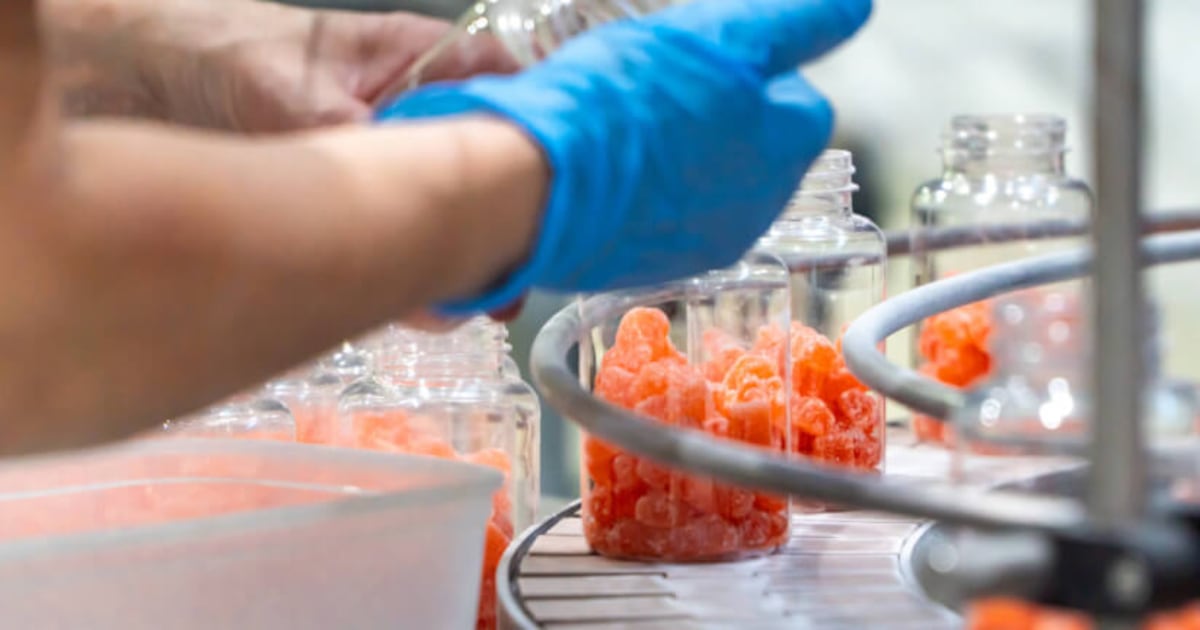
Siobhan Taylor, a national authority on dietary supplements at the U.S. Food and Drug Administration (FDA), highlighted the complexities of manufacturing gummy supplements during her recent address at the East Coast SoCal Dietary Consortium event in Rockville, MD. This consortium serves as a forum for professionals involved in regulatory, quality, and compliance aspects of the dietary supplement sector.
“You must consider every step of the process,” Taylor emphasized. “What you include on the label is what the FDA will hold you accountable for, as it represents your promise to the consumer.”
The popularity of gummy supplements has surged in recent years, with consumers showing a growing preference for this format. According to DataM Intelligence, the market for gummy supplements was estimated at over $24 billion in 2023, with expectations to nearly reach $67 billion by 2031.
As companies continue to introduce more gummy options, the likelihood of contamination incidents may rise. Taylor compared gummies to ready-to-eat salad mixes.
“Consumers will not cook or heat a gummy; they will consume it straight from the bottle,” she stated. “Thus, we must consider environmental factors that might pose risks of contamination.”
Concerns About Starch
One major concern for the FDA regarding gummy production is the prolonged use of starch as a mold. While powdered starch is essential for shaping gummies, some manufacturers may be using their molds beyond the recommended lifespan.
Furthermore, companies must monitor the moisture content of starch closely to prevent mold growth, which may necessitate testing moisture levels before production begins.
Taylor also stressed the importance of monitoring for allergen contamination.
“If you handle allergenic ingredients, how are you ensuring that your starch is free from cross-contamination?” she asked. “Allergens are a significant concern for the FDA. Your starch may interact with various products, so you need to be cautious.”
Sugar and Risk of Contamination
Taylor indicated that foods with low water activity, including gummies, chocolates, and marshmallows, have increasingly been associated with outbreaks of foodborne illnesses, particularly those high in sugar.
While gummy manufacturers can regulate the sugar content of their products, other factors also require careful monitoring.
“That’s not the only consideration,” Taylor noted. “You need to examine water activity, moisture levels, pH, and formulation as part of a cohesive narrative. Maintaining a clean production environment is crucial in reducing the risk of microbial contamination. Evaluate your sanitation protocols. Have you implemented environmental monitoring?”
Additional Sources of Contamination
Manufacturers of gummy supplements must also be aware of various other contamination sources during production, such as wood, plastic, rodent hair, human hair, fiberglass from ceilings, and even particles from blue hairnets worn by staff. The deterioration of ingredients due to heat was also noted as a concern.
Damage to Teflon coatings, like scratches, can impact gummy batches as well. This damage may occur during production or when molds are improperly stored during periods of inactivity.
Taylor further pointed out that ceiling fans in production facilities could harbor dust and debris.
“How often are these fans cleaned? What material is being pulled into the gummies from the fan?” she inquired. “How do you manage airflow in your drying and curing areas to mitigate these risks?”
Throughout her presentation, she emphasized the importance of being vigilant during the manufacturing process, indicating that even the smallest detail could have significant implications.
In summary, the increasing popularity of gummy supplements brings with it a range of manufacturing challenges that must be navigated carefully. Regulatory oversight and meticulous attention to detail are crucial to ensure consumer safety and maintain product integrity.


