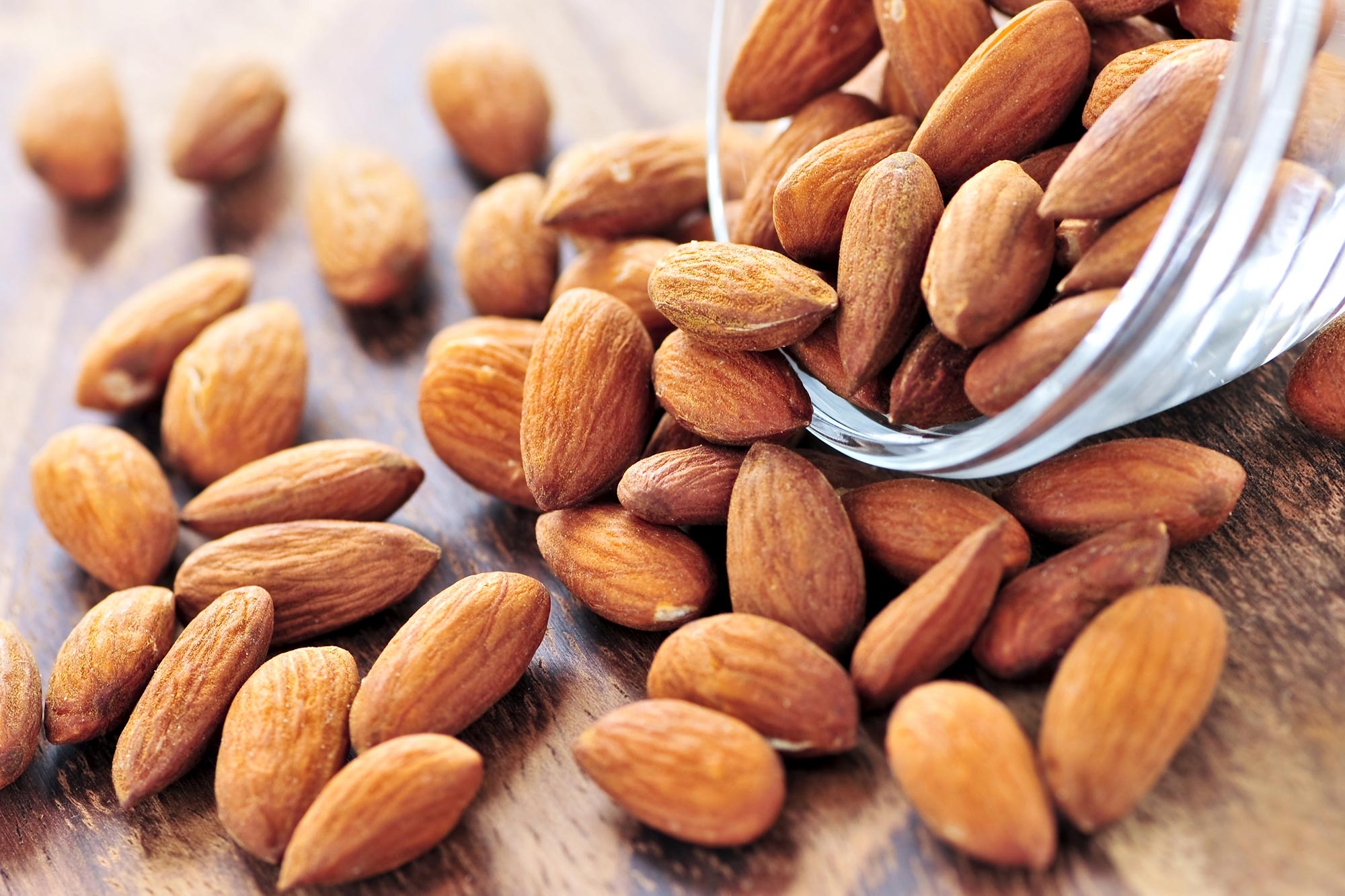
A recent feeding study has revealed that incorporating a daily portion of almonds in place of typical processed snacks could significantly enhance nutritional quality.
Swapping out customary Western snacks for an average daily serving of almonds may lead to an improved gut microbiome, decreased inflammatory markers, and an increase in hormones associated with feelings of fullness. This was the key finding of a controlled feeding study focused on adults with overweight or obesity.
The research involved 15 participants who completed two separate four-week dietary periods. During one phase, they adhered to a diet consistent with typical American eating habits, including calorie-adjusted snacks such as refined grains, butter, and cheese. In the other phase, they consumed a similar diet enriched with approximately 42.5 grams (or about 1.5 ounces) of almonds each day.
This design allowed researchers to assess the influence of snack quality without increasing overall caloric intake.
Almonds and the Gut Microbiome
The study revealed that snacking on almonds led to an increase in Faecalibacterium prausnitzii, a beneficial gut bacterium recognized for its role in producing butyrate, a vital compound for colon health and inflammation reduction. In contrast, several less favorable gut bacteria decreased during the almond-wrapped diet.
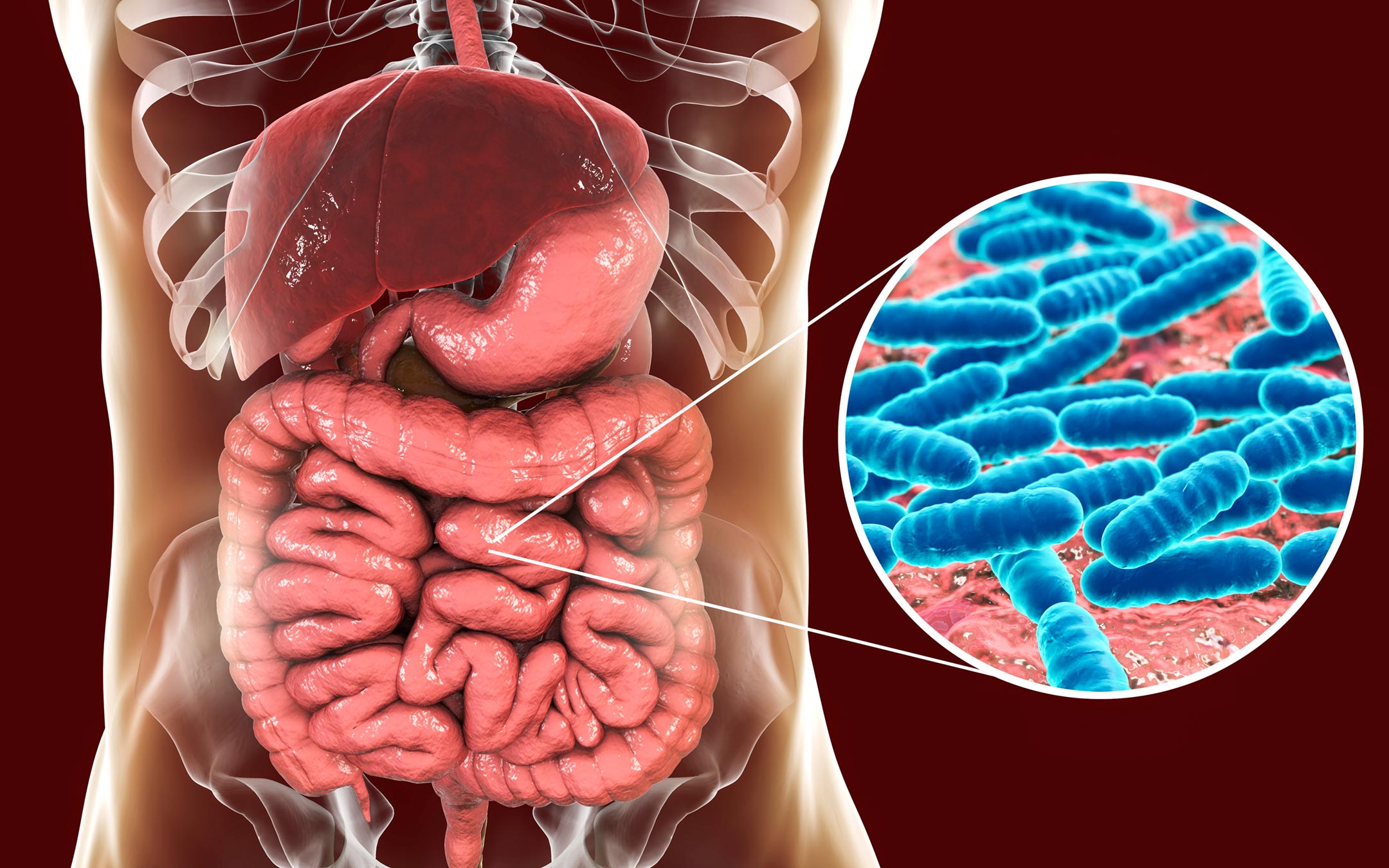
While the overall diversity of gut bacteria remained largely unchanged, it appears that there was a more nuanced transformation in the gut ecosystem where certain beneficial species flourished.
Analysis of stool samples showed shifts in chemical composition, with almond intake resulting in elevated levels of plant-based sugars like xylose and arabinose, derived from almond cell walls. These sugars serve as fuel for gut microbes. Additionally, several amino acids were less prevalent in stools, suggesting that gut bacteria were utilizing them more efficiently.
Metabolic and Inflammatory Changes
Blood analysis unveiled significant findings: levels of 3-hydroxybutyrate—an important ketone produced during fat metabolism—rose after almond consumption. The researchers referred to this as a mild “ketosis-like” effect, though it didn’t equate to the metabolic state achieved by a strict ketogenic diet.
Changes were also observed in inflammation markers; several immune signals, including TNF-α and IL-1β, showed a reduction following the almond diet. Although the modifications to immune responses were not entirely consistent, the overall trend indicated that almonds might play a role in decreasing inflammatory responses associated with excess weight and metabolic strain.
The study also highlighted variations in appetite-regulating hormones. Following the almond snack phase, levels of GLP-1, which is crucial for blood sugar regulation and feelings of fullness, increased compared to the typical American diet. Another hormone, Peptide YY, related to satiety, also rose.

Study Limitations and Broader Implications
While the study provides valuable insights, it has notable limitations. The sample size of 15 participants and the four-week duration for each diet phase mean that further research with larger, more diverse populations over extended periods is vital to validate these findings.
Moreover, the results should not be interpreted as an endorsement for unrestricted almond consumption within an already high-calorie diet. Although nuts are nutrient-rich, they are also calorie-dense.
For those seeking a straightforward improvement to their snacking habits, this study indicates that incorporating a daily handful of almonds may beneficially influence the gut, immune system, metabolism, and appetite regulation concurrently.
Reference: “Almond snacking modulates gut microbiome and metabolome in association with improved cardiometabolic and inflammatory markers” by Gwoncheol Park, Katelyn Johnson, Katelyn Miller, Saurabh Kadyan, Saiful Singar, Cole Patoine, Fuhua Hao, Yujin Lee, Andrew D. Patterson, Bahram Arjmandi, Penny M. Kris-Etherton, Claire E. Berryman and Ravinder Nagpal, 20 March 2025, npj Science of Food.
DOI: 10.1038/s41538-025-00403-0
The research was supported by funding from the Almond Board of California (ABC; ECP-Nagpal-NR-001) to RN. The findings in this publication have not been formally disseminated by the funders and should not be construed to represent any agency determination or policy.
Stay informed about the latest breakthroughs: Join the SciTechDaily newsletter.
Follow us on Google and Google News.


