In the ongoing conflict involving Gaza, the United Nations has become a central stage, especially in the recent back-and-forth discussions surrounding a proposed resolution. John Helmer outlines the troubling dynamics of how this resolution, perceived by many as an inadequate response to the US-Israel control over Gaza, continues to constitute a point of contention. As we await a genuine ceasefire, the establishment of a “Board of Peace” appears to be jumping the gun, reminiscent of Trump’s tendency to market empty promises.
Among anti-globalist circles, there’s a palpable discontent regarding Russia and China not vetoing the UN draft. Given the support of various Arab nations for the resolution, both Russia and China likely deemed it impractical to object, knowing it would proceed regardless.
Another notable aspect of Trump’s recent maneuvers is his attempt to reignite discussions about Ukraine. In previous dialogues, as Lavrov detailed, Witkoff presented terms to Putin that largely acknowledged Russia’s longstanding demands for an end to the hostilities. Putin expressed willingness to convene in Alaska to discuss these points, affirming that Trump was on board. However, shortly thereafter, Trump backtracked, stating he needed to ensure Ukraine and the Europeans were aligned with the proposal, which might explain the abrupt end to the Alaskan meeting.
Following his meeting with Zelensky, Trump notably reversed his position, retracting his commitment to Putin and advocating instead for a ceasefire, a request that Russia has consistently dismissed unless it accompanies a comprehensive peace agreement.
Now, Axios reports that Trump’s team is once again engaging with Ukraine about a potential peace agreement, as though significant shifts in Ukraine’s position have occurred. Given the realities on the battlefield, changes might be warranted. However, the leadership in Ukraine remains surrounded by staunch ultranationalists, who risk Russian war trials. This renewed push for dialogue seems to reflect either another instance of Trump selling empty promises or an attempt to ascribe the failures of negotiations to Russia.
Even if Ukraine has adopted a somewhat more pragmatic outlook, European nations have worked themselves into a frenzy over Russia, making any realistic approach unlikely.
By John Helmer, the longest-serving foreign correspondent in Russia, and the only Western journalist to independently operate a bureau. Helmer has also served as a political science professor and advisor to government leaders in Greece, the U.S., and Asia, and was the first member of a U.S. presidential administration (Jimmy Carter) to establish residency in Russia. Originally published at Dances with Bears

The current state of President Donald Trump’s cognitive abilities is under scrutiny, especially regarding his recent physical evaluations.
“Question: Mr. President, could you tell us why you needed to get an MRI? I understand the results were good, but why did you need it?”
Donald Trump: “Because it’s part of my physical. Getting an MRI is standard. Shouldn’t I have one? I had an MRI and the doctor said it was the best result I’ve seen in my career. It’s part of my routine, every two years.”
Question: Is it your brain or…?
Donald Trump: “I don’t know what they analyzed, but whatever they did, they did well. They said the results were outstanding. I also took a very advanced mental acuity test, and I aced it with a perfect score. Unlike Biden and others, it’s a subject I excel in.”
Now consider the extensive activities Trump has pursued, moving from military strategies against Russia in Ukraine to recent discussions surrounding Gaza peace terms in the United Nations Security Council. For more insights, listen to the new podcast featuring Nima Alkhorshid.
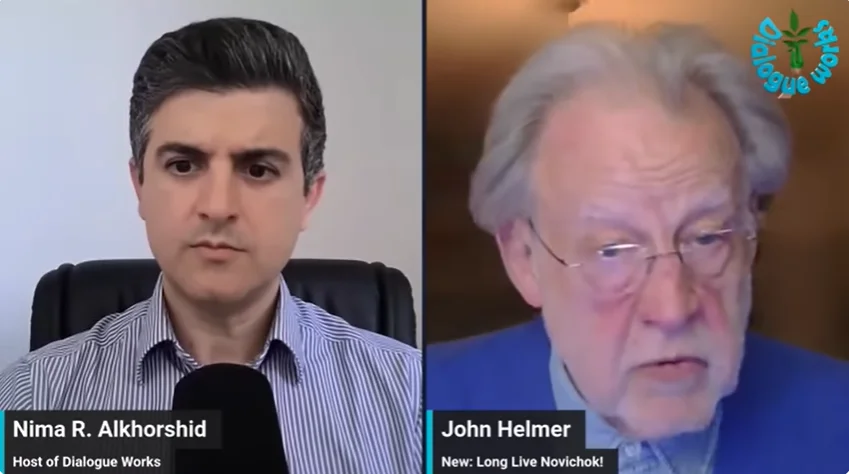
Source: https://www.youtube.com/watch?v=00R49QiRYEQ
The supporting evidence includes:
- Current anti-corruption efforts in Kiev. For documentation, refer to Events in Ukraine, by Peter Korotaev.
- Potential military candidates aimed at replacing Zelensky’s regime involve CIA and MI6 candidates alongside independent neo-Nazis; read more.
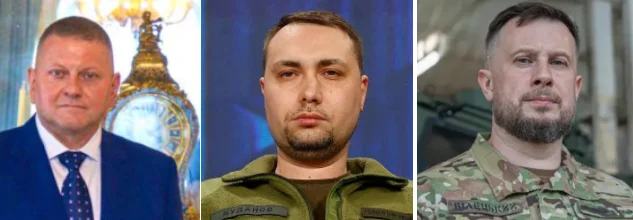
Left to right: Valery Zaluzhny, Kirill Budanov, Andrei Biletsky. Korotaev's analysis outlines the clashing factions within the military, stating, “Zaluzhny, the former commander-in-chief, has strong ties to liberal opposition and Western financial backers, while actual nationalists disdain him due to his escape from military service. Meanwhile, Biletsky and Budanov represent alternative power centers based on their close ties with nationalist units.”
- Trump’s shift from military confrontation to negotiations regarding Venezuela.
Question: About Venezuela, what are your upcoming actions?
Donald Trump: “I haven’t decided yet, but considerable progress has been made regarding drug trafficking, particularly from Colombia. Our efforts have significantly slowed the influx of drugs, as you can imagine.”
Question: Does the designation of that cartel allow the U.S. to target assets in Venezuela?
Donald Trump: “Yes, it does allow, though we haven’t made any announcements yet. We might be discussing options with Maduro.”
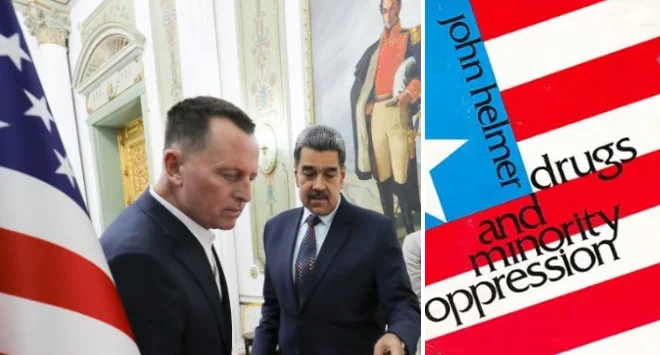
Left: Richard Grenell, Trump's negotiator with Venezuelan President Nicolas Maduro in January 2025. Right: A history of U.S. "drug wars" and their underlying economic motivations. To delve deeper into Trump's dual strategy towards Venezuela, encompassing negotiations and covert maneuvers, explore this report.
- The coalition of wealthy benefactors, not the “brain-dead” alliance against Russia.
ONE-YEAR SHARE PRICE TRAJECTORIES FOR RHEINMETALL AND OTHER GERMAN ARMS MANUFACTURERS
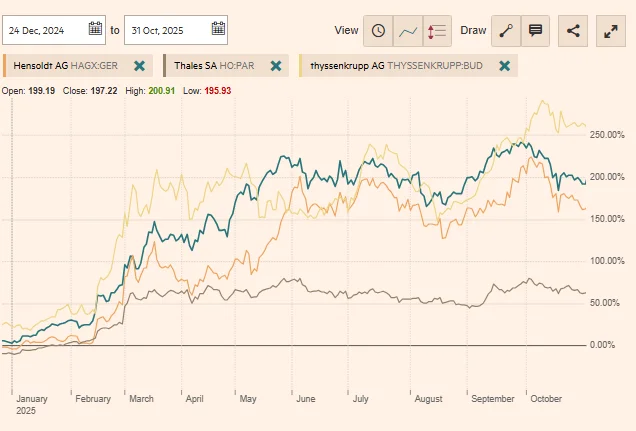
Source: https://markets.ft.com/data/equities/tearsheet/charts?s=RHMX:GER This report highlights treasury payout practices among leading U.S. defense contractors, revealing that shareholder returns are often supported by loans based on anticipated increases in military spending to continue the engagement in Ukraine against Russia. Currently, Rheinmetall operates differently, given the surging value of its shares, making stock buybacks unnecessary.
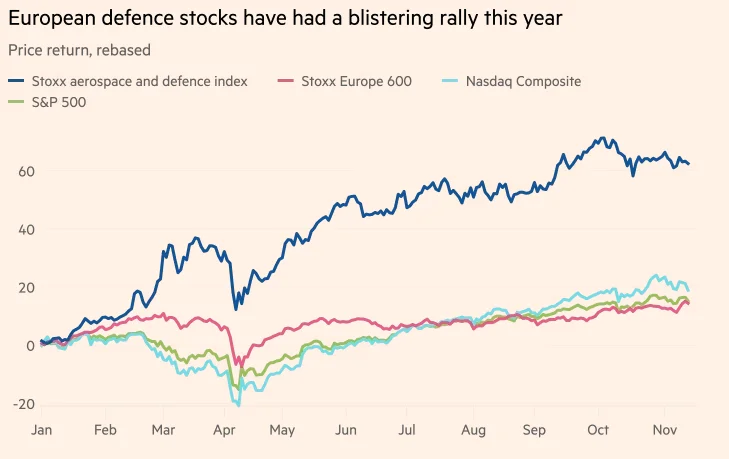
“The Stoxx Europe aerospace and defense index has tripled since Russia’s invasion of Ukraine in 2022, with a significant portion of that growth occurring in 2025. The index has surpassed both the S&P 500 and the Nasdaq Composite since the year began.” -- https://www.ft.com/content/6d7a441c-1b27-42d9-b91b-6d05f1a9f4d3
- The rivalry between Russia and the U.S. in the context of United Nations discussions regarding Trump’s Gaza Board of Peace (BOP) and the related Resolution 2803 (2025), alongside debates in the General Assembly on Russia’s anti-Nazism initiative.
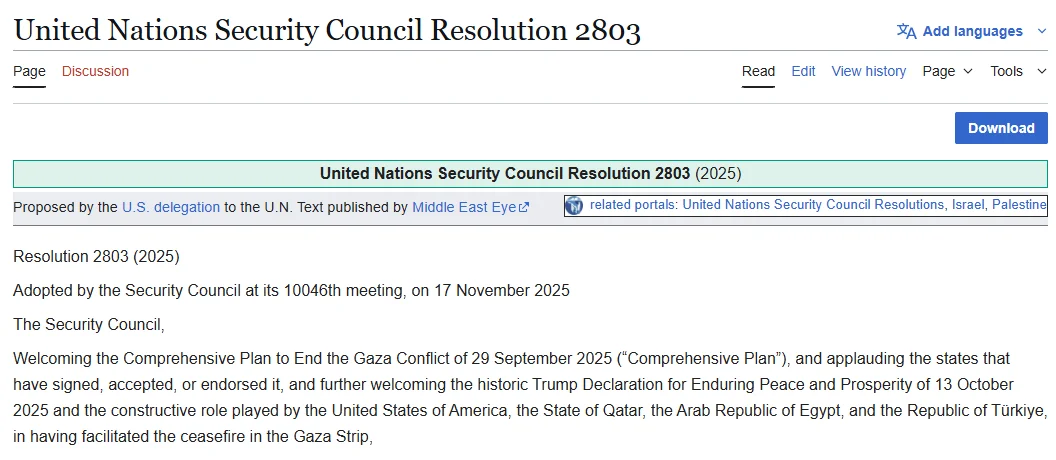
Source: https://en.wikisource.org/wiki/United_Nations_Security_Council_Resolution_2803 following https://www.middleeasteye.net/news/full-text-us-resolution-gaza-approved-un-security-council
For insights into the UNSC debate and Russia’s stance against the U.S. draft resolution, I’ve relied on a comprehensive UN report. “On November 12, the U.S. presented a revised draft for silence procedure, which both China and Russia rejected. The following day, Russia offered an alternative draft and requested a vote by November 17. The U.S. then insisted on a vote without addressing the concerns raised by Russia and China regarding the powers and composition of the proposed Board and the International Stabilization Force.”
“In response, Russia asserted that its document attempted to align the U.S. concept with previously agreed UNSC decisions. The Russian draft called for options for deploying peacekeeping forces, emphasizing an approach that aligned with established international legal standards while addressing violence cessation and regional stability.”
Source: https://russiaun.ru/en/news/comment_gaza_141125
According to the Russian document, “Our aim is to amend the U.S. concept to ensure compliance with long-standing international law applicable to the Middle East peace efforts.” The proposal acknowledged contributions from mediators, including the U.S., Qatar, and Turkey, vital for achieving ceasefires and humanitarian measures.
At the General Assembly, Russia also sought votes on a resolution condemning neo-Nazi ideologies, succeeding with a vote of 144 to 52 on November 14. Notably, many war-engaged states opposed it, while Pakistan and Israel supported it.
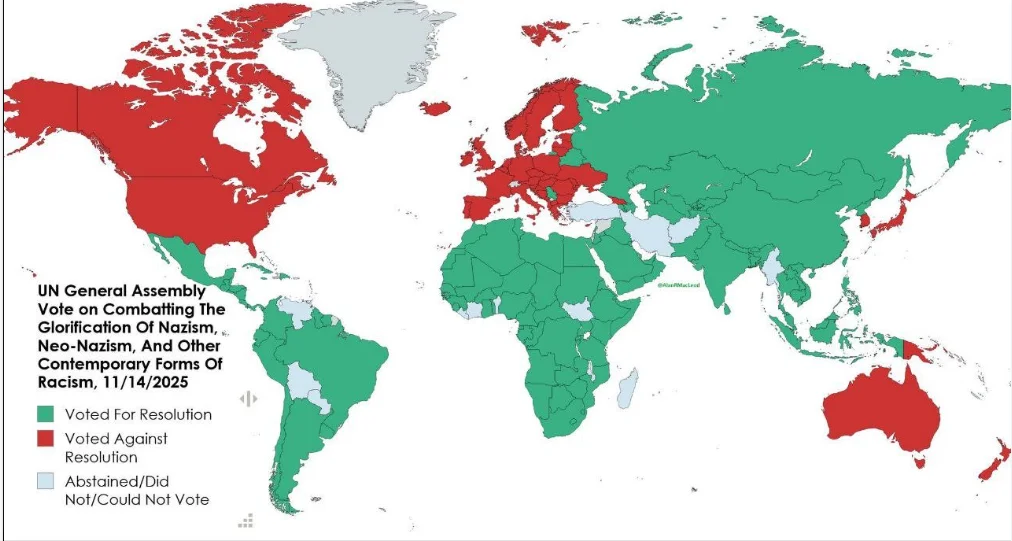
Source: https://x.com/27khv/status/1990142713837031884
The day after the General Assembly vote, on November 15, President Vladimir Putin contacted Israeli Prime Minister Benjamin Netanyahu to discuss various Middle Eastern issues, focusing on Gaza and the broader regional context.
- Insights regarding how Pakistan has reportedly funded support for Trump in relation to its ongoing conflict with India.
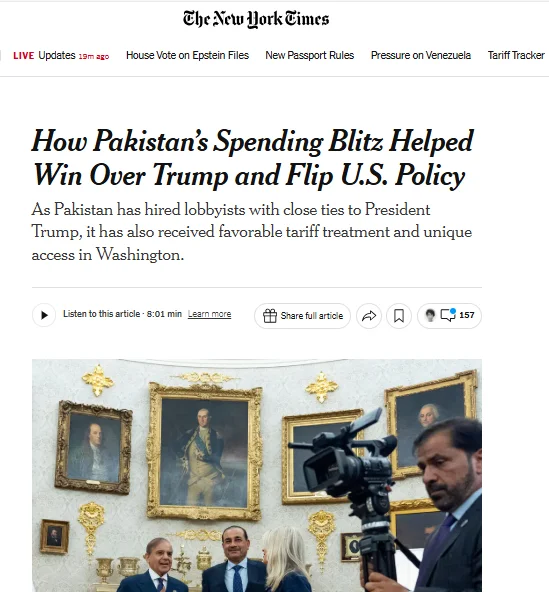
Pakistan’s Prime Minister Shehbaz Sharif and Field Marshal Asim Munir await a meeting with Trump. Original source: https://www.nytimes.com/2025/11/13/world/asia/pakistan-trump-lobbying.html?searchResultPosition=1 Read without paywall: https://archive.is/o4kBk The White House has described Pakistan as a crucial ally in countering radical Islamic terrorism throughout the administration.
In conclusion, the geopolitical landscape continues to shift dramatically, with Trump’s evolving strategies and the ongoing challenges in Ukraine and Gaza painting a complex picture. As various international players engage in negotiations and draft resolutions, the potential for meaningful resolutions remains tenuous at best. The future will reveal whether these efforts can transcend empty rhetoric into tangible actions that promote lasting peace and stability in conflict zones such as Gaza and Ukraine.

