The political landscape in Britain is undergoing significant changes, with the future of leadership in question. Amidst this turmoil, Andy Burnham, the mayor of Greater Manchester, is becoming a potential challenger to Prime Minister Keir Starmer. While Burnham’s path is filled with challenges, his popularity and reputation could play a pivotal role in reshaping Labour’s future.
A return home yields a new look and nickname
Burnham, 56, is viewed as a primary rival to Starmer due to his more left-leaning political stance. Known affectionately as the “King of the North,” his supporters hope this title will translate into electoral success.
This nickname draws a parallel to the beloved Jon Snow from “Game of Thrones,” symbolizing Burnham’s strong advocacy for the northern region of England and its working-class heritage. This connection resonates deeply with many constituents who view him as a refreshing alternative to London’s political elite.
His successful re-elections as mayor since 2017 demonstrate his capability to win support.
However, Burnham’s political journey has not been without setbacks; he experienced significant losses in his attempts to secure the Labour Party leadership in 2010 and 2015. Reflecting on these campaigns, he acknowledges his earlier approach may have come across as overly formal.
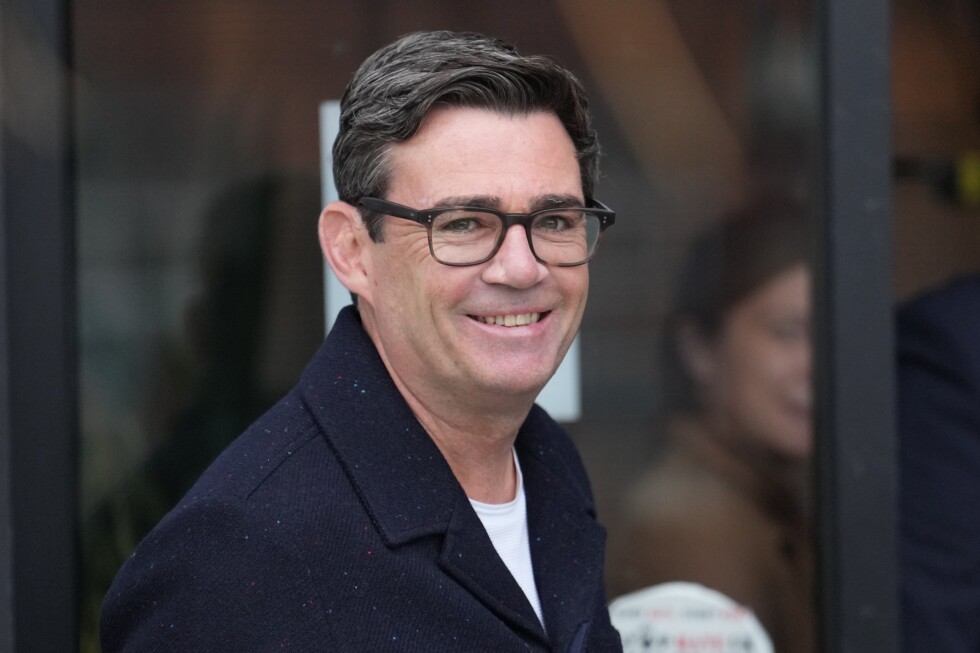
Since leaving Parliament, Burnham has adopted a more casual yet professional image, often seen in smart-casual attire paired with sneakers. This shift, while seemingly cosmetic, has helped him connect better with voters.
His tenure as mayor honed his communication skills, establishing him as one of Labour’s most effective spokespersons, especially during the COVID-19 pandemic when he passionately challenged Prime Minister Boris Johnson on his policies.
Burnham is prepared to resign as mayor if he successfully wins a special parliamentary election in Makerfield, located approximately 20 miles west of Manchester.
The road of return to Parliament runs through Reform UK
Burnham’s route to re-entering the House of Commons became clearer after Labour legislator Josh Simons announced his resignation to pave the way for Burnham. Although he was previously barred from contesting an earlier seat, Labour’s executive committee has now approved his candidacy for an upcoming special election.
This election is anticipated to be one of the most significant in UK history, and Burnham recognizes the challenges ahead.
“I truly do not take a single vote for granted and will work hard to regain the trust of people in the Makerfield constituency, many of whom have long supported our party but lost faith in recent times,” Burnham said while announcing his candidacy.
Simons had won the seat by around 5,400 votes two years ago during Labour’s landslide victory of 2024, which ended a 14-year Conservative reign.
The political climate has dramatically shifted since then, with Labour facing setbacks against the rising anti-immigrant Reform UK party and, to a lesser extent, the environmentally focused Greens. In recent local elections, all wards in Makerfield were captured by Reform.
Reform’s leader, Nigel Farage, has stated his intent to fully commit to the race.
Tim Bale, a political professor at Queen Mary University of London, believes Burnham’s popular reputation could be an asset, as many see him as someone capable of effecting real change.
“There will be a lot of people who would like to see him get back into Parliament, not least to take down Keir Starmer,” Bale expressed. “If he can’t win against Reform in Makerfield, then his value to the Labour Party as a leader might diminish.”
One battle after another
Labour has historically struggled to change its leadership while in power, but a framework for such a process exists.
If Burnham is victorious, he may be tasked with initiating a leadership contest or participating in one. To challenge Starmer, he would require the backing of at least 81 of Labour’s 403 members. Starmer, determined to continue leading, would have the right to defend his role.
Wes Streeting had once been expected to announce his own leadership bid but instead chose to support a wider field for the party’s future direction. His endorsement of Burnham highlights his belief in involving the best talent in the Labour Party.
Should a leadership race develop, both Burnham and Streeting are likely candidates, alongside other potential contenders such as former Deputy Prime Minister Angela Rayner, defense minister Al Carns, and former leader Ed Miliband.
For now, all political movements hinge on the Makerfield election, as its outcome could significantly influence Labour’s trajectory.
“If Burnham wins the by-election, it’s likely Keir Starmer won’t contest the leadership,” Bale noted. “However, if Burnham fails, Starmer may see a renewed opportunity against challengers like Streeting and Rayner.”
___
Associated Press writer Danica Kirka contributed to this story.
Key Takeaways
- Andy Burnham is emerging as a potential challenger to Prime Minister Keir Starmer.
- Known as the “King of the North,” Burnham has strong support owing to his advocacy for northern England.
- Burnham’s political experience includes both successes and setbacks in leadership contests.
- The special election in Makerfield is crucial for Burnham’s return to Parliament.
- Labour faces significant challenges from both Reform UK and the Greens in upcoming elections.
FAQ
What position does Andy Burnham currently hold?
Andy Burnham currently serves as the mayor of Greater Manchester.
What is the significance of the Makerfield election?
The Makerfield election is seen as a pivotal opportunity for Burnham to return to Parliament and potentially challenge Keir Starmer’s leadership.
Who are the other potential contenders for Labour leadership?
Potential leadership contenders include Wes Streeting, Angela Rayner, Al Carns, and Ed Miliband.
What challenges does Labour currently face?
Labour is battling against rising support for the Reform UK party and effacing a decrease in its popularity in recent local elections.
What defines Burnham’s political identity?
Burnham is recognized for his strong connection to northern England and his image as a relatable leader, which distinguishes him from the London political establishment.