May 15, 2026, 5:00 a.m. ET
For individuals experiencing rising cholesterol levels, adopting a healthier diet can make a significant difference.
Revamping your eating habits may initially appear daunting or costly, but many affordable options are available that can help lower your cholesterol levels, leaving you feeling rejuvenated and stronger.

What Causes High Cholesterol?
“Bad” cholesterol, scientifically known as LDL, is the predominant type of cholesterol in the body. An excess of LDL can accumulate in the walls of blood vessels, increasing the risk of serious health issues such as heart disease and stroke.
Incorporating foods rich in polyunsaturated fats can help directly lower LDL levels. Additionally, foods containing plant sterols and stanols, which impede cholesterol absorption, can effectively reduce your cholesterol, according to experts at Harvard Medical School.
Foods containing a substantial amount of soluble fiber can aid in lowering cholesterol as well. This type of fiber binds to cholesterol in the digestive system and removes it from the body before it enters the bloodstream, said Christina Manian, a dietitian and expert in sustainable food systems.
Foods to Help Lower ‘Bad’ Cholesterol
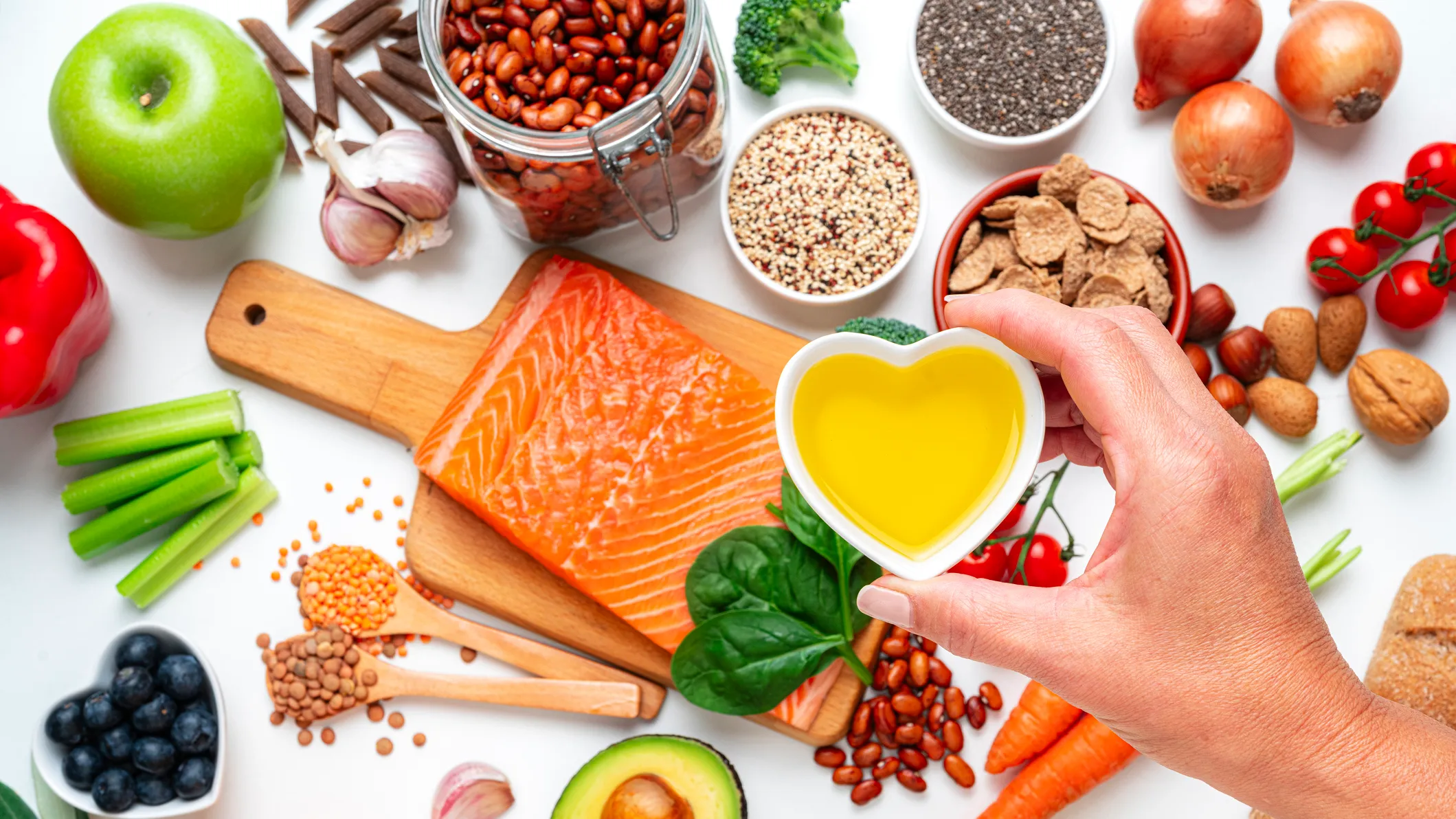
- Avocados: Packed with monounsaturated fats, fiber, and plant sterols, avocados are effective at reducing cholesterol levels.
- Legumes: Beans, lentils, chickpeas, and peas are rich in soluble fiber, which can significantly lower cholesterol. They digest slowly, promoting a feeling of fullness and making them an excellent choice for weight management.
- Almonds: A combination of healthy unsaturated fats, fiber, and antioxidant-rich vitamin E in almonds can help reduce LDL levels. Replacing your usual snack with almonds – studies show they lower cholesterol more effectively than equivalent calories from crackers – shows positive results.
- Oats: Oat-based foods contain the soluble fiber beta-glucan, which helps remove cholesterol-containing bile acids from the digestive system, effectively lowering LDL levels in those with dyslipidemia. Aim for about 5 to 10 grams of fiber daily, equivalent to 1.5 to 2 cups of cooked oatmeal.
- Dark Chocolate: When consumed in moderation, a small piece of high-cocoa dark chocolate can also contribute to lowering LDL and supporting heart health.
Additional foods that can help reduce cholesterol include tofu, edamame, leafy greens like broccoli and kale, apples, and citrus fruits, according to dietitian LeeAnn Weintraub.
In conclusion, focusing on the right nutrition can effectively manage and lower high cholesterol levels. Incorporating delicious and healthful foods into your diet not only enhances your overall well-being but also empowers you to take control of your health. Explore these options and enjoy the journey to healthier eating!