
We often hear the basic advice: consume fruits and vegetables, ensure adequate intake of vitamins, and maintain good health. Generally, this guidance is sound.
However, the story of certain nutrients can be quite intricate, and vitamin B12 epitomizes this complexity.
Also referred to as cobalamin, vitamin B12 is indispensable for life. It supports the production of red blood cells, maintains nervous system health, and is vital for the accurate replication and repair of DNA.
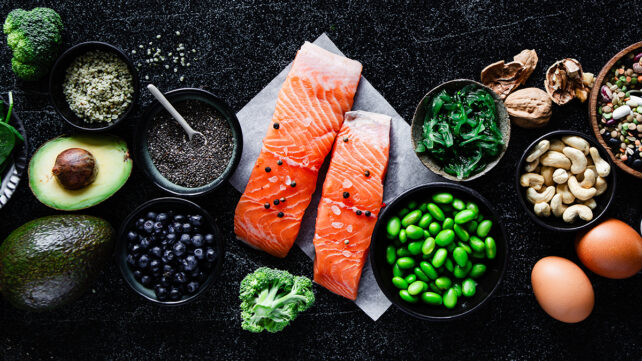
B12 is naturally present in animal-derived foods such as meat, fish, eggs, milk, and cheese. Additionally, some cereals and breads are fortified with B12, providing an important source for individuals who do not consume animal products.
Most people who follow a balanced diet can attain the recommended levels of B12, but those who are vegan, have specific gastrointestinal issues, or are older adults may require supplements.
A deficiency in B12 can result in serious health issues, particularly if it goes unnoticed and untreated over time.
Recently, researchers have begun exploring the potential links between elevated B12 levels and cancer.
Maintaining Balance
The body constantly produces new cells, and accurate DNA replication is crucial each time a cell divides. Vitamin B12 plays an essential role in this process.
When B12 levels drop too low, DNA replication may become flawed, leading to mutations that, over time, could elevate the risk of some cancers, particularly colorectal cancer. This is why a deficiency in B12 is taken particularly seriously.

A 2025 case-control study conducted in Vietnam uncovered a U-shaped relationship between B12 intake and cancer risk, indicating that both low and high levels of intake were associated with increased risk.
Although such studies can demonstrate correlations, they cannot establish a cause-and-effect relationship, suggesting that while B12 isn’t inherently dangerous, balance is essential.
It might seem logical that if B12 supports healthy cell growth, higher doses would provide additional protection against cancer. However, existing research does not entirely support this hypothesis.
Vitamin B12 promotes cell growth more generally, which means it could support not only healthy cell development but also the growth of pre-cancerous cells. Establishing this link in humans remains challenging.
Overall, studies on high-dose B vitamin supplements taken over extended periods have failed to demonstrate clear protective effects against either cancer incidence or cancer-related deaths.
One analysis did find a reduced risk of melanoma, but this was a specific observation rather than evidence suggesting that high-dose B vitamins have a general cancer-preventing ability.
Some observational studies have even indicated a slight increase in lung cancer risk associated with long-term high-dose supplementation of B6 and B12, particularly among men and smokers, though these types of studies cannot definitively assert that supplementation caused the cancers.
Many oncologists have observed that numerous cancer patients possess unusually high levels of B12 in their blood. This leads to an intriguing question: Does this elevated B12 level contribute to cancer, or could the presence of cancer itself be responsible for increased B12 levels?
A 2022 study concluded that high B12 levels in cancer patients are often an “epiphenomenon“, meaning the vitamin’s presence accompanies the disease without necessarily causing it. A follow-up study in 2024 reached a similar conclusion.
This observed phenomenon is believed to involve two primary mechanisms. First, tumors can affect liver function, as the liver stores substantial amounts of B12. Damage or stress to the liver might cause it to release more B12 into the bloodstream.
Secondly, specific tumors may increase the production of proteins that bind to B12 in the blood. This can elevate blood test results without necessarily indicating that the body’s cells are using more B12.
A Valuable Indicator
Researchers are beginning to appreciate that while elevated B12 may not directly cause cancer, it could serve as a valuable marker for the presence or progression of the disease.
A large-scale study conducted in 2026 discovered that colon cancer patients exhibiting very high B12 levels had a median survival of about five years, compared to nearly eleven years for those with normal levels.

Similar patterns have also emerged in research related to oral cancer and among patients under immunotherapy, where high B12 levels have been linked to poorer outcomes.
This highlights the importance of monitoring unexplained and persistent high B12 levels, especially when not attributed to supplements. They might indicate underlying liver issues, blood disorders, or undetected cancers.
For the majority, there’s no immediate reason for concern. B12 obtained from a balanced diet that includes meat, fish, eggs, dairy, or fortified foods is generally safe, as it is quite difficult to consume excessive amounts from diet alone. Deficiency remains a more prevalent and significant concern than the risks of excess.
However, caution is warranted when it comes to long-term high-dose supplementation without medical guidance, particularly if blood tests reveal consistently elevated B12 levels without the use of supplements.
Related: Two Supplements For Menopause May Actually Help, Expert Reveals
The broader takeaway is straightforward: more is not always better. Cancer cannot be warded off by overly relying on any single vitamin. Sustainable health habits—such as eating a balanced diet, engaging in regular physical activity, avoiding smoking, protecting your skin, and participating in routine health screenings—are far more critical.
So, what should be said about vitamin B12?
Ensure you are obtaining enough through your diet or necessary supplementation, especially if you are vegan, older, or experiencing conditions that impact absorption. Nevertheless, high doses should only be considered under medical advice.
With B12, as with numerous nutrients, it is not about taking as much as possible, but rather ensuring the right amount for optimal health.
Ahmed Elbediwy, Senior Lecturer in Cancer Biology & Clinical Biochemistry, Kingston University and Nadine Wehida, Senior Lecturer in Genetics and Molecular Biology, Kingston University
This article is republished from The Conversation under a Creative Commons license. Read the original article.


