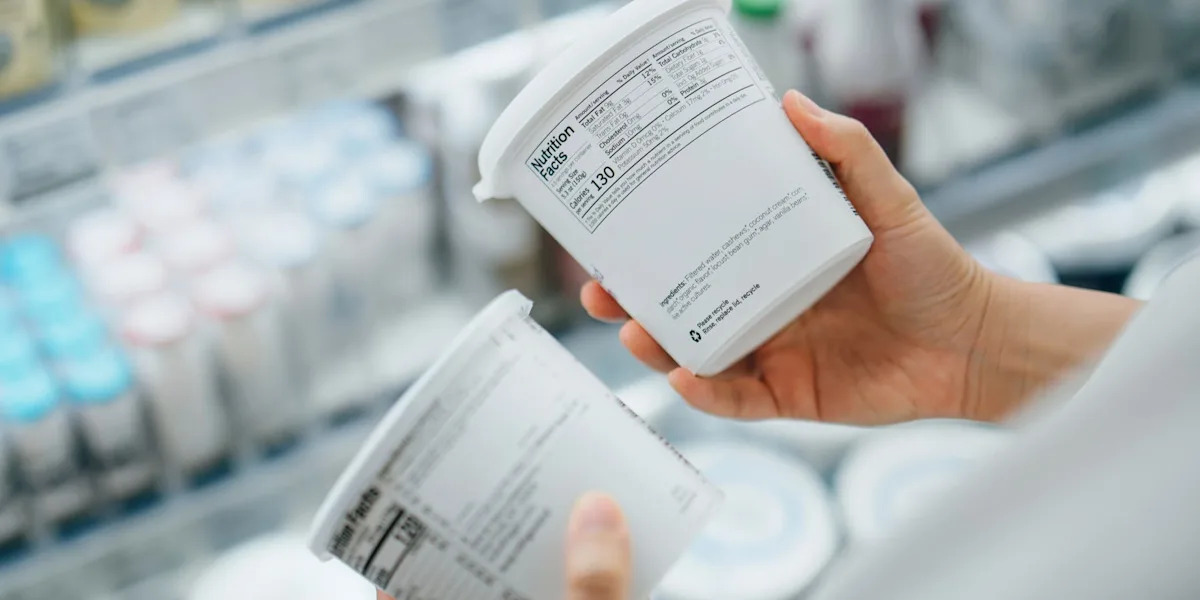
As awareness of ultra-processed foods continues to rise, many consumers are paying more attention to nutrition labels. In response, food brands are increasingly reformulating their offerings to cater to the demand for healthier options.
Among the common claims appearing on modern product packaging are “sugar free” and “no sugar added.” While these phrases may seem interchangeable at first glance, they have significantly different meanings under FDA regulations. To clarify these distinctions, we consulted with Vandana Sheth, RDN, CDCES, FAND, who provided insightful explanations.
What Does Sugar Free Mean?
The term “sugar free” is defined with precision by the FDA. According to Sheth, this label indicates that a food product contains less than 0.5 grams of sugar per serving and does not include ingredients classified as sugars.
While sugar-free products can still have a sweet taste, they often include sugar substitutes. These sweeteners, which can be either artificially or naturally sourced, are permissible under FDA guidelines. However, many of these substitutes are highly processed and may lead to issues like digestive discomfort if consumed excessively.
For individuals aiming to reduce their intake of processed foods, sugar-free options might not always align with those goals. However, Sheth notes that “for someone managing diabetes or balancing blood sugar levels, sugar-free products can improve their choices without causing significant blood sugar spikes.”
What Does No Sugar Added Mean?
The terms “no sugar added,” “no added sugars,” and “without added sugar” convey the same FDA-regulated definition: that no sugars have been included during either the processing or packaging of the product, as Sheth explains.
This means that products labeled with “no sugar added” must also exclude ingredients known for their high sugar content, such as honey, jam, syrups, and concentrated fruit juice. Nevertheless, these products can still have sugar substitutes as well as naturally occurring sugars from fruits, vegetables, and dairy, potentially contributing to a notable sugar content. Sheth cautions, “When considering no sugar added items, be aware that they may still contain considerable carbohydrates.”
It’s important to remember that these labeling regulations can sometimes be misleading. For instance, certain cranberry products can contain various types of concentrated fruit juices and still be marketed as “no sugar added” if the final sugar content is comparable to similar fruit-based products due to a 2019 FDA document that relaxed some labeling requirements for cranberries.
What Should Shoppers Consider When Buying These Products?
Neither “sugar-free” nor “no sugar added” inherently signifies an unhealthy product. Nevertheless, consumers should remain vigilant while purchasing and consuming these items. “Don’t automatically assume a food product is healthy just because of these labels,” Sheth advises, pointing out that a sugar-free cookie is still, in fact, a cookie.
The best strategy for shoppers is to read labels carefully, focusing on both ingredient lists and nutrition facts, paying particular attention to total carbohydrates and added sugars. Sheth also suggests verifying which sweetening agents are used in sugar-free products.
Ultimately, moderation remains key. “Be mindful of serving sizes,” Sheth adds. “A product may be sugar free for one serving, but having multiple servings changes the overall sugar content.”
You Might Also Like