In an effort to promote healthier eating habits, the UK government set ambitious targets for chain restaurants to reduce sugar, salt, and calorie content in their menus. By 2020, restaurants were expected to meet sugar reduction goals, while salt targets were set for 2024 and calorie targets for 2025. A recent audit by a team from Oxford University assessed the menus of 21 of the nation’s top-earning chains to examine their compliance with these targets.

The findings indicate that the voluntary targets set by the government have largely gone unmet.
Voluntary Targets Fall Short
A recent study from the University of Oxford evaluated the menus of Britain’s 21 highest-grossing chain restaurants. Researchers aimed to determine how many menu items met the government’s voluntary reduction targets, with results showing that only 43 percent were compliant.
This study examined 3,099 menu items sourced from each restaurant chain’s website in early 2024. Approximately 60 percent met the calorie target, while nearly 60 percent achieved the salt target. Sugar compliance was notably lower, with only 36 percent of items meeting the required limits.
Alice O’Hagan, a doctoral researcher leading the study at Oxford’s Nuffield Department of Primary Care Health Sciences, noted significant variation in adherence between different restaurants and types of food.
The team gathered nutritional data directly from chain websites by reviewing PDF menus and online listings to catalog more than 3,000 items, each of which was checked against the relevant government targets.
Three main reduction programs were implemented: the sugar reduction initiative aimed for 2020, salt targets are due in 2024, and the calorie reduction program has been pushed to 2025 due to pandemic delays.
Studies have long indicated that these reductions could lower rates of obesity and cardiovascular diseases, with one report predicting significant health benefits if sugar goals are achieved.
Sugar Fares the Worst
Among the three nutrients, sugar presented the greatest challenge for restaurants. Just over one-third of eligible menu items met the government’s sugar limits.
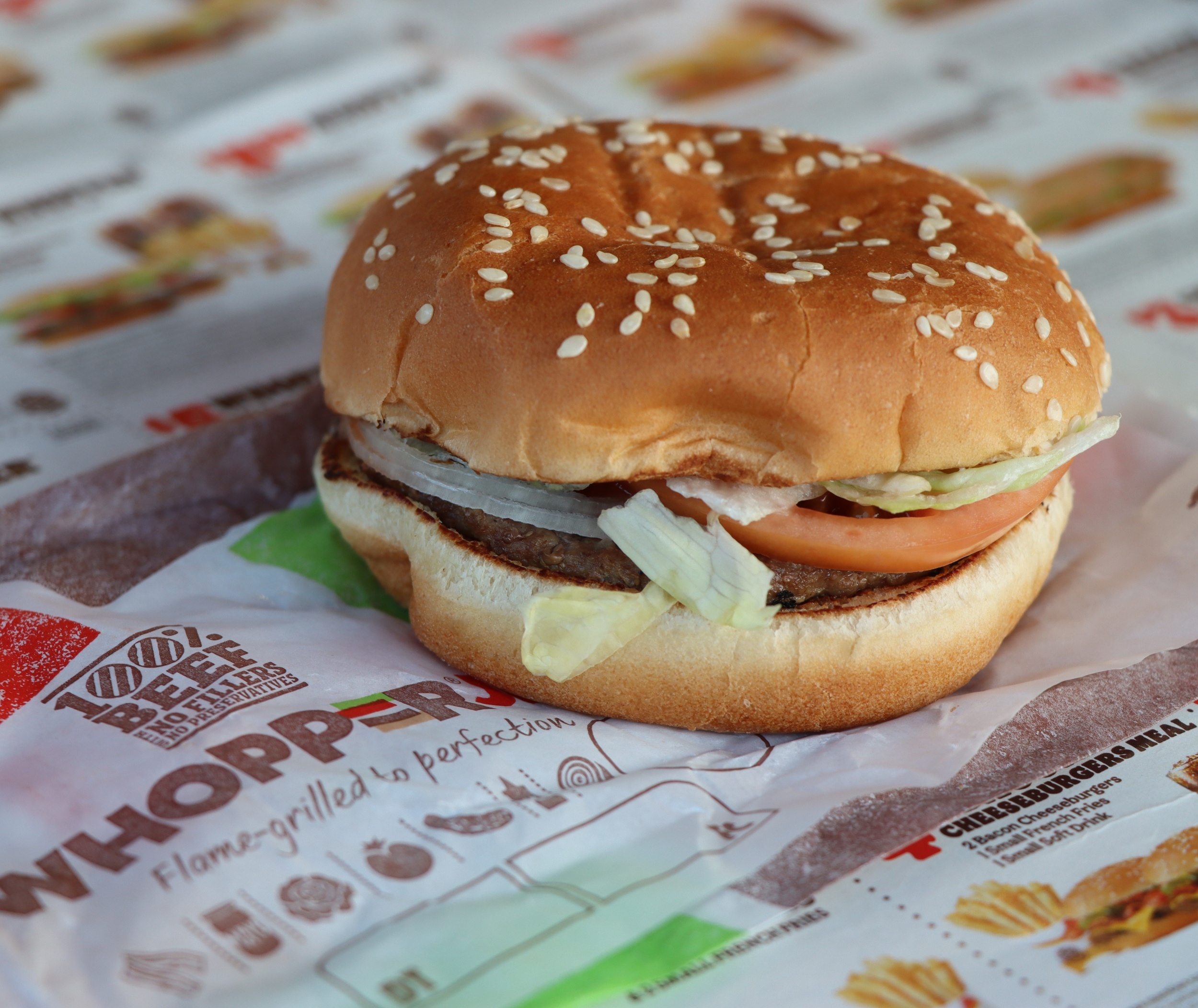
Some chains, including Burger King, KFC, Nando’s, and Vintage Inns, reported no eligible items meeting the sugar target. Papa John’s ranked the lowest overall, with only 8 percent of its items meeting the salt target and 35 percent meeting the calorie target. When combined, just 8 percent of its menu satisfied all requirements.
Pizza Chains Lag Behind
When categorized by cuisine type, pizza chains performed the worst. Only 32 percent of menu items from these chains met all relevant targets, while burger restaurants were better, achieving 59 percent.
Within the food categories, salads had the highest compliance rate at 96 percent, although they only had to meet calorie targets. Breakfast items followed with 66 percent adherence, while desserts and pizzas lagged behind.
A US study tracking American fast-food meals from 2008 to 2017 revealed a similar stagnation, indicating that this issue is not limited to the UK.
Same Cuisine, Different Results
Chains offering similar food items displayed significantly varied results. Although Burger King and McDonald’s both feature burgers, their compliance rates were markedly different.
Subway, the only sandwich chain in the study’s top tier, achieved the highest compliance rate at 76 percent. In contrast, several major pizza chains scored in the teens.
This analysis is the first comprehensive comparison of menu adherence across multiple chains and reduction targets simultaneously. The data highlights that cuisine type is not the sole factor; recipe choices and portion sizes play crucial roles.
“Interestingly, restaurants with similar menu styles performed quite differently in meeting the targets,” noted O’Hagan.
The Case for Mandates
The Oxford team concluded that voluntary targets are insufficient. A 2024 review of reformulation policies from various countries indicated that mandatory regulations consistently yield better results in reducing salt, sugar, and calorie content compared to voluntary guidelines.
“Voluntary targets alone are not producing consistent improvements in the nutritional quality of food items in UK restaurants,” stated study co-author Lauren Bandy.
Data was collected in early 2024, before the deadlines for salt and calorie targets had fully elapsed, so compliance may change in the future. Additionally, sales data for individual items was unavailable, implying that a healthier-looking menu does not guarantee healthy eating practices among customers.
If patrons primarily select menu items that do not meet the targets, the overall figures may be misleading. Nutritional claims were based on data reported by restaurants, which may be incomplete and difficult to verify.
What Could Change Next
The NHS 10 Year Health Plan has already advocated for mandatory reporting of healthy sales by large food companies, paving the way for potential mandatory targets in the future.
If enforced, non-compliant chains will face public accountability, industry comparison, and enforcement pressure, moving beyond simple voluntary nudges.
Similar initiatives in other countries have proven effective. The UK’s salt reduction program, launched in 2004, successfully decreased average sodium levels by approximately 2% per year until 2011.
These results reflect the effectiveness of clearly defined, consistently applied targets across the food industry.
Currently, the data presents a compelling case: healthier menus are achievable, and some companies have already implemented them. However, they are not yet standard practice.
The study was published in the journal PLOS Medicine.
—–
If you found this article interesting, subscribe to our newsletter for more engaging content and updates.
Explore more on EarthSnap, a free app brought to you by Eric Ralls and Earth.com.
—–


