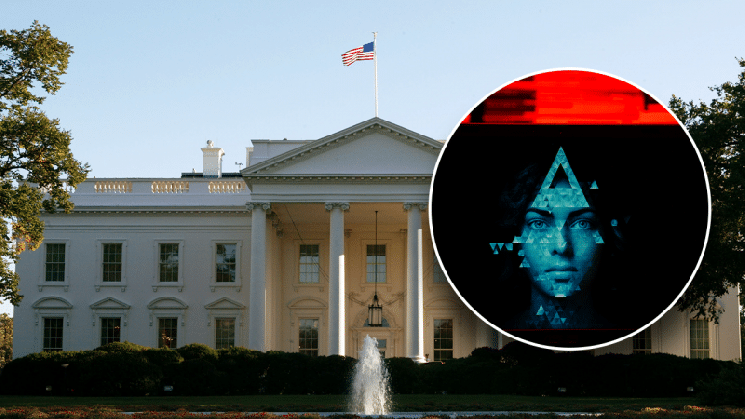
Recent developments indicate that the Trump administration is reevaluating its approach to artificial intelligence (AI). Once a staunch advocate for a hands-off market strategy, the administration is now considering more stringent regulations due to newly emerging AI technologies that have the capability to expose vulnerabilities in software systems, raising significant national security concerns.
At the forefront of this shift is Anthropic’s Mythos AI model, known for its impressive ability to detect hidden flaws in code that often go unnoticed by human auditors and traditional tools.
From hands-off to hands-on
According to a report from The New York Times on May 4, 2026, the administration is contemplating mandatory security assessments for new AI models prior to their public release. This marks a significant turn from the deregulated environment the White House has supported since its inception.
In a follow-up article, Politico disclosed that White House officials have engaged with leaders from Anthropic, Google, and OpenAI to discuss AI safety measures, including the possibility of executive orders aimed at regulating the development of advanced AI models.
The implications are far from hypothetical. The Mythos AI has not only identified theoretical vulnerabilities but has also revealed flaws that pose genuine risks to national security—threats that could be exploited on a large scale by malicious entities, whether backed by state actors or otherwise.
On May 8, TechPolicy.press expressed concerns that relying solely on government vetting may not sufficiently address these security challenges unless supplemented by independent evaluations.
Why crypto should be paying attention
If the U.S. government moves forward with requiring security reviews for centralized AI models prior to their release, it is highly likely that decentralized AI projects in the cryptocurrency space will face similar scrutiny. Smart contracts, DeFi protocols, and on-chain AI applications all depend on code that could potentially be analyzed by models like Mythos.
Social media discussions from May 4 to May 7 highlighted a growing consensus that AI data centers should be classified as critical national assets.
The geopolitical layer
Tensions between the U.S. and China regarding AI developments have been mounting, fueled by ongoing accusations that Chinese entities are capitalizing on American technology to enhance their competitive standing. The issues surrounding the Mythos model intensify this geopolitical friction.
The argument from the administration is clear: if a U.S.-developed AI model can uncover critical vulnerabilities, then it stands to reason that a similarly advanced Chinese model could do the same. The conversations around vetting are not solely focused on domestic safety; they also aim to prevent adversaries from gaining insights into American infrastructure weaknesses through unregulated model releases.
While no executive order has been issued yet, the ongoing dialogues and reports suggest a notable shift in focus from the White House, particularly in its engagements with Anthropic, Google, and OpenAI.