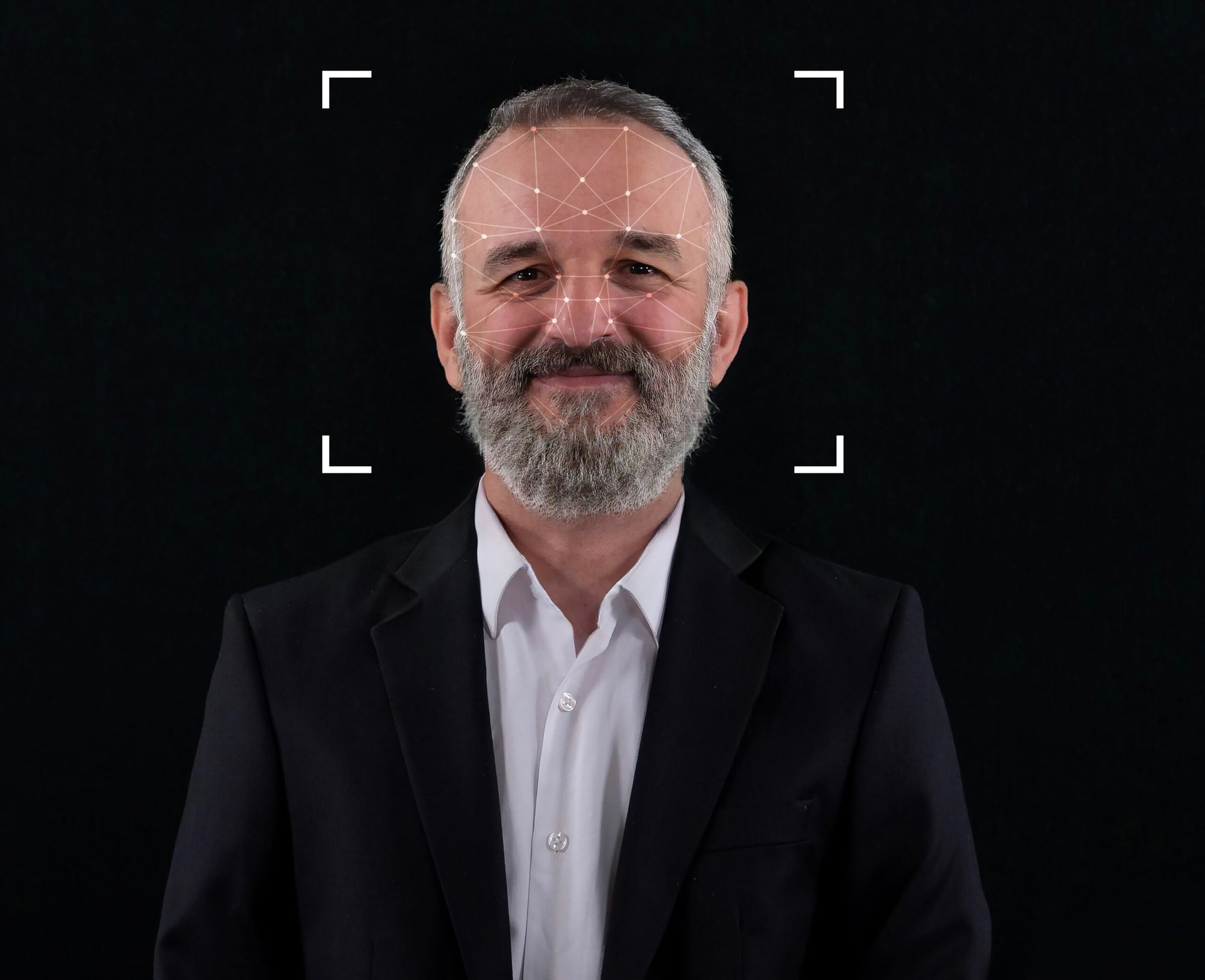
The appearance of a camera used for patient identification doesn’t typically resemble the tools of medical testing.
However, recent research in cancer treatment has shown that routine facial photos taken over periods of months or years can reveal profound insights: they reflect the biological aging of patients undergoing treatment, correlating with their survival outcomes.
Researchers at Mass General Brigham introduced a new metric known as Face Aging Rate (FAR). This measure could provide an innovative means to assess a patient’s health over time, eliminating the need for blood tests, scans, or biopsies. Their findings, published in Nature Communications, indicated that cancer patients whose facial age advanced more rapidly were at a higher risk of early mortality compared to those with a slower rate of facial aging.
This study builds upon previous work involving FaceAge, an AI tool estimating biological age from a single facial photograph. In earlier findings, it was observed that cancer patients often appeared five years older than their chronological age, with greater FaceAge estimates linked to reduced survival following treatment.
The focus of this new study was not just on how old someone appeared in a singular image, but rather on the speed at which that apparent age changed over time.
When a face begins to act like a biomarker
The study analyzed sequential facial photographs from 2,276 cancer patients aged over 20, all of whom completed at least two courses of radiation therapy at Brigham and Women’s Hospital. These images were routinely captured at the onset of each radiation treatment cycle between 2012 and 2023.
Researchers compared earlier and later images from each patient to compute FAR by analyzing changes in FaceAge and dividing by the duration between the photographs. A FAR score above 1 indicated accelerated aging, while a score below 1 signified a slower aging process.
Additionally, they evaluated FaceAge Deviation (FAD), another metric reflecting how much older or younger a person looked in a single image compared to their chronological age.
The median age at the first radiation therapy session was 63.4 years, comprising patients ranging from 20.1 to 97.0 years old. The cohort consisted of 50.5% women and 49.5% men. The majority of participants were White (85.1%), followed by Black (5.1%), Asian (4.9%), and individuals of other races (4.9%).
On average, the time gap between the two pictures was 286 days, with a median follow-up period of 35.7 months.
A notable finding was the rate of change; the median FAR results indicated that facial aging accelerated at a pace 40% faster than chronological aging.
Faster facial aging, shorter survival
The research team categorized patients into three groups based on the photo intervals: short-term (10 to 365 days), mid-term (366 to 730 days), and long-term (731 to 1,460 days).
Timing made a difference in the findings. FAR values exhibited significant variability over short intervals, as even minor fluctuations could yield drastic changes due to the small timeframe. In contrast, longer intervals produced more stable results.
Nevertheless, the survival signals were consistent across all three groups.
For patients in the short-term category with elevated FAR, median survival was 4.1 months, compared to 6.5 months for those with lower FAR. In the mid-term group, patients exhibiting faster facial aging had a median survival of 6.4 months compared to 12.5 months for those with slower aging rates. The long-term group showed an even more significant disparity: 15.2 months versus 36.5 months.
The hazard ratios confirmed this trend. In univariate analyses, a high FAR was connected with an increased risk of mortality across all three time frames. For instance, in the long-term category, a FAR above 1 resulted in a hazard ratio of 1.60. After adjusting for the time between photos, sex, race, and cancer diagnosis at the second radiation treatment, the association remained significant, with an adjusted hazard ratio of 1.65.
This pattern was also evident in patients with metastatic cancer during the second radiation treatment phase, marking the largest risk subgroup in the study. The authors observed even greater separation in survival curves within this group.
Interestingly, other traditional markers did not exhibit the same correlation. Age by itself did not show significant associations with survival across any time interval groups. Race and diagnosis demonstrated inconsistent associations depending on the cohort, while male patients had a lower mortality risk solely in the long-term category.
A moving measure may matter more than a snapshot
One of the intriguing aspects of this research was the comparison of FAR with the single-time FaceAge Deviation measure.
Patients exhibiting both high FAD and high FAR faced the bleakest survival prognoses. However, over time, FAR emerged as a more informative predictor than FAD in isolation. For the short-term group, both metrics contributed to mortality risk, but in longer intervals, the aging rate itself appeared to hold more prognostic value.
This is significant, as it implies that the rate of visible biological change could be more indicative of health than a singular estimate of how old someone appears.
The research team observed this shift in contour plots illustrating hazard ratios across various combinations of FAD and FAR. In short-term intervals, both metrics were significant. In contrast, over longer durations, the contour lines stabilized, indicating that FAR became the predominant signal.
Moreover, an additional analysis utilizing the later FAD values revealed a similar trend; however, these one-time measures did not differentiate outcomes as distinctly as FAR. Extended evaluations indicated that FAR consistently outperformed single-timepoint FAD across all time intervals, showcasing its strongest efficacy in the long-term group.
“Calculating a Face Aging Rate from multiple, routine facial photographs enables near real-time monitoring of an individual’s health,” stated co-senior author Raymond Mak, a radiation oncologist at Mass General Brigham Cancer Institute, also affiliated with the Artificial Intelligence in Medicine program. “Our research indicates that monitoring the FaceAge metric over time could enhance personalized treatment plans, guide patient consultations, and optimize the follow-up frequency and intensity in oncology.”
What the face may be picking up
The authors suggest that accelerated facial aging may indicate broader biological stress, including cellular senescence, DNA damage, and diminished tissue repair—all processes associated with aging and cancer development.
This does not imply that the face itself directly explains disease; rather, visible changes may serve as indicators for underlying health changes.
The research frames FAR as a dynamic biomarker, supporting the notion that repeated assessments can offer more insight than isolated measurements. The article makes parallels with other medical fields, such as blood pressure variability in cardiovascular health, PSA velocity in prostate cancer, and continuous biomarker tracking in Alzheimer’s care.
The practicality of FAR is noteworthy; it does not require laboratory analysis or specialized equipment, utilizing only the routine clinical photography already employed in some cancer settings.
This could facilitate its repeated use.
The researchers highlighted that a large portion of their cohort had metastatic disease—62.9% at the first radiation session and 78.7% at the second. In this context, high FAR could help pinpoint patients who might benefit from less aggressive, less toxic palliative approaches rather than escalation in treatment intensity. It could also aid clinicians in balancing symptom management, quality of life, and survival objectives more effectively.
A subsequent study utilizing FaceAge, published in The Lancet Digital Health, expanded on these concepts. In a cohort of over 24,500 cancer patients aged 60 and above who underwent radiation therapy, it was noted that FaceAge was older than chronological age in 65% of cases. Those whose FaceAge was at least a decade older than their actual age tended to have poorer survival outcomes, contrary to those whose FaceAge was within five years of their actual age.
The limits are not small
While the results are promising, the study has notable limitations.
The participants were mainly White, potentially affecting the generalizability of the findings to more diverse populations, especially since facial aging patterns vary among different racial groups. Additionally, most subjects were older adults, which raises questions about the applicability of the results to younger individuals.
Factors such as photo quality, lighting, and facial expressions may also influence the outcomes. Furthermore, the researchers lacked detailed information regarding disease progression, treatment specifics, cachexia, and side effects—variables that could affect both appearance and survival. These omitted factors may have acted as confounders.
Timing is another consideration. The photographs weren’t taken at uniform study intervals; they were captured at specific radiation therapy milestones, which means the short-, mid-, and long-term groups may reflect distinct clinical situations rather than a consistent chronological comparison.
While the correlations were significant, the models have not yet undergone validation in prospective clinical trials.
Furthermore, ethical considerations come into play. The article highlights concerns surrounding privacy, potential biases in AI systems analyzing faces, and the necessity for transparent algorithms and robust data protection before widespread clinical implementation can occur.
“Monitoring FaceAge over time through simple photographs provides a non-invasive, cost-effective biomarker that can inform individuals about their health,” noted co-author Hugo Aerts, director of the Artificial Intelligence in Medicine program at Mass General Brigham. “We hope that further research will unveil the potential of FaceAge in providing prognostic insights for patients with various chronic diseases and for generally healthy individuals.”
Practical implications of the research
At present, while FAR shows promise, it is not a standalone tool for clinical decision-making, and the findings do not imply that altering facial aging translates into improved patient outcomes. Nonetheless, they suggest that ongoing assessments of facial age may enhance cancer care, particularly as clinicians strive to gauge a patient’s wellbeing over time.
In oncology, this could lead to more precise risk stratification, tailored follow-up strategies, and more transparent discussions regarding treatment intensity. In the future, the researchers believe that these methods could also be tested in chronic disease management and even in healthy populations, where non-invasive monitoring could detect health changes before symptoms become pronounced.
The research team has initiated an institutional review board-approved web portal allowing the public to submit facial photographs for a FaceAge assessment, contributing to ongoing research efforts. Whether this technology becomes part of standard clinical practice will hinge on more mundane yet critical factors: rigorous validation, equitable performance across diverse populations, and evidence that the information it provides can enhance clinical decision-making.