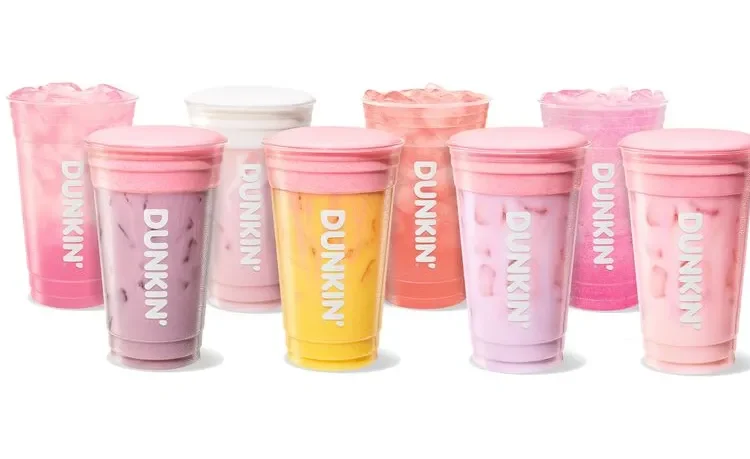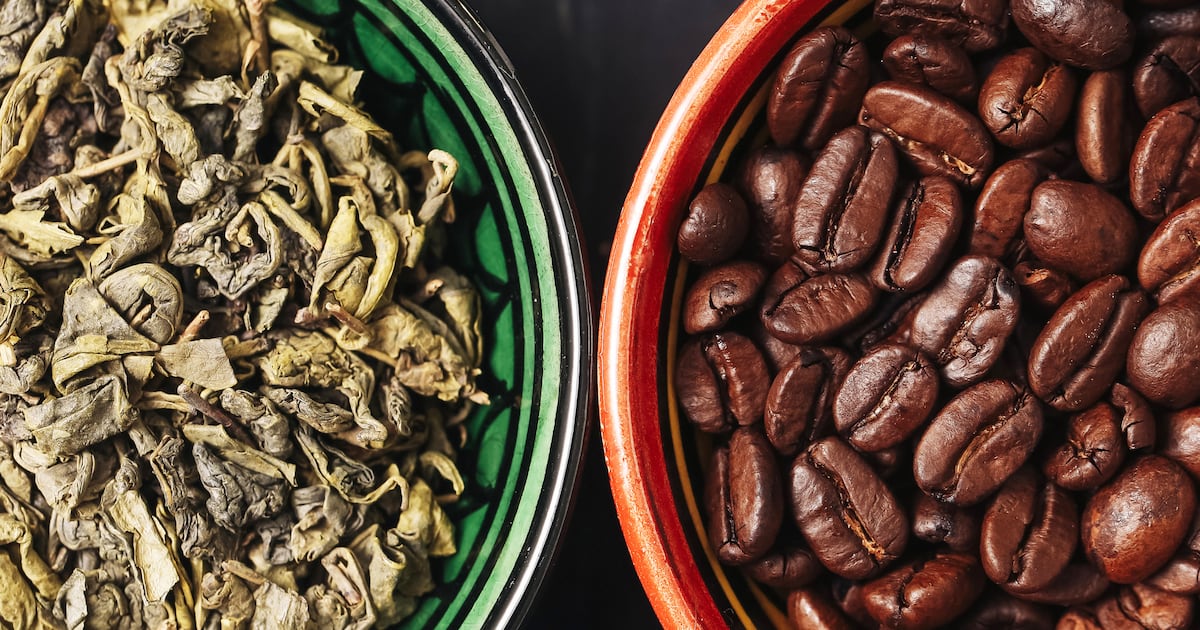
As consumers explore options beyond traditional coffee, the emerging market for coffee alternatives shows significant potential. This growth reflects a demand for beverages that cater to various wellness needs, from calmness to digestion, allowing brands to craft focused narratives around their offerings.
Data from Spate highlights a noticeable shift in consumer behavior, according to Google searches compared between January–December 2025 and the previous year. The coffee alternative sector has experienced a remarkable year-over-year growth of +39.5%. However, it remains relatively niche, with an average monthly search interest of 544.2K.
Intriguingly, almost 99.7% of this activity is generated through Google, indicating that consumers are proactively seeking these alternatives for specific benefits and ingredients, rather than simply following trends.
No single winner in ‘coffee alternatives’
The landscape of coffee alternatives is diverse; consumers are not gravitating towards a singular substitute. Spate’s data indicates a widespread interest in various drink options, particularly teas and wellness-oriented beverages.
The strongest momentum is observed in tea-based drinks:
- Matcha beverages are up +154.5% YoY, with an impressive 1.8B search popularity
- Herbal teas: +26.1% YoY (401.5M popularity)
- Green teas: +17.0% YoY (187.4M popularity)
- Wellness teas: +30.8% YoY (28.8M popularity)
Matcha’s impressive growth sets it apart, extending its influence beyond beverages into snacks. This trend illustrates that matcha has carved out its own niche, positioning itself alongside coffee. Concurrently, herbal and wellness teas are witnessing gradual growth, driven primarily by their perceived health benefits as noted by Atkinson.
Health, not energy, is the primary driver
Insights reveal that consumers are not merely looking to replicate coffee’s caffeine boost; instead, they are prioritizing functional benefits. According to Atkinson, rising search interests show a clear demand for wellness.
Among the most quickly growing concern-based searches linked to tea beverages:
- Gut health: +642.3% YoY
- Menstrual relief: >1,000% YoY
- Stress: +50.1% YoY
- Honey sore throat: +105.1% YoY
These searches emphasize a desire for drinks that support digestion, hormonal balance, immunity, and stress relief. In this context, coffee alternatives are seen not just as indulgences, but as part of a self-care routine.
Additionally, ingredient-focused trends highlight this transition, with searches for functional botanicals like lemon balm (+182.5% YoY) and hibiscus (+143.8% YoY) rising alongside tea beverages.
Coffee still dominates but customization is driving growth
Despite the surge in alternatives, coffee continues to maintain its stronghold, with an impressive 8.8 billion search popularity and a year-over-year growth of +21.1%, according to Spate.
Instead of abandoning coffee, consumers are enhancing it to align with their specific preferences through added flavors and personal touches. This indicates the emergence of the fourth wave of coffee.
Some of the fastest-growing searches within coffee drinks include:
- Coffee syrup (+116.7% YoY)
- Cookie butter (+87.3% YoY)
- Caramel (+33.3% YoY)
- Homemade syrup (+858.0% YoY)
Once a fixed routine, coffee’s DIY customization and dessert-like flavors have transformed into a more personalized experience for consumers.
To caffeine, or no caffeine?
Some consumers are opting to reduce or eliminate caffeine, while others seek its more invigorating effects. Spate identifies growth in caffeine-related searches driven by differing motivations:
- Caffeine (ingredient): +69.9% YoY
- Caffeine-free: +329.4% YoY
- Caffeine hit: +406.6% YoY
- Caffeine boost: +87.8% YoY
Coffee alternatives, particularly those infused with tea and adaptogens, cater to this diverse range of preferences by offering either lighter stimulation or a perception of clean energy.
Key Takeaways
- The coffee alternatives market has grown by +39.5% YoY as consumers seek varied wellness benefits.
- Tea-based beverages, especially matcha, are leading in popularity across this category.
- Health benefits, not just energy, are driving consumer interest in alternatives to caffeine.
- Coffee remains dominant but customization trends are reshaping user experiences.
- Interest in caffeine varies, with some consumers reducing intake while others look for enhanced energy options.
FAQ
What are coffee alternatives?
Coffee alternatives are beverages that provide similar experiences to coffee but may focus on wellness benefits rather than caffeine content.
Why are consumers interested in coffee alternatives?
Consumers are exploring coffee alternatives to find functional benefits, such as stress relief and digestive support, rather than just seeking caffeine.
Is coffee still popular despite the rise of alternatives?
Yes, coffee continues to dominate the beverage market, with increasing popularity fueled by customization options.
What types of beverages fall under coffee alternatives?
Popular coffee alternatives include matcha, herbal teas, green teas, and wellness-focused beverages.
How does caffeine preference vary among consumers?
Some consumers are choosing to decrease their caffeine intake, while others are seeking more potent options for energy boosts.
In conclusion, the landscape of coffee and its alternatives is evolving, driven by a growing emphasis on wellness and personalization. As interest in these beverages continues to rise, brands have the opportunity to align their offerings with consumer demands for health-focused options.