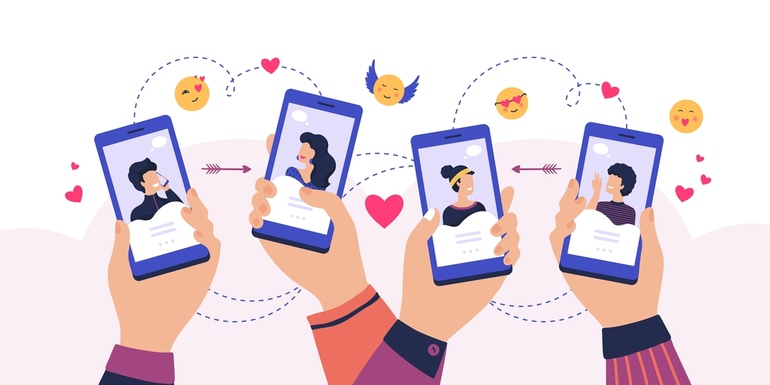
In an increasingly interconnected world, language has historically posed a significant barrier, especially in international dating. People often found themselves struggling to communicate effectively, relying on cumbersome translation methods to bridge the gap. However, the landscape has transformed dramatically. The advent of AI translation tools has revolutionized communication, enabling millions to forge authentic connections across linguistic divides. This shift is not only affecting dating but is also reshaping how music is shared and understood globally.
Listeners can now access the meaning behind foreign music almost instantaneously, fostering a deeper appreciation for diverse cultures. Music is no longer perceived as exotic; instead, it becomes a shared experience. If you’ve ever attempted to meet Ukrainian brides or women from various countries, you may have unconsciously witnessed this cultural shift.
What “Real-Time Translation” Actually Means Now
The term “real-time translation” has evolved significantly. In the past, it referred to a frustrating process: type a message, wait for a robotic translation, and then struggle to convey your thoughts. Today’s AI translation systems have changed the game. Advanced engines like DeepL, Google Translate’s neural engine, and enhanced versions of Microsoft Translator do more than translate words; they grasp context, tone, and even humor.
This is crucial for meaningful interactions. Humor and flirtation are nuanced elements that don’t translate directly and can lead to misunderstandings. A flat, literal translation of a warm message can make you appear distant or overly formal. Modern AI systems prioritize what linguists term “pragmatic meaning,” ensuring that crucial nuances are preserved—very important in dating contexts.
The Tools People Are Actually Using
While numerous translation tools are available, only a select few have gained widespread trust among users. Each platform offers different strengths, particularly in accuracy and natural-sounding translations.
DeepL
DeepL consistently ranks as the most accurate neural translator, excelling in languages such as German, French, Polish, Ukrainian, and Romanian. Its capability to capture nuances makes it a go-to choice for professional translators. DeepL is exceptionally effective for written chat messages and offers a free basic service, with a Pro tier available for document translation and customizable API integration.
Google Translate with Conversation Mode
Google’s Conversation Mode allows two users to engage in dialogue using their phones, with the app providing vocal translations. While not flawless—accents and background noise can create hiccups—this tool markedly enhances communication, transforming awkward silences into genuine conversations. Even imperfect translations showcase your effort and commitment, which can significantly strengthen connections.
iTranslate and SayHi
These tools emphasize voice communication, especially SayHi, which excels in capturing the natural flow of spoken language. This makes them particularly practical during voice or video calls, as typing mid-conversation can be cumbersome.
Platform-Embedded AI Chat
Several major international dating platforms have embedded translation directly into their chat interfaces. This integration simplifies communication by providing automatic message translations in the recipient’s language. Users can write in their natural style without the hassle of copying and pasting, leading to longer, more meaningful conversations.
Beyond Words: AI Communication Features You Might Not Know About
AI technology encompasses more than just translation. It can analyze tone and convey deeper meanings, enhancing digital interactions.
Tone Analysis
Many dating apps now incorporate real-time tone analysis, providing users with insights into how their messages might be perceived. This tool helps clarify messages that could come off as aggressive or too formal, which is particularly valuable in cross-cultural communication.
AI Writing Assistants for Profiles and Messages
Tools like ChatGPT, Claude, and Gemini are popular among users for crafting initial messages and profiles. This is beneficial for those communicating outside their native language, allowing them to express their true personalities without losing nuance in translation. Authenticity need not be a concern; editing to present oneself clearly is a common practice in writing.
Video Call AI Subtitles
Live subtitles have significantly improved video conferencing communication. Platforms like Google Meet and Zoom provide real-time captions in multiple languages, making them invaluable for couples with differing language skills. Observing subtitles while speaking enables listeners to focus on intonation and emotion rather than struggling with pronunciation.
What AI Still Gets Wrong
Despite advancements, AI still struggles with emotional nuances. Phrases rich in cultural affection, such as “my little sun” in Ukrainian, can sound odd or disconnected when translated into English. Furthermore, cultural references and idioms can baffle AI, highlighting the importance of human understanding in successful communication.
AI’s statistical nature sometimes leads to inaccuracies; its guesses are based on patterns rather than cultural familiarity. Additionally, a completely smooth communication process may lack the warmth that arises from shared laughter or understanding, which can help forge deeper connections.
How These Tools Are Changing Who Connects With Whom
The rise of AI translation has democratized international dating. Previously, successful cross-language relationships often required at least one partner to be fluent in a shared language, typically English. Nowadays, couples are forming across linguistic divides that once felt insurmountable. An individual in Ohio and a woman in Kharkiv—each with perhaps just 200 shared English words—can connect. Similarly, someone in Seoul may build a bond with a partner in Buenos Aires, leveraging video calls and subtitle tools. This shift is revolutionary in historical context; the infrastructure for such connections was nonexistent a decade ago. Whether these relationships are more or less stable compared to those formed between fluent speakers is still debated.
The available data does not yet offer conclusive insights. The effort facilitated by AI tools may lead to new challenges, such as navigating cultural norms and adjusting expectations within partnerships. The wall of language has shifted rather than disappeared, a phenomenon also reflected in the music industry. While access to music has become easier, mastering its emotional and cultural layers has become the new challenge. This persistent struggle offers a different kind of engagement, encouraging deeper listening and understanding.
Practical Advice for Using AI Translation in Dating
Don’t Over-Correct Your Voice: Use translation tools but ensure the output reflects your authentic voice. If it sounds too different, make adjustments for clarity without losing your identity.
Mention It: Communicate that you are using translation tools; this doesn’t imply weakness. Stating, “I’m using DeepL to communicate my feelings” often enhances the dialogue.
Use Voice Tools for Casual Calls: Text translation excels for written communication, but live subtitle tools are more effective during video calls.
Learn Ten Words: Knowing a few words in your partner’s language—like greetings or expressions of appreciation—can significantly enhance your connection and show your commitment.
Cross-Check Important Messages: For emotionally significant communication, run your message through multiple translation tools. Comparing outputs can help identify any major discrepancies and lead to a simpler, clearer message.
FAQ
As we explore the role of technology in human connections, a crucial question arises: can AI effectively convey the tone, emotion, and intent necessary for meaningful conversations?
Q: Are AI Translation Tools Accurate Enough for Serious Relationship Communication?
A: For general messages and conversations, yes, modern neural tools provide high accuracy for common language pairs. However, culturally sensitive content may still require human validation.
Q: Which AI Translation Tool is Best for Dating Apps?
A: DeepL is highly regarded for European languages, while Google Translate’s Conversation Mode is effective for live interactions. Platform-embedded tools are often the simplest to use.
Q: Can AI Translation Replace Learning a Partner’s Language?
A: AI tools can assist in the early stages, but long-term relationships benefit from at least partial language learning. These tools should be viewed as transitional aids.
Q: Do Dating Platforms Use AI Translation in Their Messaging Systems?
A: Yes, many large global dating sites are currently integrating real-time AI translation into their chat systems for seamless communication.
Q: Is it Dishonest to use AI to Help Write Messages in a Language You Don’t Speak Well?
A: Using AI for translation is no more dishonest than consulting a dictionary. The aim is clear communication rather than deception. Being transparent about your use of these tools is typically beneficial.
Q: What Languages Does AI Translation Handle Best?
A: Languages like English, Spanish, French, German, Portuguese, Japanese, and Chinese are handled with great accuracy. Meanwhile, Ukrainian, Polish, and other Eastern European languages have seen substantial improvements in recent years.
As technology continues to evolve, the way we communicate and connect across cultures will undoubtedly become richer and more nuanced. Whether in the realm of dating or music, our ability to understand one another is expanding, giving rise to new opportunities for connection and collaboration.