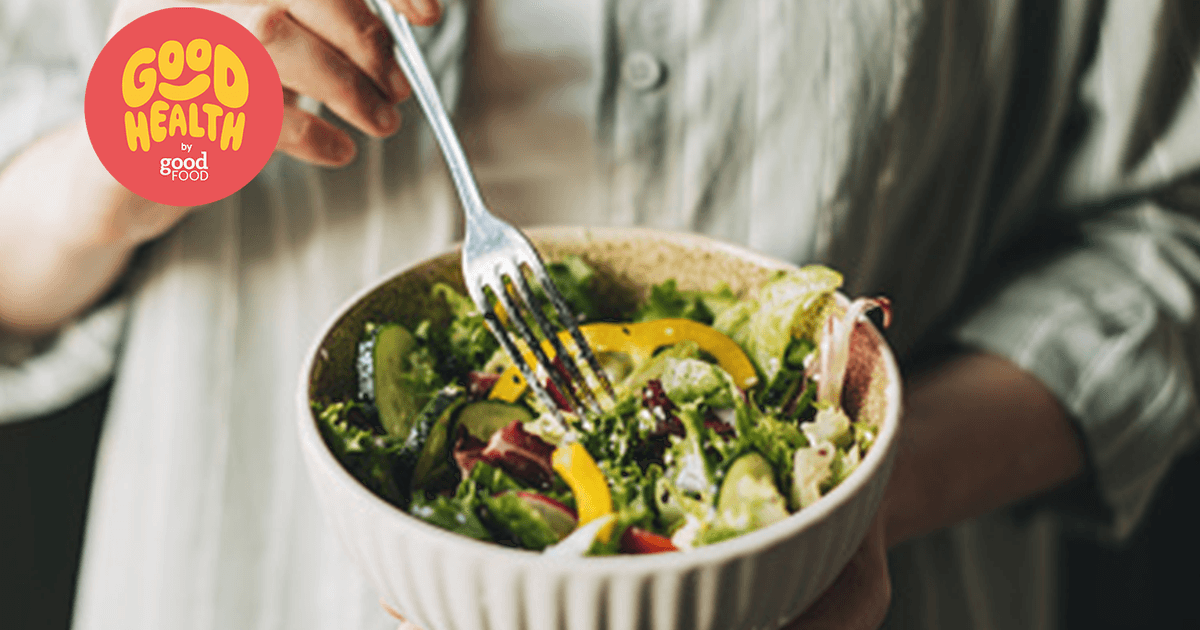
Intuitive eating is a holistic approach developed in the United States, designed to foster a healthier relationship with body image. Rather than being a structured diet, it serves as a versatile framework. Central to its philosophy is the idea that all foods can be part of a balanced lifestyle, encouraging individuals to discard the concept of ‘good’ and ‘bad’ foods.
History of Intuitive Eating
The term “intuitive eating” was first introduced in 1995 by dietitians Evelyn Tribole and Elyse Resch in their book of the same name. However, the roots of the concept extend back further. Notable early figures like Susie Orbach, whose book Fat is a Feminist Issue was published in 1978, and Geneen Roth, who has explored emotional eating since 1982, paved the way for this approach.
Explore our extensive health guides, from conversing with your teenager about food to body image during pregnancy.
What is Intuitive Eating?
Intuitive eating encourages you to listen to your body. This means eating only when you’re hungry and stopping once you feel satisfied. Practitioners emphasize the importance of distinguishing between physical hunger and emotional cravings.
- Physical hunger: Recognized through signs such as a growling stomach or feelings of irritability, which diminish once you eat.
- Emotional hunger: Triggered by feelings such as loneliness or boredom, and often leads to cravings that food cannot resolve.
By fostering an understanding of these cues, you’re better equipped to make thoughtful decisions about when and what to eat.
How to Practice Intuitive Eating
According to Tribole and Resch, there are ten foundational principles to guide your journey:
1. Reject Diet Mentality
Let go of the idea that diets or restrictions will guarantee quick weight loss. Intuitive eating prioritizes cultivating trust in your body’s instincts.
2. Honour Your Hunger
Respond to early hunger signals. Delaying your meals can lead to unhealthy food choices and overeating. Tune in to your body’s needs to rebuild trust in your eating habits.
Explore how to manage your appetite.
3. Avoid Categorizing Food
Instead of labeling foods as ‘good’ or ‘bad’, listen to your body’s requirements, which helps reduce urges for ‘forbidden’ foods.
4. Challenge Negative Thoughts
If you find yourself engaging in negative self-talk or tallying calories, confront those thoughts. Remarks like feeling ‘good’ for staying under your calorie limit or ‘bad’ for indulging in sweets aren’t beneficial.
5. Make the Most of Mealtimes
Relish the experience of eating by enjoying both the food and the atmosphere. This fosters a sense of contentment and satisfaction.
6. Stop When You’re Full
Listen to your body’s signals for fullness just as attentively as you do for hunger.
7. Manage Emotional Eating
While food may temporarily alleviate emotions, it is not a long-term solution. Recognize when you’re eating for emotional reasons and find alternative coping mechanisms, like walking, journaling, or meditation.
Check out six tools to manage stress and ten lifestyle tips for stress management.
8. Show Yourself Some Respect
Embrace and respect your body in all its shapes and sizes.
Learn more about weight and body fat facts.
9. Move More
Stay active and focus on how movement feels rather than tracking calories or steps. Explore ways to incorporate physical activity into your daily life.
10. Balance Nutrition with Enjoyment
Healthy eating doesn’t mean perfection. Enjoying food that satisfies both your health and taste buds is essential. Remember, one snack or meal won’t derail your wellness; it’s about overall habits over time.
Are Intuitive and Mindful Eating the Same?
No, intuitive and mindful eating are distinct practices. Although intuitive eating incorporates some mindfulness elements, both approaches can benefit those grappling with extreme dieting or binge eating.
In essence, mindfulness emphasizes living in the moment and savoring the flavors and textures of your food. On the other hand, intuitive eating focuses on using innate instincts and physical cues to determine when and what to eat.
Discover more about mindful eating.
Can You Lose Weight by Eating Intuitively?
While intuitive eating is not designed specifically for weight loss, it promotes a mindful approach to food that might naturally lead to more organized eating habits. This could result in weight loss for some individuals, but advocates emphasize that calorie counting or obsessively selecting low-fat options contradicts the core principles of intuitive eating.
This approach is not a temporary solution but a long-term strategy to transform your relationship with food while becoming more attuned to your physical hunger and fullness cues. There are no specific guidelines or recipes; instead, it encourages behaviors that reshape your perspective on food.
Is Intuitive Eating Healthy? Our Nutritionist’s View
Intuitive eating presents a refreshing alternative to conventional dieting, focusing on reconnecting with your body’s natural hunger and fullness sensations. This mindset encourages a healthier relationship with food rather than serving solely as a weight loss strategy. Nonetheless, research shows a consistent link between intuitive eating and lower body mass index, along with enhanced psychological wellbeing.
Who Shouldn’t Follow Intuitive Eating?
While intuitive eating can benefit many, individuals with active eating disorders, certain medical conditions (such as celiac disease, type II diabetes, high blood pressure, or specific food allergies), and those needing to gain weight or follow strict dietary guidelines should consult a healthcare professional before adopting this approach.
Thinking of trying intuitive eating? We’d love to hear about your experience in the comments below!
Read More…
A Balanced Diet for Women
A Balanced Diet for Men
How Talk Therapy Supports Gut Health
Five Ways Food Affects Your Brain
Top 10 Mood-Boosting Foods
This page was reviewed on 16 June 2025 by Kerry Torrens.
Nicola Shubrook is a qualified nutritionist registered with the British Association for Nutrition and Lifestyle Medicine (BANT) and the Complementary & Natural Healthcare Council (CNHC). Learn more at urbanwellness.co.uk.
All health content on goodfood.com is intended for informative purposes only and should not replace medical advice from your healthcare provider. If you have any health concerns, consult your local healthcare professional. For more information, please see our terms and conditions.