(NewsNation) — In a competitive landscape, fast food chains are emphasizing customizable beverages like refreshers and “dirty sodas,” viewing them as lucrative offerings.
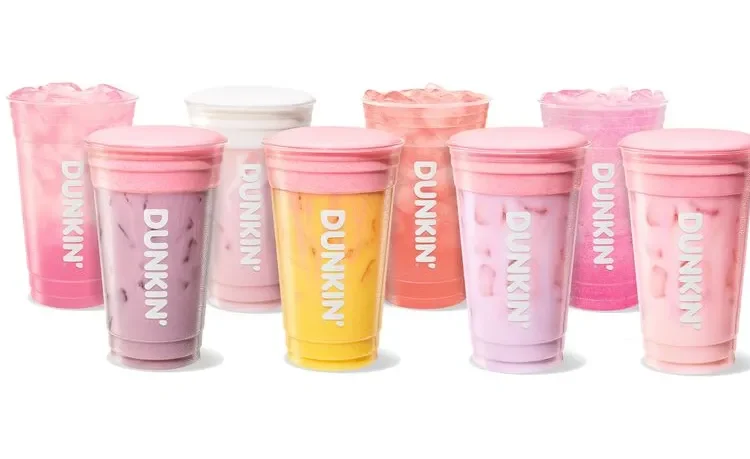
Dunkin’ recently unveiled its summer drink lineup, featuring colorful refreshers alongside its innovative dirty soda, a blend of coffee milk, Pepsi, and sweet cold foam.
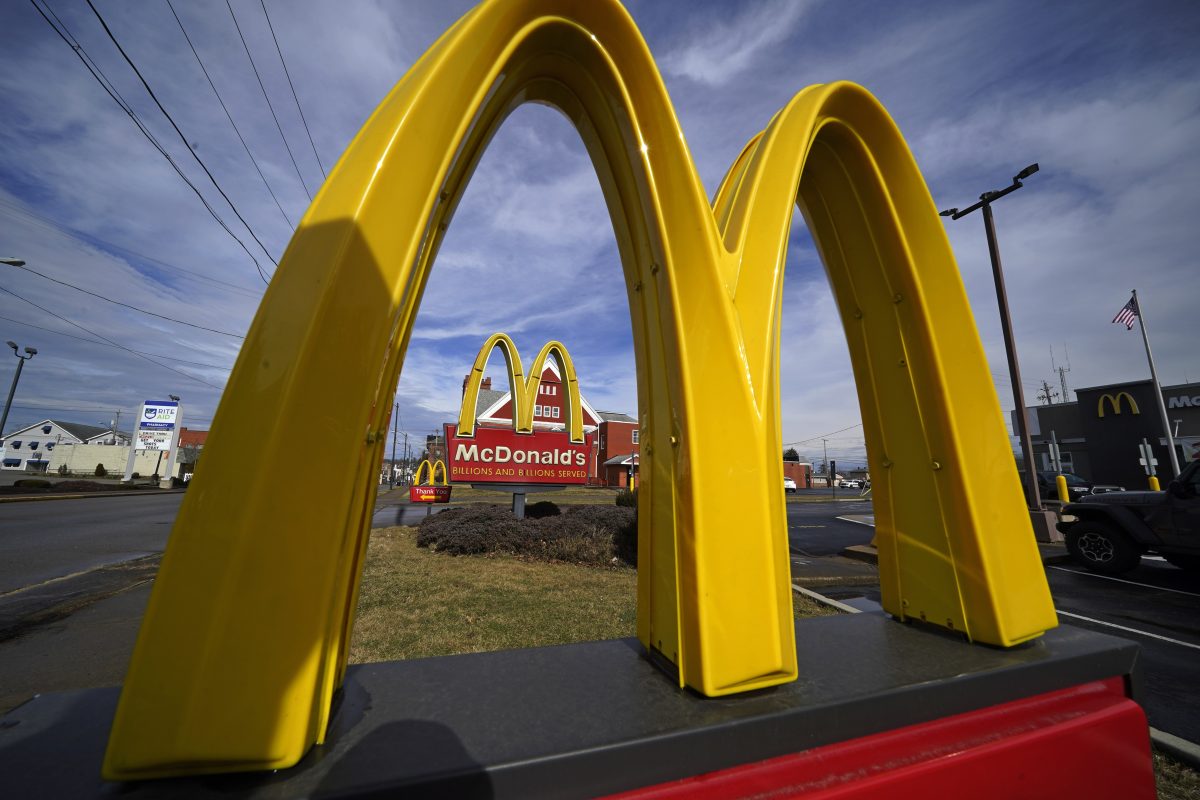
McDonald’s is also jumping on the trend by launching six specialty drinks next week, aiming to make beverages a significant draw for customers.
“In the near future, our beverages will not only attract customers to McDonald’s but will be the primary reason to visit,” stated Alyssa Buetikofer, chief marketing and customer experience officer at McDonald’s USA, in a recent announcement.
This strategy has evolved over several years, as CEO Chris Kempczinski identified specialty beverages as a $100 billion category with advantageous profit margins during a late 2023 investor update.
Chick-fil-A, Taco Bell, and Wendy’s have also enhanced their beverage selections to keep pace with this growing trend.

What’s driving the specialty beverage push?
Fast food chains are promoting refreshers and “dirty sodas” as customizable options that extend beyond the standard soda fountain. However, the motivation behind this push is fundamentally economic.
Beverages generally offer higher profit margins than food items, a factor that has become increasingly significant due to soaring ingredient costs that are pressuring restaurant profitability.
Moreover, specialty drinks can command higher prices than traditional beverages. For instance, a 16-ounce Mango Strawberry Energy Refresher at a Chicago Starbucks costs $5.95 before tax, while a similar-sized drip coffee is only $3.65.
At Dunkin’, a medium Mango Pineapple Limeade Refresher is priced at $5.39 before tax, compared to an original blend coffee costing $3.19.
Specialty drinks also serve as effective marketing tools, featuring bright colors and unique flavors designed to attract attention on social media. The rise of “dirty soda” has gained momentum due, in part, to viral trends on platforms like TikTok and references from popular culture.
Energy drinks and cold specialty coffee are leading trends across beverage types, particularly among younger consumers, as highlighted in Technomic’s latest Beverage Navigator report.
How refreshers and ‘dirty sodas’ went mainstream
Refreshers, which vary among different chains, are typically bright, fruity cold beverages that may contain caffeine.
Starbucks popularized this beverage category in 2012, aiming to attract customers during non-traditional coffee-drinking times. This initiative was successful, and the company reports that its refresher segment has grown into a lucrative “$2 billion platform.”
“This category is undeniably attractive, and we’re not alone in recognizing its potential,” remarked Charlie Newberger, head of beverages and desserts at McDonald’s, in a recent interview with The New York Times. “It’s a large and burgeoning market that resonates well with younger customers.”
Dirty soda—a mix of soda, cream, and flavored syrups—originated in Utah as a fun alternative to coffee, which is generally avoided by a portion of the population.
The Utah-based chain Swig played a pivotal role in bringing dirty soda into mainstream popularity, expanding to over 100 locations across 16 states. This success has captured the interest of major fast-food chains, which are now entering the dirty soda market.
While fast food specialty drinks are trendy, they may not always be the healthiest choice.
A medium dirty soda from Dunkin’ contains 320 calories and 59 grams of sugar, while its Cherry Lime Rickey Refresher has 220 calories and 53 grams of sugar.
Key Takeaways
- Fast food chains are focusing on customizable drinks as a major profit center.
- McDonald’s and Dunkin’ are introducing new specialty beverages to attract customers.
- Higher profit margins and rising ingredient costs drive the focus on drinks.
- Vibrant visuals and unique flavors increase brand engagement, especially on social media.
- The popularity of dirty sodas largely stems from cultural trends and influencer promotions.
- Despite their appeal, specialty drinks may carry high calorie and sugar content.
FAQ
What are dirty sodas?
Dirty sodas are mixed drinks typically made with soda, flavored syrups, and sometimes cream, offering a dessert-like taste experience.
Why are beverages more profitable than food at fast food chains?
Beverages usually have higher marks up due to lower ingredient costs and greater demand for variety and customization.
How have refreshers gained popularity?
Refreshers became popular through companies like Starbucks, leveraging unique flavors and bright colors to attract customers, particularly younger demographics.
Are specialty drinks health-conscious options?
Generally, specialty drinks can be high in sugar and calories, making them less healthy than other drink alternatives.
In conclusion, as fast food chains continue to innovate with their beverage offerings, they not only cater to consumer preferences but also enhance their profitability. By incorporating trendy drinks into their menus, these companies are tapping into a growing market that appeals to a younger generation.