
Nutritional supplements have surged in popularity, yet skepticism persists among experts regarding the various health claims associated with these products and their potential risks at higher doses. Recent research from Chinese scientists raises questions about omega-3 supplements, particularly their effects on brain health among older adults with certain genetic predispositions.
Omega-3 is commonly taken by older individuals aiming to safeguard cognitive function. However, new observational findings indicate that these supplements might inadvertently accelerate cognitive decline in those with genetic markers associated with Alzheimer’s disease.
This study mainly involved White, educated older adults, so its implications should be approached cautiously, according to the researchers. The results do not definitively establish that omega-3 supplements directly cause cognitive decline; however, they underscore the complexity of understanding both the benefits and potential drawbacks of this widely used supplement.
The authors, led by researchers from the Army Medical University in China, challenge the conventional perspective that omega-3 is universally beneficial. They emphasize the necessity for a more nuanced evaluation of its use for cognitive protection. From a clinical and public health standpoint, their findings indicate the need for further investigation.
Although various observational studies suggest that omega-3 fatty acids may have protective effects on the brain, more rigorous clinical trials have produced mixed outcomes.
While it appears that certain unsaturated fats contribute positively to overall health, it remains a topic of debate whether taking additional omega-3 supplements genuinely benefits brain function across different populations.
Numerous randomized controlled trials have failed to demonstrate that omega-3 supplementation positively influences cognitive decline in Alzheimer’s patients.
The study examined health data from the Alzheimer’s Disease Neuroimaging Initiative (ADNI), which included over 800 participants, approximately half of whom carried the APOE ε4 gene risk factor for dementia. Results indicated that those taking omega-3 supplements experienced a more rapid cognitive decline compared to non-supplement users.
In particular, ADNI participants who consumed omega-3 reported a quicker drop in scores on the Mini-Mental State Examination (MMSE), a test designed to assess memory, attention, and language skills.
Remarkably, these cognitive declines did not correlate with the presence of core Alzheimer’s biomarkers in the brain, such as plaques or tangles. Furthermore, there was no association with a loss of gray matter.
Instead, the cognitive declines appeared to be related to alterations in neuronal synaptic function. The authors suggest that omega-3 supplementation could, in certain contexts, detrimentally affect synaptic integrity, counteracting its short-term advantages.
“This insight calls for a more nuanced understanding of the role of omega-3 in the aging human brain — moving beyond a simplistic protective-versus-ineffective framework,” the authors explain.

The research team believes there may be an optimal level at which omega-3 provides benefits, suggesting that supplementation requires a “delicate balance” to weigh its advantages against potential drawbacks.
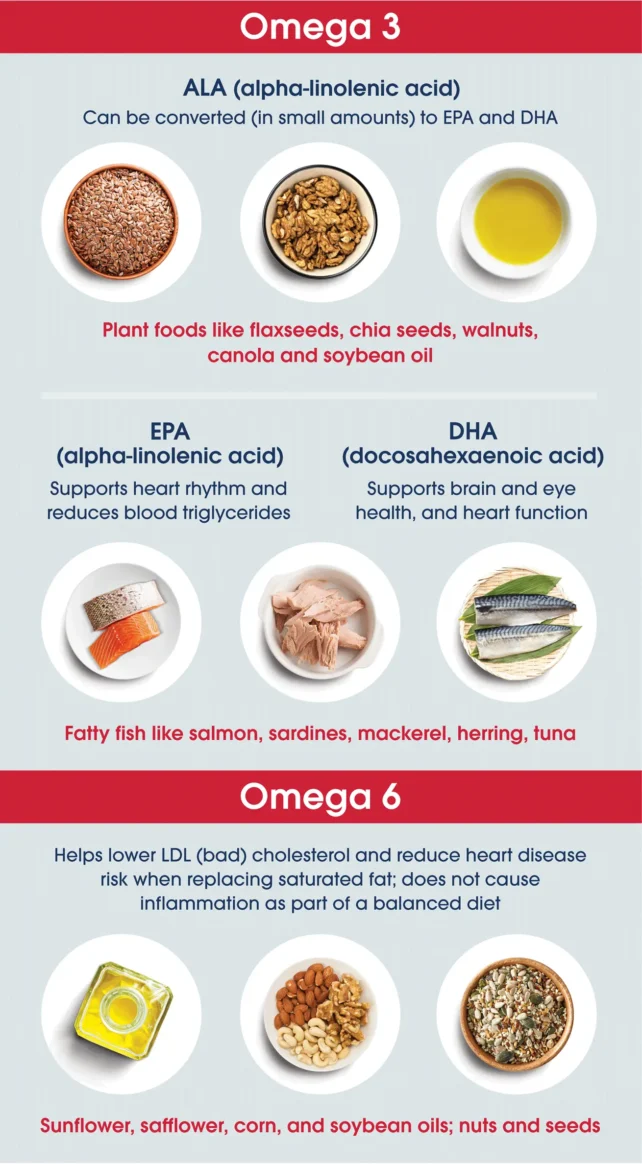
Excessive intake, they caution, could lead to negative effects such as increased oxidation in the brain or even exacerbate underlying health issues. Instead, when omega-3 levels are inadequate, it is often recommended that individuals increase their intake of whole foods rich in omega-3, as these natural sources may offer additional benefits and are less likely to lead to excessive consumption.
A systematic review from 2025 found that low-dose omega-3 supplements may enhance cognitive function, but those exceeding 1,500 mg per day could negate these benefits in some individuals.
Related: Taking Too Much Vitamin D Can Backfire, Scientists Warn
The takeaway is evident: additional research is necessary before omega-3 supplements can be reliably recommended for brain health. The authors emphasize that future studies should focus on the dose-dependent, context-dependent, and time-dependent dynamics that might underlie both the benefits and risks of omega-3 supplementation.
The findings were published in The Journal of Prevention of Alzheimer’s Disease.