The term ‘fridge cigarette’ may not seem wholly appealing, yet it’s a fitting way to describe some popular beverages that may harm our health. Heart surgeon Dr. Jeremy London has coined the phrase to emphasize his concerns about the dangers of indulging in various soft drinks.
His term, however, raises eyebrows compared to the catchy name ‘liquid death’, which he uses to label these fizzy drinks. Contrary to alcohol, these sugary refreshments are what Dr. London opts to eliminate from his diet to promote better health and longevity.
In addition to fizzy drinks, Dr. London lists items such as alcohol, breads, pasta, refined flours, and wheats among the foods he avoids to maintain his health.
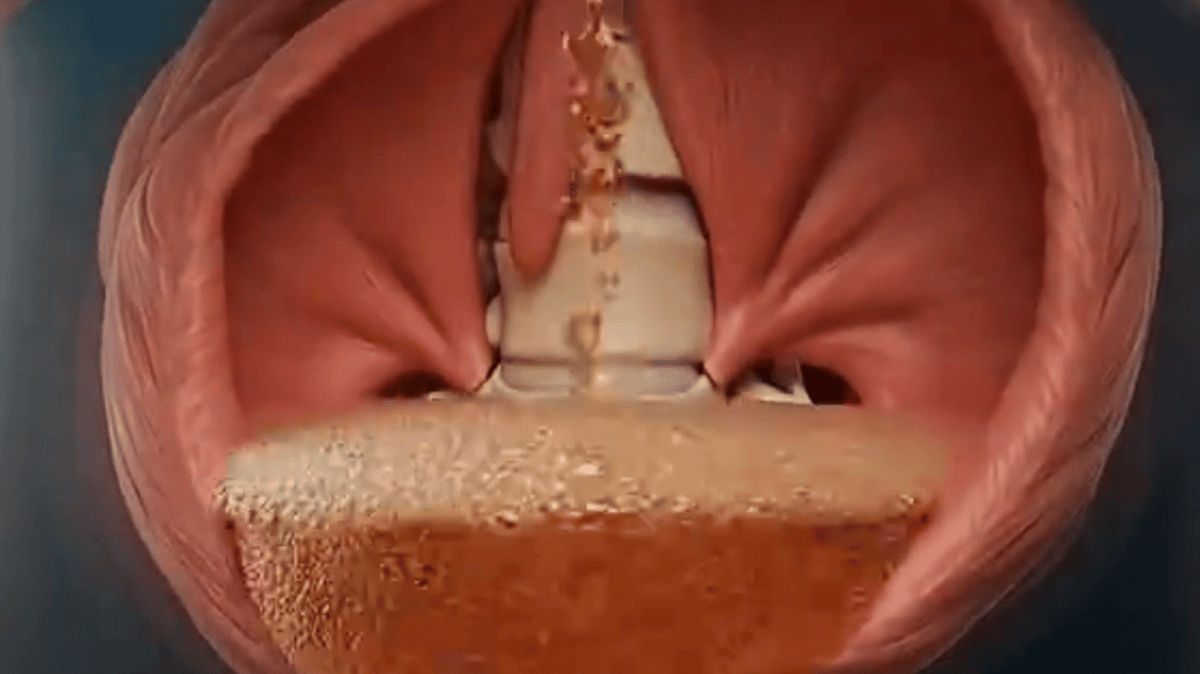
While he acknowledges that some of his comments are intended to provoke thought, a recent simulation reveals the potential impacts of consuming soft drinks.
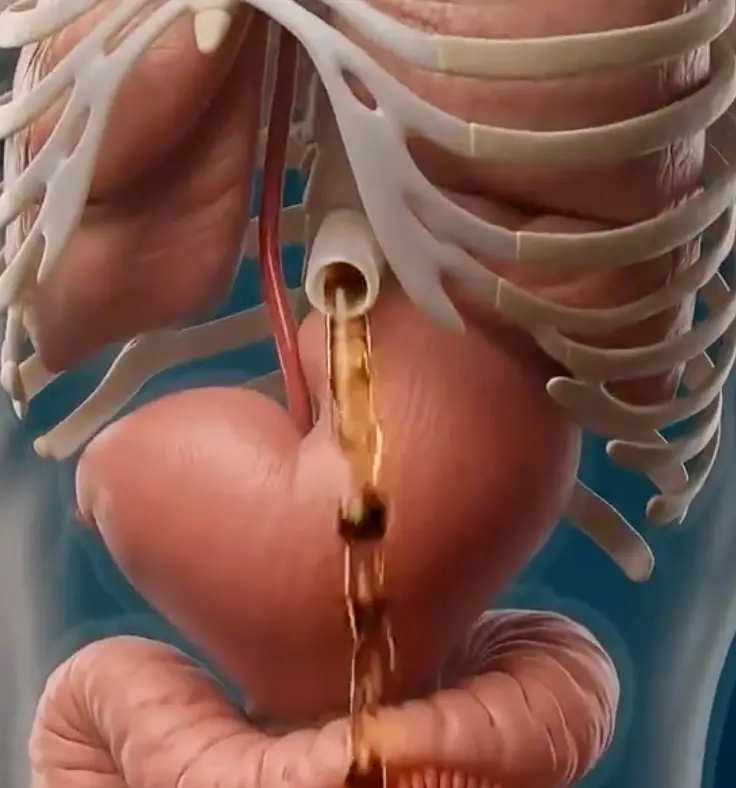
The simulation shows a fizzy drink travelling through the body. (@dr.boogie/TikTok)
The TikTok video illustrates the internal process triggered by consuming a soft drink. It emphasizes that carbonation and liquid form allow fizzy drinks to swiftly descend the oesophagus.
According to the simulation, the bubbles quickly reach the stomach, where “phosphoric acid and caffeine stimulate additional gastric acid production, and the vast amounts of sugar lead to a rapid insulin spike.”
The fizz can cause some individuals to experience bloating or burping, as shown in the simulation’s visuals, which depict the liquid expanding within the body.
Caffeine is absorbed rapidly through the stomach lining, entering the bloodstream within minutes, while the blood sugar levels rise significantly due to high fructose corn syrup present in many of these drinks.
As the simulation continues, viewers learn that the small intestine absorbs additional sugars and caffeine, resulting in a quick burst of energy but potentially leading to crashes later on.
The brain experiences increased alertness, enhanced focus, and elevated dopamine levels due to the caffeine surge. “This stimulation leads to a temporary rise in heart rate and blood pressure,” the video notes, adding that carbonation and acidity may also induce reflux or discomfort for some.
It is essential to recognize that not all soft drinks contain caffeine or sugar, with some options available as caffeine-free or sugar-free.
In the video, Dr. London warns against consuming soft drinks, dubbing them ‘liquid death’ and urging, “Just don’t drink them. Period. Done.”
During an interview with TODAY, he admitted that his provocative stance was intended to garner attention. “I believe that soft drinks are a scourge in our society, and I hoped to draw some focus,” he remarked.
He further noted, “The unnoticed high calorie content inherent in sugary soft drinks is decidedly detrimental.”
Key Takeaways
- Dr. Jeremy London labels soft drinks as ‘liquid death’ to highlight their health risks.
- Fizzy drinks can lead to rapid sugar and caffeine absorption, resulting in energy spikes.
- Excessive consumption may cause bloating, burping, and potential crashes later.
- Not all soft drinks contain caffeine or sugar; some are available in healthier options.
- Dr. London considers sugary beverages a significant societal health issue.
FAQ
Are all soft drinks unhealthy?
Not all soft drinks are unhealthy; some options are caffeine-free or sugar-free.
What are the main concerns with consuming fizzy drinks?
Concerns include rapid sugar and caffeine spikes, potential digestive discomfort, and unnoticed calorie intake.
Why did Dr. London call it ‘liquid death’?
He uses the term to emphasize the harmful effects soft drinks can have on health.
Can soft drinks contribute to digestive issues?
Yes, the carbonation and acidity in fizzy drinks may cause bloating or reflux in some individuals.
Is there any merit to Dr. London’s extreme stance?
His stance is intended to bring awareness to the hidden dangers of excessive soft drink consumption.


