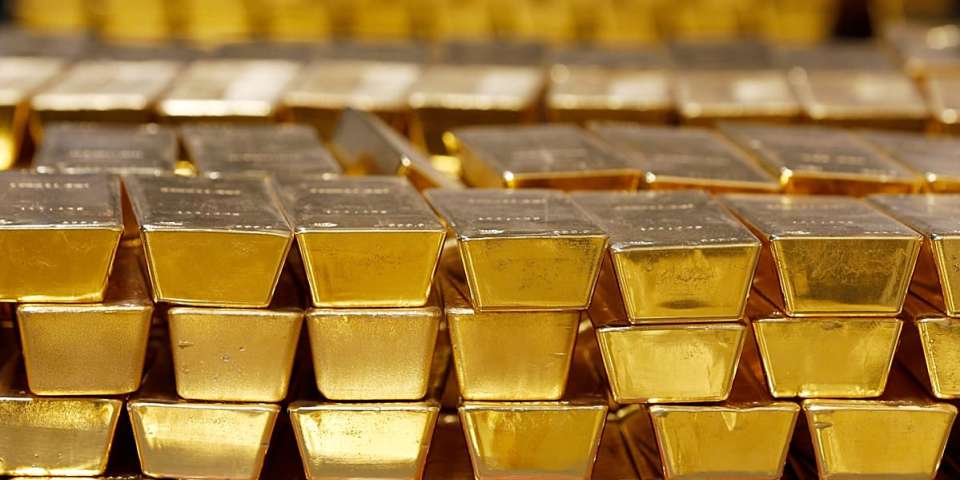
Germany’s Gold Reserves: A Closer Look
Germany boasts the second-largest gold reserves in the world, raising questions about the implications and potential actions surrounding this valuable asset. In this article, we explore the significance of these reserves and whether it’s time to consider cashing in.
Germany’s Gold Holdings
As of now, Germany holds approximately 3,400 tons of gold, second only to the United States. This vast hoard of gold is not just a symbol of wealth; it serves as a safeguard for the nation’s economy.
Historical Context
Gold has been a critical asset throughout history, acting as a safe haven during economic uncertainty. Germany’s gold reserves were accumulated over decades, especially during times of crisis. The legacy of these holdings dates back to the post-World War II era, when rebuilding the nation’s economy was paramount.
The Economic Implications
The question arises: Should Germany cash in some of its gold reserves? Selling a portion of this treasure could yield significant financial resources for various purposes, especially in financing long-term projects or addressing contemporary economic challenges.
Considerations for Selling
- Market Conditions: Before making a decision, the current state of the gold market must be analyzed. Gold prices fluctuate, and timing is essential for maximizing returns.
- Strategic Goals: Any decision to sell should align with Germany’s broader economic strategy, focusing on long-term growth and sustainability.
- Public Sentiment: The public might have strong feelings regarding the sale of national gold reserves, and any discussions should be transparent to maintain trust.
Conclusion
Germany’s gold reserves are not only a financial asset but also a symbol of stability and security. While there may be potential benefits to cashing in, careful consideration of economic conditions, strategic goals, and public opinion is crucial. Ultimately, this treasure serves as a reminder of the nation’s resilience and its proactive approach to navigating future challenges.