Recent advancements in AI have paved the way for scammers to replicate dealership websites, ensnaring both unsuspecting buyers and innocent retailers in their deceptive schemes.

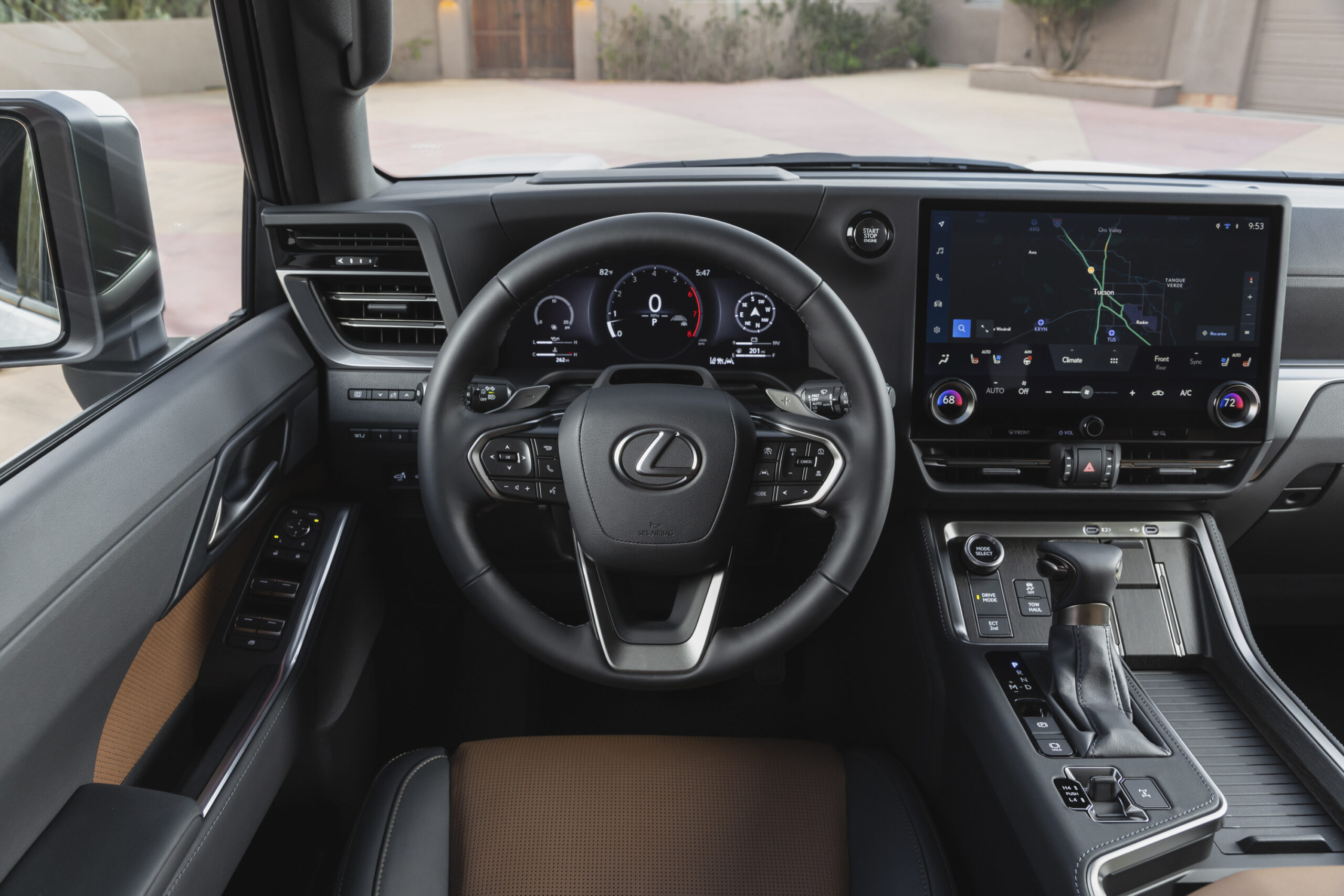
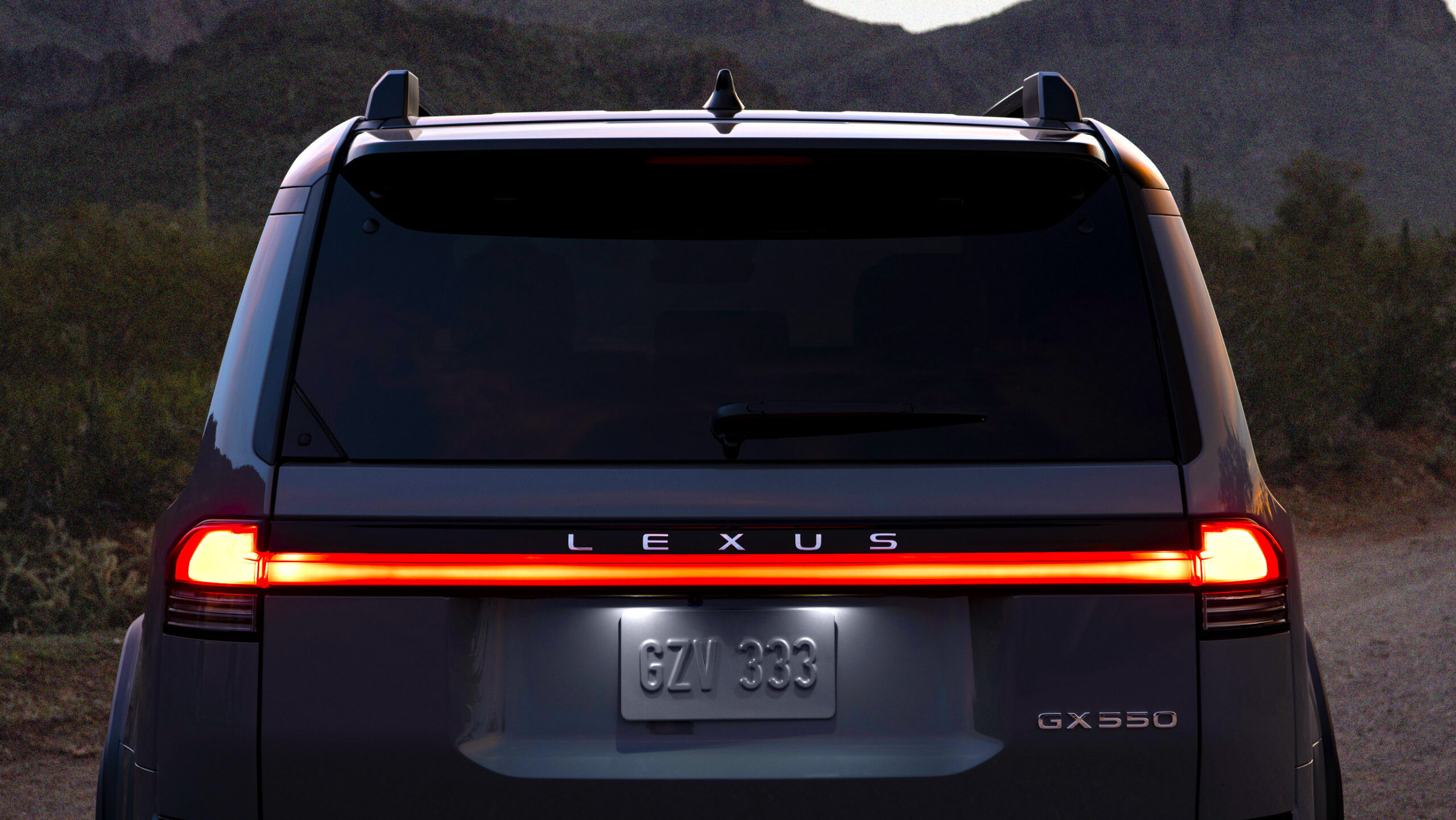
- A buyer transferred $77,300 for a Lexus GX 550 that turned out to be nonexistent.
- The dealership he held responsible was legitimate but completely uninvolved.
- AI-driven cloning scams are increasingly targeting both consumers and retailers.
Losing substantial amounts of money to a scam often unfolds gradually. In a recent incident from North Carolina, a man lost over $77,000 after paying for a Lexus GX 550 that never existed. His experience reflects a broader trend occurring across the United States, where scammers utilize AI technologies to fabricate dealership websites and exploit consumers.
More: Police Issue Warning About Alarming New Scam Using AI Videos of Your Car
As reported by Autonews, the victim communicated with someone impersonating a representative of T&T Vehicle Sales, a genuine used-car dealer, over a span of approximately ten days. The scammer supplied convincing photographs, details, and documents designed to foster trust. After the buyer sent the $77,300, communication abruptly ceased.
Increasingly Convincing Fake Dealer Websites
This incident is far from unique. Reports have surfaced of dealership cloning scams over the past year, and their sophistication is on the rise. Fraudsters are designing complete replica websites for dealerships, featuring inventory, staff photographs, and even AI-generated testimonials. Some scammers provide a “trust kit,” a collection of counterfeit documents such as vehicle reports and additional images, aiming to dispel any doubt on the part of potential buyers.

Experts in the industry estimate these scams are occurring multiple times a week, potentially costing Americans millions each month.
The threat to buyers is apparent. However, dealerships are also becoming victims. When individuals realize they’ve been scammed, they often vent their frustration on platforms like Google or Yelp, mistakenly leaving negative reviews for legitimate dealerships. In some instances, these dealers resort to law enforcement to clear their names. Smaller dealerships, in particular, are increasingly targeted, as they are often seen as easier prey for scammers.
How to Verify Dealerships
Creating convincing websites has become incredibly simple, thanks to AI, particularly for smaller dealers with limited online presence. This means buyers need to exercise greater caution when engaging in transactions that are not in-person. A sleek website, quick responses, and seemingly official documents are no longer sufficient indicators of trustworthiness.
To verify a dealership, experts recommend going beyond online appearances. Phone calls to listed numbers, thorough checks of URLs, and skepticism towards any requests for quick payments or wire transfers are vital. In the era of AI, even exemplary service can serve as a red flag instead of a sign of a reputable business.

The rise of sophisticated scams utilizing AI technology underscores the essential need for consumers to be vigilant when engaging in online transactions. By taking additional steps to verify the legitimacy of dealerships, buyers can reduce the likelihood of falling prey to such fraudulent schemes and protect their hard-earned money.