
How many eggs have you consumed this week? Perhaps an omelet for breakfast, a hard-boiled egg for lunch, and some shakshuka for dinner. Eggs are a staple in Israeli cuisine. Their prevalence in our diets often leads us to believe we know everything there is to learn about them.
However, many common perceptions about eggs are simply incorrect. Initially, we were warned about their cholesterol levels, later praised for their protein content, and now trends suggest we can consume them without limits. So, how many eggs can we genuinely eat? What’s factual, and what’s merely myth?

To clarify these uncertainties, let’s revisit the basics: what exactly constitutes an egg, and why is it an integral element of our diet?
“Overall, eggs are a nutritious food,” states Dr. Sigal Frishman, head of the Nutrition Department at Beilinson Hospital and chief dietitian for Clalit hospitals. “We advocate for the consumption of minimally processed foods, and eggs fit this description well. They provide all essential amino acids as well as other beneficial components like choline, which is vital for optimal nervous system function, along with B vitamins.”
Let’s examine the perennial question that has sparked debates for decades: How many eggs are too many?
For years, the guideline of “up to two eggs per day” was widely accepted, primarily due to concerns over cholesterol in the yolk. However, contemporary understanding reveals a more nuanced reality, shifting the focus from strict numbers to the broader nutritional picture.
“Firstly, the egg yolk contains fat, and along with it, cholesterol,” Frishman explains. “In the past, the consensus was to limit egg intake due to high cholesterol levels; however, the narrative has evolved.”

Frishman notes that most of the cholesterol in our blood is synthesized by the liver rather than coming from our food intake.
“Nutrition generally affects only about 30% of our blood cholesterol levels. The remaining 70% is produced by our bodies. When is there an increase in production? Mainly when we lead sedentary lifestyles, are overweight, and consume unhealthy foods. Therefore, eggs shouldn’t be blamed for elevated cholesterol levels.”
Nonetheless, this doesn’t imply that eating an excessive number of eggs is beneficial.
“Currently, the trend emphasizes a plant-forward diet, which includes more plant-based proteins. This is advocated by the Mediterranean diet as well as the Health Ministry’s dietary recommendations,” Frishman adds.
In this framework, eggs hold a significant role, yet not a central one.
“The Health Ministry categorizes poultry and dairy products in the orange section of its food rainbow, one level below red. In the Mediterranean diet, plant-based options rank highest, followed by fish, and then eggs, yogurt, and poultry. There is no recommendation to consume eggs more frequently than a few times a week; it is crucial to diversify protein sources, including plant proteins and fish.”
So how many eggs should one consume daily? There is no universally agreed-upon answer here either.
“I can’t confirm any established organizations suggest consuming more than one egg per day. However, some dietitians guide people towards a lower carbohydrate intake, emphasizing vegetables and proteins, which can create a safe environment for consuming two eggs daily. Beyond that? I’m not aware of any such recommendations.”
Ultimately, it’s important to recognize that eggs are not a food to be consumed without moderation.
“Can you consume eggs freely? No, definitely not. I wouldn’t say it’s hazardous, but I do advocate for adherence to the Mediterranean diet: more plant-based foods and less from animal sources. It’s essential to limit the latter to fewer portions.”
Limor Tal-Poni, chief dietitian at Maccabi Health Services, echoes this shift in perspective but highlights another crucial point that has gained prominence in recent years: One-size-fits-all recommendations are becoming outdated.
6 View gallery

Limor Tal-Poni, chief dietitian at Maccabi Health Services
(Photo: Maccabi Health Services)
“Historically, recommendations have often restricted egg consumption. We are now shifting toward a more personalized approach, where advice varies for different populations,” she states. “What is suitable for one person may not be suitable for another.”
Tal-Poni explains that these recommendations are adjusted based on an individual’s health status.
“For a healthy population, up to one egg per day is deemed safe and does not increase the likelihood of cardiovascular diseases.”
However, for those at risk, caution is advised.
“For individuals with type 2 diabetes, we recommend limiting egg consumption to three or four per week, as this has shown associations with higher disease risk for that demographic.”
What about those with elevated cholesterol levels? Here, the narrative becomes more intricate.
“There isn’t a definitive recommendation; rather, the discourse centers around moderate consumption. Generally, bad cholesterol levels are influenced more by saturated fats than by eggs. Thus, enjoy moderate consumption of up to one egg daily, while prioritizing proteins from sources like legumes, nuts, and whole grains.”
In conclusion, the consensus emphasizes that individual consultations with a registered dietitian are vital after examining personal health factors.
“We adhere to the guidelines provided by the American Heart Association and rely on ongoing studies. It’s crucial to consult with a dietitian who can assess your medical history, test results, and dietary habits to provide tailored advice,” she adds.
Understanding that the cholesterol in eggs may not be the villain it was once believed to be, and recognizing that blood cholesterol is regulated by more complex mechanisms in the body, raises another question: What about the yolk itself?
Should we still avoid the yellow part that is predominantly fat? For years, the advice was clear: discard the yolk in favor of the egg whites. Yet, the present-day perspective is evolving.

“Yes, the fat resides in the yolk, but that doesn’t make it any less nutritious,” emphasizes Frishman. “We advocate for consuming the entire egg. While the yolk contains fat, it is also rich in lecithin and choline, both important for our nervous systems. Thus, we recommend enjoying the yolk along with the white.”
Amidst discussions on cholesterol and protein, a simpler daily question arises: How should eggs be prepared?
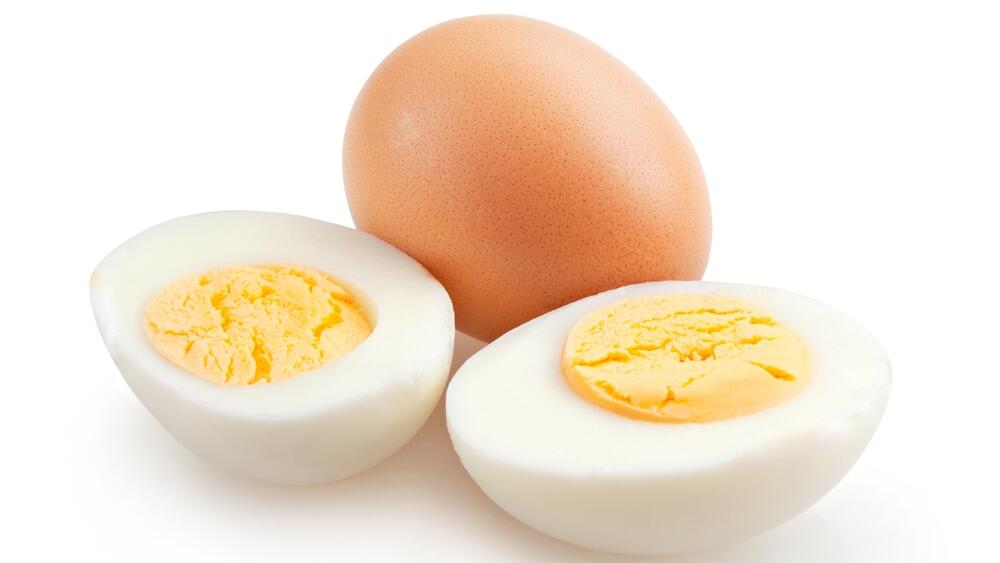
“Clearly, I would suggest that a hard-boiled egg is a better option than an omelet or a fried egg,” Frishman asserts.
Still, she points out an important consideration regarding fried eggs.
“It’s crucial to note that if the yolk is left runny, pregnant women should avoid consuming it due to possible salmonella risks. However, for others with strong immune systems, it poses no significant concern.”
If you prefer preparing omelets or fried eggs, the choice of cooking fat is also crucial. The ongoing debate is not solely about the eggs themselves, but rather what surrounds them: butter, olive oil, or alternatives.
As with the myths surrounding cholesterol, the answers aren’t as straightforward as one might expect, yet general guidance is available.
“We consistently recommend olive oil. Not only is it the healthiest oil, but we also advocate for increasing plant-based nutrition,” Frishman emphasizes. “In contrast, butter has high cholesterol and saturated fats which are less advisable. While tasty, it’s not recommended. On the other hand, olive oil is rich in monounsaturated fatty acids, which research shows supports heart health.”
What about the prevalent belief that olive oil isn’t suitable for frying? Frishman debunks this as a myth.
“It’s untrue that olive oil isn’t good for frying. It has a high smoke point, making it suitable for frying without smoking, which is why it’s recommended for both frying and baking.”

One of the most entrenched myths about eggs is their relation to protein. They have long been seen as essential for those aiming to enhance strength, build muscle, or boost athletic performance. The images of people consuming raw egg whites or enormous omelets have become iconic in fitness culture. But how much of this is grounded in reality?
In reality, while eggs are recognized as a high-quality protein source, they don’t contain as much protein as many assume. When examining daily protein needs, the landscape shifts.
“One egg provides around 6 to 7 grams of protein, depending on its size, which is insufficient. Recommendations for those aiming for a protein-rich diet suggest approximately 1.5 grams for each kilogram of body weight,” Frishman explains.
“For example, consider an average man weighing 80 kilograms. That equates to about 120 grams of protein daily. Six grams is negligible. Among bodybuilders, the figure can climb to 2 grams of protein per kilogram, necessitating greater quantities of eggs, poultry, fish, dairy, and legumes.”