
Creatine supplementation is gaining traction among individuals looking to enhance muscle size and athletic performance.
Although creatine has been studied since the 1830s, its popularity and sales have flourished, reaching beyond bodybuilders and athletes to include various clinical applications and benefits beyond mere muscle performance.
Today, creatine is among the most extensively researched supplements, with emerging findings consistently supporting its use for reliable and measurable results in bodybuilding, fitness, and overall health.
While creatine naturally occurs in foods like red meat and seafood and is synthesized in the body, interest in supplementation has surged, particularly among young males.
This uptick in popularity is largely attributed to young men’s aspirations to increase muscle mass and strength. Numerous meta-analyses have examined the effects of creatine supplementation during resistance training, confirming its efficacy when paired with such training.
In straightforward terms, creatine can help sustain energy levels, especially during short bursts of high-intensity exercise like weight training.
Creatine’s Role in the Body
Physiologically, when introduced into the body, most creatine is stored in the muscles as phosphocreatine (PCr). This storage form plays a crucial role in maintaining energy levels by supporting the production of adenosine triphosphate (ATP), the body’s primary energy currency.
By increasing intramuscular levels of creatine, supplementation may facilitate higher intensity and longer-duration resistance training, resulting in significant gym gains.
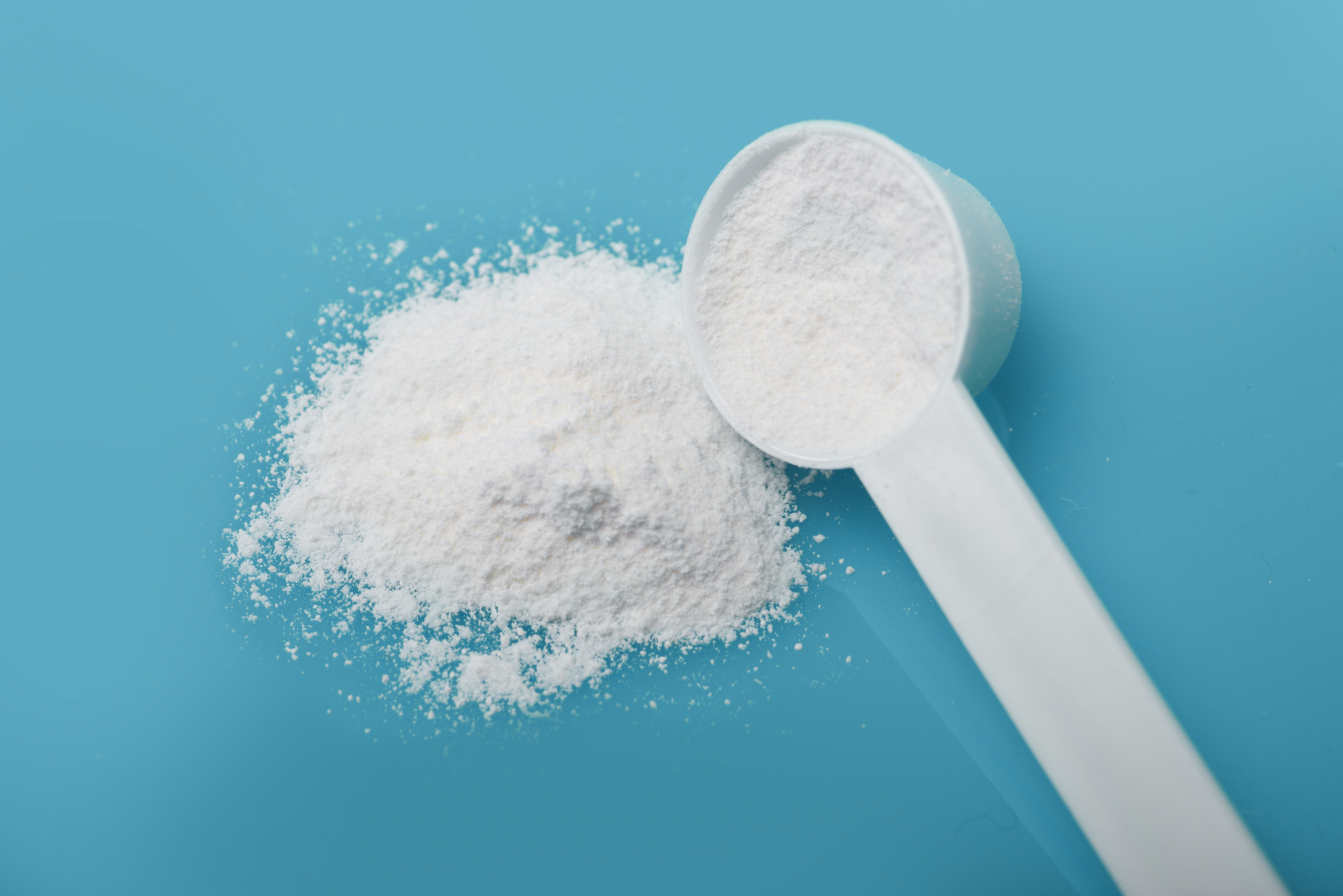
While creatine’s influence on muscle performance is well-documented, it’s worth noting that this is only part of the story.
Research is uncovering creatine’s various benefits beyond the muscular system, including its positive effects on glucose storage and metabolism, blood flow dynamics, anti-inflammatory properties, and cognitive enhancement.
Dosage and Safety
Regarding research, dosage recommendations for men generally vary but suggest either five grams daily or a tailored dose based on body weight (0.1 grams per kilogram per day) for effective muscle performance enhancements.
To ingest roughly five grams of creatine through diet alone, an individual would need to consume around 1.15 kilograms of beef or roughly one kilogram of pork. This indicates that even a diet rich in creatine-containing foods may prove insufficient to achieve maximum benefits.
The high-caloric intake needed to meet these targets makes supplementation a more practical and appealing alternative, easing the burden of consumption while considering calorie limits.

Additionally, from a cost perspective, creatine supplementation is around $0.50 per serving, providing a budget-friendly approach to achieving recommended intake levels. With the continual emergence of new forms of creatine—ranging from capsules to gummies and flavored powders—it’s easier than ever to maintain supplementation.
Regarding safety, the International Society of Sports Nutrition released a position paper concluding that creatine supplementation poses no greater risk of adverse effects in healthy individuals compared to taking a placebo, even at higher doses.
That being said, creatine is not without its share of myths and negative claims. Anecdotal reports have suggested potential side effects, but studies dispelling common misconceptions surrounding creatine—like concerns over water retention, hair loss, and dehydration—have largely alleviated these fears.
Resistance Training Is Key
It’s essential to recognize that while creatine alone can yield some positive results, the combination of creatine supplementation with resistance training maximizes benefits.
Resistance training significantly enhances muscle growth and performance (including muscle power, strength, and endurance), and it is the synergy of creatine and resistance training that amplifies its effects. Therefore, incorporating resistance training is crucial to experiencing the full potential of creatine.
However, creatine isn’t deemed an essential nutrient. Individuals can achieve improvements in muscle development and performance by focusing on consuming high-quality, nutrient-dense foods, following a well-structured individualized resistance training plan, ensuring ample high-quality sleep, and managing stress effectively—all without needing to supplement with creatine.
A healthy lifestyle serves as the foundation for well-being and provides the groundwork for effective muscle development.
Ultimately, creatine supplementation has emerged as a go-to option for those aspiring to attain greater muscle size and performance. Its robust body of research and widespread acceptance contribute to its rising popularity, particularly as it demonstrates positive effects when combined with a structured resistance training program, offers a favorable safety profile at research-backed dosages, and remains affordable.
While creatine supplementation isn’t absolutely necessary, it presents a practical, cost-effective choice for those pursuing muscle growth and additional benefits.
Scott Mills is a PhD Candidate in Kinesiology and Health Studies at the University of Regina.
This article is republished from The Conversation under a Creative Commons license. Read the original article.


