Building core strength is essential for overall fitness and stability, and one of the most effective exercises for this is the plank. Whether you’re a seasoned athlete or just starting your fitness journey, mastering the plank can enhance your strength and balance. In this article, we will explore the importance of planks, along with practical advice on how to improve your technique and increase your hold time.
The Importance of Plank Holds in Core Strength
Planks serve as a reliable benchmark for assessing your core strength and overall fitness. By holding a plank, you engage multiple muscle groups including your back, abs, shoulders, hips, and legs, all while resisting gravity. Coach Amanda Grimm, a certified personal trainer, suggests that a solid goal is to hold a plank for about 60 seconds. For those aged 55 and older, maintaining a plank for two minutes or longer can indicate elite core strength.
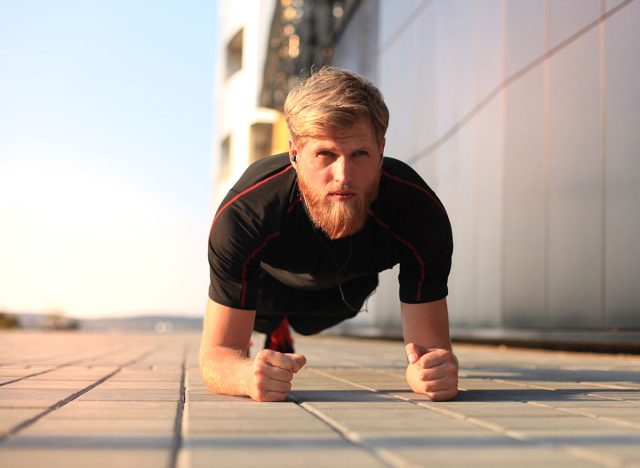
While duration is important, maintaining proper posture is vital for effectiveness. A well-formed plank should avoid any sagging or dipping, which can compromise both performance and safety.
Why Planks Are a Great Indicator of Core Strength

The straight-arm plank engages your entire body, showcasing overall strength and coordination. “It highlights your functional strength and stamina,” says Grimm. Building core strength not only aids fitness pursuits but also fosters stability and balance as we age, which is crucial for preventing injuries in everyday activities or sports.
Muscles Engaged During Plank Exercises
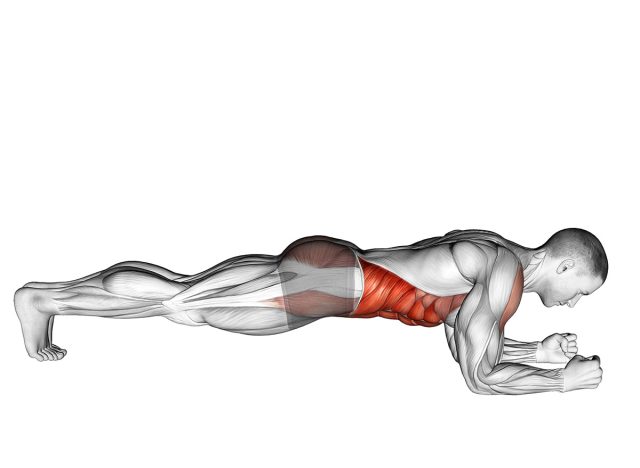
Planks primarily target your “hidden muscles,” which include those responsible for maintaining good posture, such as the shoulder stabilizers, transverse abdominis, erector spinae, and glutes. According to Grimm, “the pelvic floor and diaphragm are also engaged, which helps in maintaining proper alignment of the hips and ribs.”
Strategies for Holding Your Plank Longer
If you’re looking to expand your plank hold time, there are specific strategies you can implement. It’s crucial to build strength gradually to avoid any injuries, especially to your wrists, shoulders, and core. Grimm recommends focusing on maintaining good posture and suggests increasing your hold time by just five seconds at a time. Consistency is key, so aim to practice planks every other day but always prioritize form over duration.
Optimal Frequency for Planking
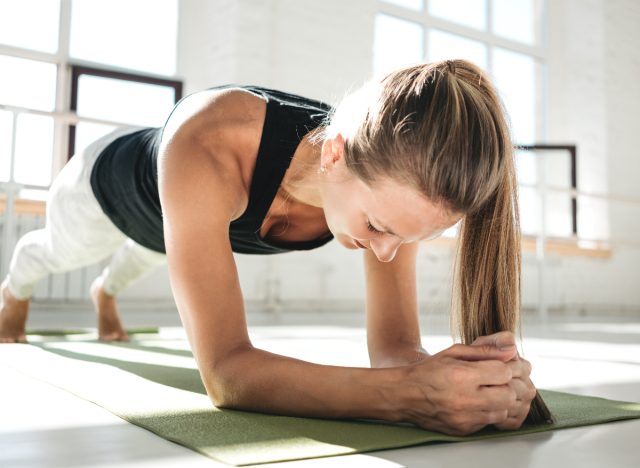
To see improvements, aim to hold planks three to four times a week. As you progress, gradually increase your hold time by five seconds per session. Grimm emphasizes that the duration should feel manageable before extending it. Incorporating shorter sessions, perhaps twice daily on workout days, can also be beneficial. Remember to allow for rest days to prevent injury.
Alexa Mellardo
Alexa is a freelance writer, editor, and content strategist based in Greenwich, CT. With over 11 years of experience, she specializes in wellness, fitness, food, travel, lifestyle, and home topics. Read more about Alexa
In conclusion, incorporating planks into your fitness routine can offer numerous benefits to your core strength and overall physical resilience. By following the practical tips outlined in this article, you can gradually improve your plank performance, making strides toward better balance and stability in your everyday life. Stay consistent, prioritize proper form, and enjoy the journey to a stronger core!