Assessing and Enhancing Your Hiking Fitness: A Practical Guide
Whether you’re preparing for a day hike or a long backpacking trip, understanding your fitness level is crucial for a successful adventure. This guide, designed by personal trainer and physical therapist assistant Lee Welton, outlines practical assessments to help you identify your strengths and weaknesses while hiking. By testing key muscle groups, you’ll be better equipped to enjoy your time outdoors.
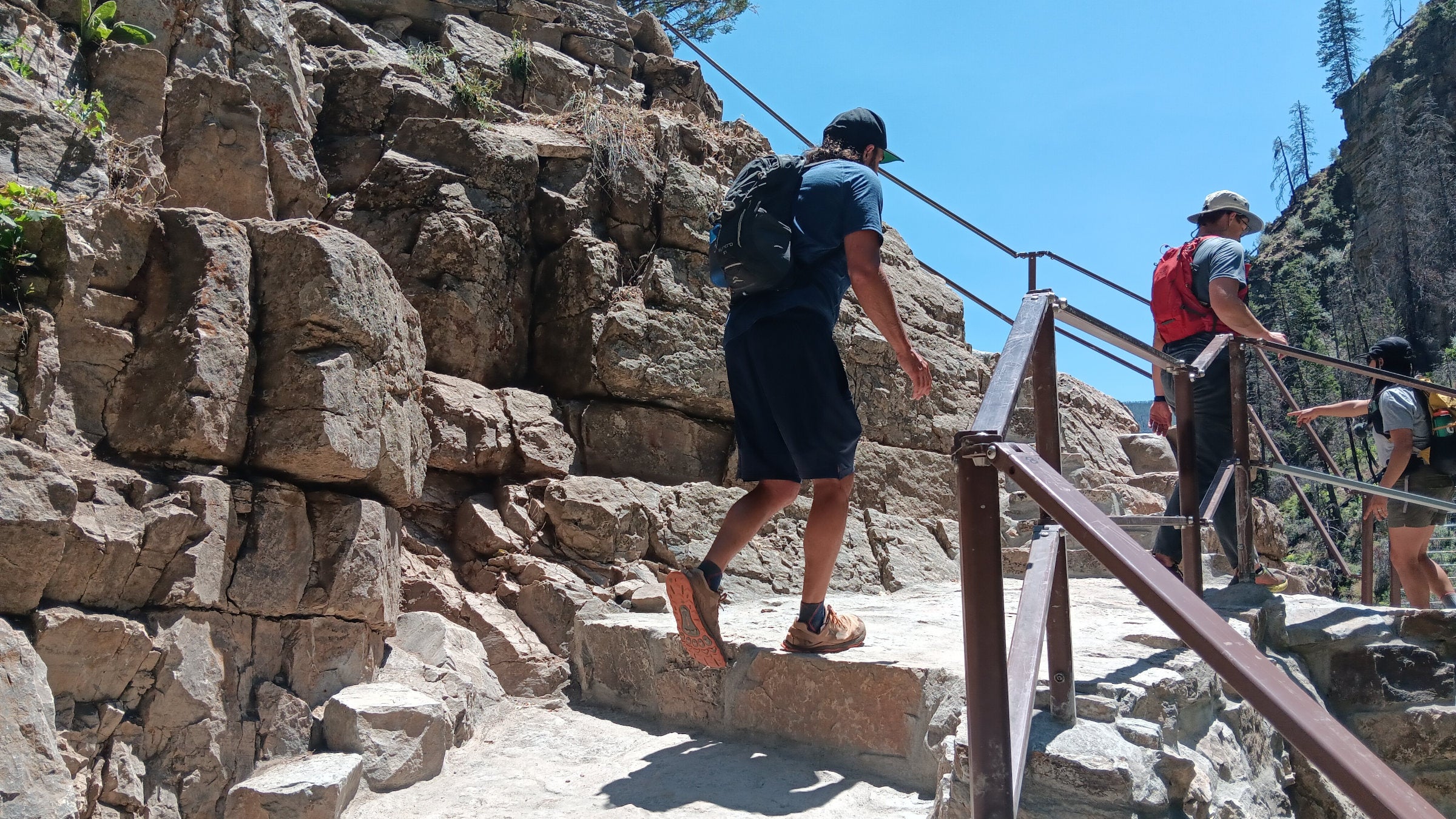
Hiking the short but steep trail to Colorado’s Hanging Lake. (Photo: Adam Roy)
The Importance of a Structured Fitness Assessment
The hardest part of any workout plan is often sticking to it, and one of the most challenging aspects is determining whether your efforts are paying off. If your goal is to hike longer, faster, or simply more comfortably, it makes sense to establish a way to check your progress before you set out on your adventure.
The following four assessments will help you gauge the fitness levels required for hiking, focusing on the core and leg muscles that keep you stable and strong on the trails.
The Four Key Tests
-
Squats:
These strengthen your quadriceps and glutes, crucial for climbing uphill. Begin with body-weight squats and see how many you can do in one minute. Aim for at least 15-20 reps as a baseline. -
Leg Bridges:
This exercise targets your hamstrings and glutes, essential for stability on uneven terrain. Perform as many bridges as you can in 30 seconds, aiming for 10-15 reps. -
Planks:
A strong core is vital for carrying a loaded backpack. Hold a plank position for as long as possible, targeting a time of around 30 seconds. -
Calf Raises:
These help with balance and support while walking on various surfaces. Try for 15-20 reps in one set.
Completing this series of exercises not only assesses your current fitness level but also prepares you mentally and physically for the demands of hiking.
Leveling Up your Fitness Assessment
For those ready to take on an additional challenge, a new test has been introduced that includes:
-
Single Leg Dorsiflexion: This exercise measures the strength of the anterior tibialis (the muscle at the front of your shin). It’s essential for stabilizing your ankle on uneven ground.
-
Side Plank: This variant targets your obliques and helps enhance core strength, critical for maintaining balance while carrying a heavy pack.
You can undertake these assessments separately or combine them with the initial set for a comprehensive workout challenge.
The Role of Cardiovascular Fitness
While strength is key, don’t overlook the importance of cardiovascular health. Your ability to sustain movement over time directly affects how well you’ll do on the trail. To test this, try a step-up test in the gym:
- Step-Up Test: Perform continuous step-ups for three minutes, then monitor your heart rate to see how efficiently you recover post-exercise.
Conclusion
By incorporating these assessments into your training routine, you’ll identify areas to strengthen and potentially enhance your hiking performance. Regularly retesting will allow you to monitor your progress, ensuring that you are physically prepared for any adventure that lies ahead. Whether you’re eyeing a challenging mountain trail or a leisurely nature walk, being fit for the outdoors means more enjoyable experiences and less discomfort on the trail. Get out there, test your strength, and enjoy the journey!