In recent discussions surrounding the food stamp program, the focus has shifted to stricter means-testing and enhanced work requirements. While aiming to reduce government expenditure, this approach inadvertently reinforces the distinction between the “deserving” and “undeserving” poor. It suggests that only those who are evidently unable to work—due to age or disability—merit assistance. As a society, we should prioritize ensuring that children are adequately nourished, which is vital for their cognitive development and academic performance.
By late morning at the House of Hope’s mobile food pantry, a line had formed, with a half-dozen cars waiting for almost four hours as about seventy more residents gathered behind them by 11:30 a.m., eager for food distribution.
Originally slated to begin at 11 a.m., the operation faced a delay when the Facing Hunger Foodbank truck suffered a blown tire on the way. Remarkably, no one voiced any complaints.
Among those in line was Perry Hall, whose wife, Lilly, volunteers with the distribution team. Perry is battling multiple myeloma, a type of cancer, while the couple gets by on approximately $1,500 a month from Perry’s Social Security benefits, supplemented by federal assistance from SNAP, the Supplemental Nutrition Assistance Program. However, Lilly, now 59, faces new SNAP work requirements due to her age, putting their benefits at risk.
Under the federal One Big Beautiful Bill Act, all “able-bodied adults” aged 64 or younger without dependents must work, volunteer, or participate in job training for at least 80 hours per month to avoid restrictions limiting SNAP benefits to three months every three years. Previously, the cutoff age was 54, and this new regulation also encompasses parents whose children are 14 or older. Exemptions for veterans, individuals experiencing homelessness, and young adults transitioning out of foster care have been eliminated.
Proponents of these work requirements argue that they encourage those who are “work-ready” to pursue job opportunities, thereby reducing dependency on government aid and promoting the “dignity of work.”
Rhonda Rogombé, health and safety net policy analyst for the West Virginia Center on Budget and Policy, has examined the impacts of SNAP work requirements. Her research reveals no correlation between enforcing these requirements and a decrease in local unemployment rates.
During the COVID-19 pandemic, earlier work requirements were suspended but were reinstated in the fall of 2023. After this reimplementation, the average number of employed individuals in Mingo County actually declined.
A federal study from 2018 assessed various data, including SNAP information from nine states, and concluded that work requirements had no measurable effect on labor force participation or the number of hours worked.
Rogombé notes, “When people are hungry, they aren’t able to support themselves. Hunger makes it challenging to focus at work or engage in job activities, and we believe this contributes to the situation.”
Job opportunities are minimal in this part of southern West Virginia. While Lilly Hall found work at a Delbarton restaurant, it’s unpaid until a waitress position becomes available—allowing her to maintain benefits but creating a less-than-ideal situation.
On that mild Wednesday in late March, the House of Hope provided staple foods, including chicken, eggs, bread, potatoes, fresh fruits and vegetables, and milk.
Timothy Treleven, who manages the pantry alongside his wife Christine and Gail Lendearo, stated, “We have older residents as well as younger individuals who have lost their way and need help.”
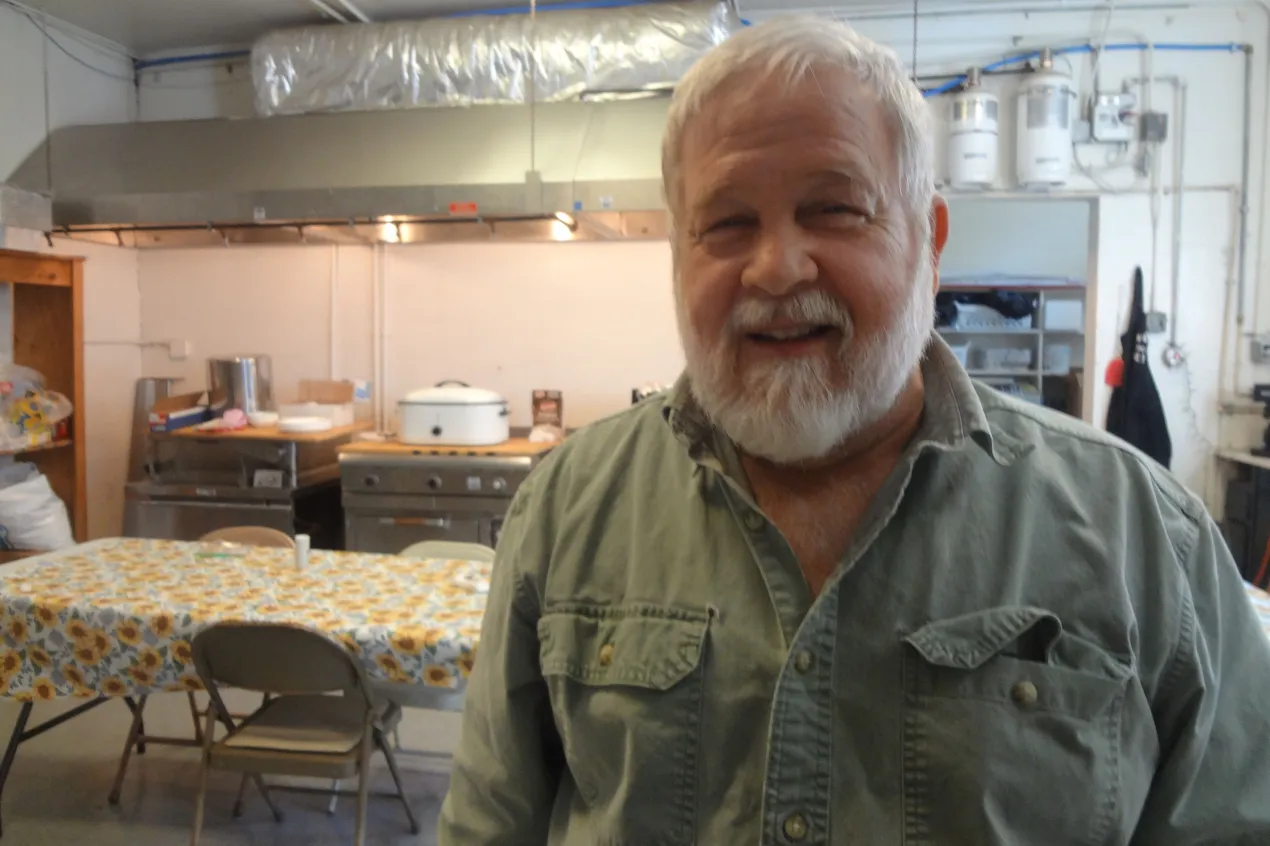
The House of Hope typically distributes food on the last Saturday of each month, supplemented by occasional weekday visits from Facing Hunger as families run low on available resources.
On a regular Saturday, staff and volunteers serve up to 400 boxes of groceries.
Lendearo expressed gratitude, saying, “It’s an honor to do this. It’s a blessing.”
Perry Hall’s cancer is now in remission, but he and Lilly once had to travel 4½ hours each way to Morgantown for treatment. Lacking a reliable vehicle, they often paid a friend for transportation.
Mingo County’s population is now just under 22,000, a decline from approximately 27,000 in 2010. Once thriving due to coal mining, the area is now referred to as the “coalfields,” but little mining occurs today. Currently, a quarter of residents live in poverty.
Rogombé’s research highlights that Mingo County residents encounter numerous obstacles in securing the few available jobs, such as unreported physical and mental health issues, housing instability, and a lack of high school diplomas or identification.
Many residents find navigating the paperwork for benefits or compliance confirming particularly challenging. The West Virginia Center on Budget and Policy’s findings reveal that approximately 25% of individuals lack reliable internet access.
More changes are on the horizon for the SNAP program. Starting in October, states will begin bearing 75% of administrative costs, a shift from the current equal-sharing approach. Furthermore, by October 2027, states will be required to contribute additional funds tied to error rates.
Poor states like Kentucky and West Virginia will be significantly affected by these new conditions. The Kentucky Center for Economic Policy estimates that up to 114,000 residents risk losing SNAP benefits with the implementation of stricter work requirements.
Jessica Klein, a researcher at the center, expresses concerns about the potential fallout. “We know that SNAP influences health, not just by reducing food insecurity,” she said, noting that its absence could worsen conditions related to blood pressure, obesity, medication adherence, and more.
With additional costs passed to states, Klein warns, “I think we might see states change regulations that affect participation to maintain a smaller, more budget-friendly program. My fear is that some states may opt not to operate SNAP altogether.”
In Mingo County, community members are stepping up to support one another. At least eight food pantries now operate, offering groceries to those in need.
Janet Gibson oversees the Blessing Barn pantry in the Ben Creek area, stating, “I can tell you everyone’s name and a little something about them.” She takes pride in supporting her community.
However, she acknowledges the difficulty of finding even volunteer opportunities, largely due to transportation issues. The geography of the area can be deceptive; a few dozen miles can take over an hour to traverse due to the terrain.
“Whether you’re working full-time or not, you’re still spending money on gas to get to work,” Gibson emphasized, “and fuel prices aren’t cheap these days.”
Trista Shankle, a single mother of three from Paducah, Kentucky, remains unaffected by the new SNAP requirements but is concerned about the overall stability of the social safety net. Having faced numerous challenges, she is now pursuing a master’s degree in social work while also working for an organization that connects community college students with Temporary Assistance for Needy Families benefits. Her family depends on various forms of aid, including SNAP, Medicaid, housing support, and the USDA’s Special Supplemental Nutrition Program for Women, Infants, and Children. If any one of these programs is cut, she fears she may have to abandon her academic pursuits.
Shankle attributes her progress to the assistance she and her family have received: “These benefits bring a sense of security. I know my children won’t go hungry.”
As of the first week in April, Lilly Hall began her work at Black Bear Trails Restaurant and is thankful for the opportunity. When a waitress position opens, she declares, “I’ll snag that position so quick it’ll make your head spin.”

The ongoing changes and challenges within the SNAP program reflect broader societal issues surrounding poverty and assistance. Communities, despite facing various obstacles, are rallying to support their most vulnerable members. As we move forward, it is essential to consider how to balance fiscal responsibility with compassion and understanding for those in need.

