Defining the Business-Casual Style
Business casual dress codes are flexible. While there’s no strict guideline, certain elements can help define what’s acceptable. This flexibility also extends to footwear, specifically trainers.
Business-Casual Trainers: Broad Guidelines
| Yes | No |
|---|---|
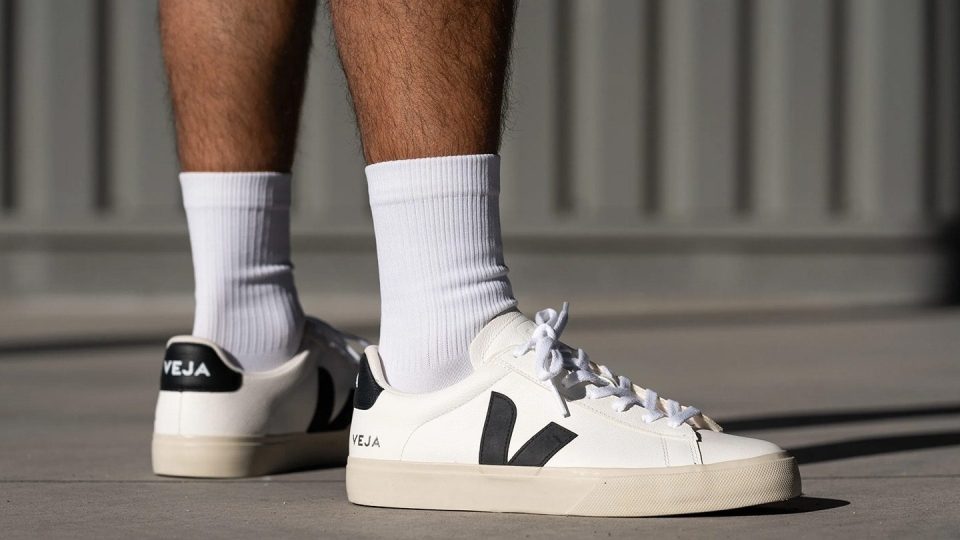
| Clean, sleek design | Large logos |
| Neutral colors (similar tones) | Many contrasting colors |
| Minimalist designs | Chunky designs, “dad” shoes |
| Polished leather or suede | Mesh with large perforations |
| Low profile that complements the outfit | Attention-magnets |
Examples of Acceptable Trainers
Models like Stan Smith and leather/suede options with similar tonalities are generally safe bets, while shoes like Reebok Club C 85 or Adidas Continental might be too casual in some settings.
Real or Fake Leather/Suede in Business-Casual Trainers
Quality materials are key in achieving a polished look. Real leather or suede has distinct characteristics:
- Real Leather/Suede: Burns like hair, smells, and becomes black and dry.
- Fake Leather/Suede: Melts into a glue-like consistency, often having a plasticky smell.
Material Insights
Many trainers contain a mix of real and faux materials. Focus on the majority composition for a true measure of quality.
Comfort of Business-Casual Trainers
Comfort hinges on:
- Shock Absorption: Essential for reducing leg stress.
- Midsole Softness: Personal preference but should still maintain shock absorption.
- Weight: Lighter shoes reduce fatigue.
We prioritize shoes scoring higher than 100 SA (shock absorption) in tests to ensure long-lasting comfort.
Fit and Accommodating Fit
When selecting trainers, ensure they provide enough room for natural foot swelling, especially during long hours.
Measuring Fit
We use a gel mold method to assess space within the trainer for accurate measurements.
Rainy Day Performance
To maintain stability in wet weather, we test the dynamic coefficient of friction (CoF). Trainers scoring above 0.45 are considered safe, while those between 0.25 and 0.45 are only moderately safe.
Durability of Business-Casual Trainers
Durability is crucial for longevity, specifically focusing on:
- Toebox Durability: Assessed through a standardized test and rated on a scale of 1-5.
- Heel Padding and Outsole Durability: Important for overall performance, tested similarly.
Durability Testing
We assess toebox integrity, heel padding, and outsole aggressiveness to ensure trainers hold up well over time.
In conclusion, the right pair of business-casual trainers combines style, comfort, fit, and durability. By focusing on quality materials, appropriate designs, and accurate fitting, you can ensure your trainers meet the business-casual requirements while still being comfortable and durable.