Navigating Change in Local Fitness Communities: A Focus on Resilience
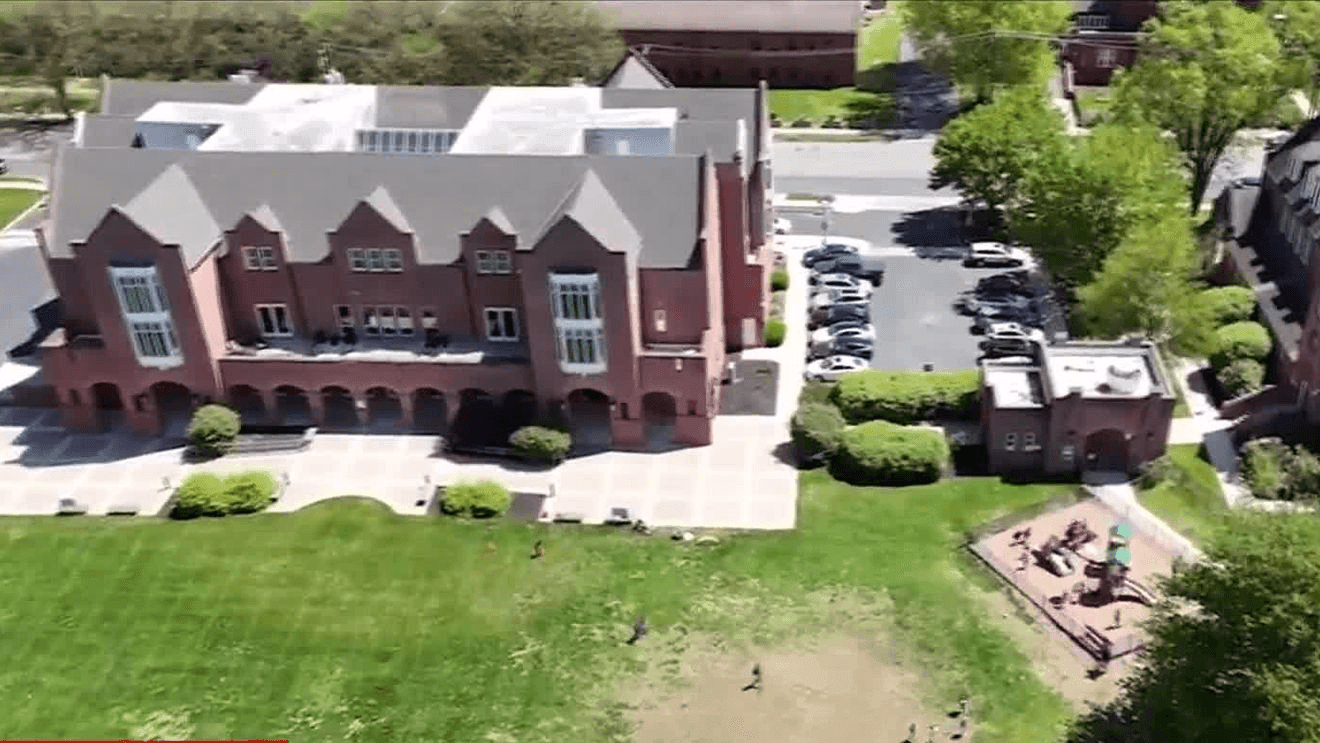
The fitness landscape is constantly evolving, with changes in facilities and offerings often reflecting broader community dynamics. Recent news from the Symons Family Fitness Center at the Alexander Grass Campus for Jewish Life highlights the importance of adaptability for fitness enthusiasts. The center will be closing its doors due to financial struggles, leaving many members and instructors seeking clarity and alternatives.
Understanding the Situation
As reported, the Symons Family Fitness Center is set to end operations soon, following an email notification sent to gym instructors. Despite this, many members, like Debi Vreeland, expressed frustration over the lack of communication, especially regarding ongoing classes. This situation calls attention to the need for open dialogue between management and community members, ensuring everyone is informed and prepared for changes.
Seeking Support from Instructors
With uncertainty surrounding class availability, many members are turning to their instructors for guidance. Art Kravitz, a dedicated spin instructor, has taken the initiative to provide support. He has activated Zoom classes to keep his community engaged, showing how instructors can play a pivotal role in maintaining fitness connections even in challenging circumstances.
The Importance of Community in Fitness
This scenario illustrates the strength of community in fitness settings. Many instructors are willing to forgo payments and offer their services free of charge, demonstrating a collective commitment to keep members active and motivated. Such solidarity can encourage others to stay involved, whether through attending classes or exploring new fitness pathways.
Practical Advice for Members Adapting to Changes
-
Stay Informed: Regularly check your gym’s communication channels for updates. If your center is facing financial challenges, proactive communication can help you stay ahead of changes.
-
Explore Alternatives: If your current gym is closing, consider local parks, community centers, or online platforms that offer classes. Many instructors are transitioning to virtual formats, which can provide great flexibility.
-
Engage with Your Community: Connect with fellow gym-goers and instructors. They could have insights into alternative workout opportunities or new routines.
-
Prioritize Your Fitness: Use this as an opportunity to try different types of workouts. Whether it’s yoga, cycling, or outdoor running, maintaining a diverse fitness regimen can keep your motivation high.
-
Speak Up: If you have prepaid for services or memberships, don’t hesitate to reach out for clarity on refunds or alternatives. Organizations often appreciate customer feedback and can guide you accordingly.
Conclusion: Embracing Change for a Healthier Future
While the closure of a local fitness center can be disheartening, it can also serve as a catalyst for growth and resilience within the community. Members and instructors alike have opportunities to adapt, innovate, and stay engaged in fitness pursuits. By supporting one another and exploring new avenues, we can all continue our wellness journeys, no matter the obstacles we face.