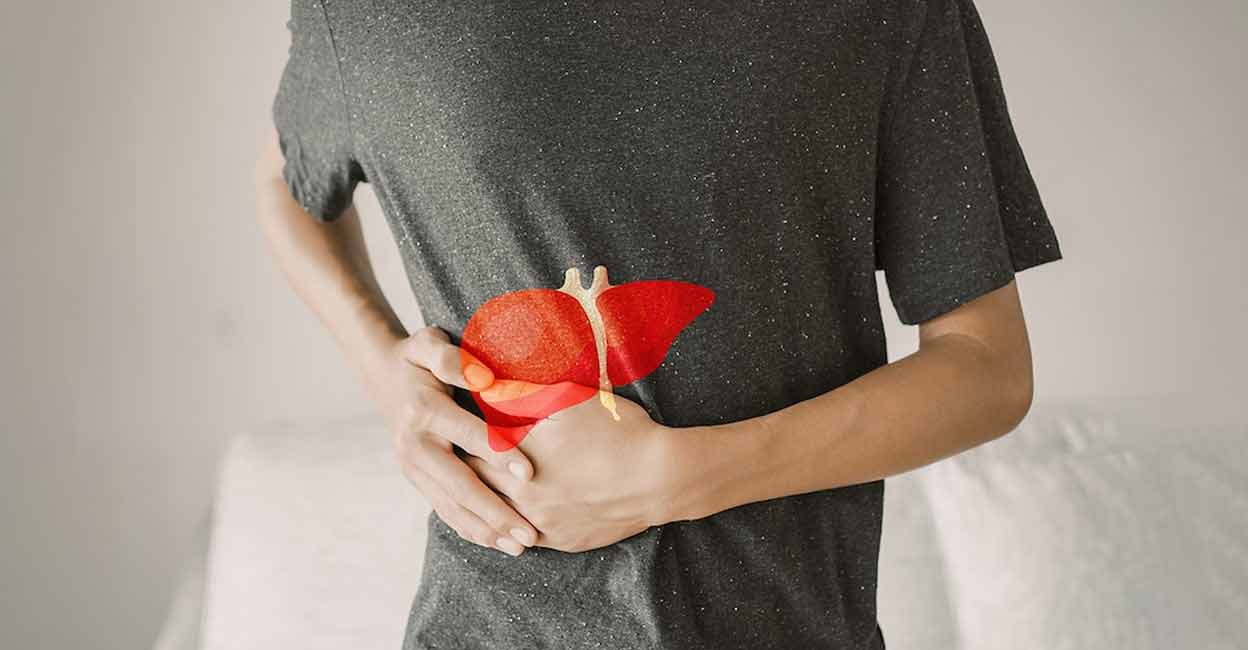
The liver, the largest internal organ in the human body, serves as its primary chemical processing unit. It is essential for detoxifying substances, aiding in digestion, and storing energy. However, modern lifestyles and unhealthy eating trends are increasingly compromising liver health. Particularly among younger individuals, food choices are often motivated by taste rather than nutrition, fostering a fast food culture and the overconsumption of processed foods. With the rise of online food delivery and instant meals, the tradition of preparing home-cooked, nutrient-rich dishes is fading. To guide healthier choices, Susan Ittey, Chief Clinical Nutritionist at Aster Medcity in Kochi, shares practical tips.
Dietary tips to protect liver health
1. Fibre-rich foods: Incorporate whole grains, legumes, and vegetables into your daily meals. These foods support liver function and help prevent fat build-up.
2. Antioxidant-rich foods: Berries, leafy greens, and grapes are excellent sources of antioxidants that help safeguard liver cells from damage.
3. Healthy fats: Include sources of omega-3 fatty acids, such as olive oil, nuts, and fish, which can help mitigate inflammation in the liver.
4. Coffee and green tea in moderation: Moderate coffee consumption may offer protective benefits against liver diseases, while green tea, rich in catechins, supports overall liver health.

Avoid these to keep your liver healthy
• Excess sugar and salt: Sweetened beverages and baked goods contribute significantly to fatty liver disease.
• Processed foods: Items like canned goods and fast food impose extra stress on the liver with their high levels of additives and unhealthy fats.
• Alcohol consumption: Alcohol is severely damaging to the liver and can lead to serious conditions such as cirrhosis.
• Excess sugary beverages: Sodas, energy drinks, and artificially sweetened beverages can negatively impact liver health by introducing fructose, which may lead to diabetes.
• Irregular eating habits: Skipping meals or eating late can disrupt your liver’s metabolic cycle.
• Lack of physical activity: A sedentary lifestyle can result in fat buildup around the liver, leading to non-alcoholic fatty liver disease, which is increasingly prevalent in younger age groups.
Lifestyle changes for better liver health
• Proper sleep and rest: The body undergoes critical cleansing and repair overnight. Maintaining 7–8 hours of quality sleep supports liver cell regeneration, making it advisable to sleep early, ideally by 10:30 or 11 PM.
• Weight control: Excess body weight may lead to fat accumulation around the liver, increasing the risk for fatty liver disease. Keeping a healthy body mass index is essential.
• Limit use of plasticware: To avoid harmful chemical exposure, choose glass or stainless steel for storing or heating food instead of plastic containers.
• Avoid overuse of medications: Regular use of pain relievers or other medications without prescription can severely harm the liver, as many drugs are processed in this organ.
• Regular health check-ups: Liver diseases often present no early symptoms, so annual liver function tests and ultrasound scans are important. Vaccination against Hepatitis B is also advised.
• Avoid alcohol and tobacco: Alcohol can quickly damage liver tissue, while tobacco contains toxins that may escalate inflammation and cancer risks.
• Prefer natural drinks: Swap artificially colored and sweetened drinks for lemon water, tender coconut water, and buttermilk, which can help cleanse the liver.
• Drink plenty of water: Aim for 8 to 12 glasses of water a day (around 2.5 to 3 liters). Proper hydration is crucial for detoxification and liver function.

• Make exercise a habit: Engage in daily physical activity to help mitigate fat accumulation in the liver. Individuals at a healthy weight should aim for at least 45 minutes of exercise daily, while those who are overweight should target one hour.
• Eat in moderation: Control portion sizes and maintain regular meal intervals. A balanced diet should be adhered to, with an early supper by 8 PM.
Say ‘no’ to addictions
The liver is a crucial guardian of our health. Establishing solid habits is essential; true well-being lies in the daily practices we adopt, not in occasional good choices. A strong foundation is vital for any structure, and so it is with our health. It is often not acute illness but years of poor lifestyle choices that jeopardize our well-being. Therefore, it is imperative to start making changes now. Embracing a lifestyle free from addictions and a commitment to exercising should become integral to daily routines. Every healthy habit fostered today is an investment in a healthier tomorrow. Remember, the state of your liver is in your hands; focus on building better habits for a brighter future.
Key Takeaways
- A balanced diet rich in fiber, antioxidants, and healthy fats supports liver function.
- Reduce intake of sugars, salts, and processed foods to avoid harming the liver.
- Regular sleep, weight control, and physical activity are key to maintaining liver health.
- Avoid harmful substances such as alcohol and tobacco.
- Stay hydrated and choose natural beverages to promote detoxification.
- Consult healthcare professionals for regular liver health assessments.
FAQ
When does fat buildup in the liver become a problem?
If fat accounts for more than 5% of the liver’s weight, it is considered problematic.
What are the risk factors for fatty liver disease?
Common risk factors include lipid abnormalities, high blood pressure, type 2 diabetes, and obesity.
What are the risk factors for liver cirrhosis?
Risk factors include metabolic syndrome, being over 50 years old, chronic viral hepatitis infection, and a history of alcohol use.
Can liver cirrhosis be cured?
No, but treatment can help slow damage depending on individual responses.
Is liver cirrhosis always connected to alcohol?
No, it can also occur due to unknown or uncontrollable conditions. However, adopting a healthy lifestyle typically aids in managing liver diseases.


