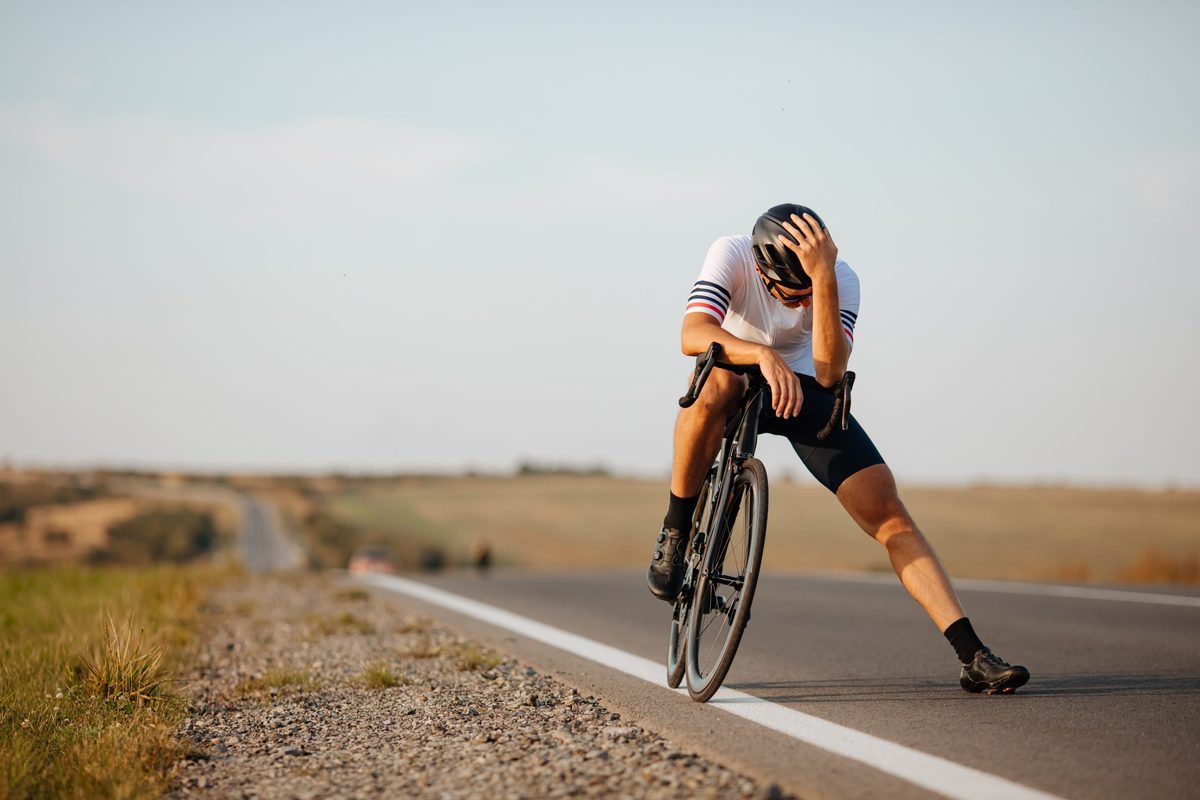
For avid cyclists, regular training builds strong muscles, enhances vascularity, and fosters a positive outlook. However, interruptions—whether due to injury, illness, or life events like moving or starting a family—can disrupt your consistency. This leads to the inevitable question: how quickly do those well-toned thighs lose their strength, and what can you do about it? Let’s dive into the concepts of detraining and retraining.
Expert Insights

Dr. Paul Laursen, a recognized expert in exercise physiology, provides valuable insights into the effects of detraining. A seasoned Ironman competitor from the age of 19, Dr. Laursen has authored over 200 peer-reviewed articles and served as physiology manager for New Zealand’s Olympic athletes. He emphasizes that the degree of fitness loss during a hiatus from cycling largely depends on your initial fitness level.
For professional cyclists, detraining can begin in just three days. For recreational cyclists training a couple of times a week, it may take five to six days before noticeable fitness declines occur. However, once losses start, they can escalate quickly.
Initially, your plasma volume—the liquid component of your blood—decreases. This reduction affects how efficiently your heart can pump blood, leading to a quicker fatigue during training. Studies have shown that a four-week break can lead to significant drops in stroke volume and overall aerobic capacity.
Understanding Thresholds

The impact of detraining extends to crucial cycling parameters such as VO2 max and lactate threshold. VO2 max represents your body’s ability to transport and utilize oxygen during intense exercise, while lactate threshold refers to the intensity you can maintain without excessive fatigue. Both metrics begin to decline after about two weeks without training.
The good news? If your break is due to life circumstances rather than injury, you can maintain much of your fitness by incorporating one or two high-intensity sessions per week. Think of this approach as a tapering strategy, where the emphasis is on maintaining intensity while reducing volume.
Dr. Laursen also recommends short bursts of high-intensity intervals, such as the 30/15 protocol, which consists of 30 seconds of intense cycling followed by 15 seconds of easy pedaling. This method has been shown to enhance various fitness metrics, including VO2 max.
If injuries prevent cycling entirely, consider options like blood flow-restricted training. This technique uses inflatable cuffs to restrict blood flow to your muscles, helping to maintain strength. It’s advisable to consult an expert for safe application of this method.

Alternatively, using recovery apparel, like Hytro, can provide a similar effect without the need for cuffs. Regular sauna sessions may also support plasma volume maintenance, as sweating can help mitigate some fitness losses during periods of inactivity.
Returning to Performance

The process of returning to your prior performance level can be quicker than you might expect. Studies suggest that retraining takes about 30-40% less time than the detraining process. If you’ve been off the bike for 20 weeks, you could regain your previous fitness level in just about 12 weeks.
Factors like the duration of your break, any maintained activities, age, and pre-existing fitness level all play roles in your recovery speed. Those who are already fit tend to bounce back faster due to the body’s inherent adaptability.
Incorporating intensity into your return to training, balanced with foundational aerobic rides, is the best approach. Trust your body’s response as you cautiously reintegrate cycling into your routine.
Detraining is often an unavoidable part of any athlete’s journey, but being informed about how it affects your body equips you to tackle temporary setbacks effectively. Implementing targeted high-intensity sessions and utilizing recovery strategies can help slow down the decline in fitness. The encouraging news is that the retraining period is generally shorter than the detraining phase.
Remember: endurance fitness can feel like it’s rented, not owned. Stay proactive, and you’ll soon be back on track to achieving your fitness goals.