Subscribe to our free newsletter today to keep up to date with the latest food industry news.
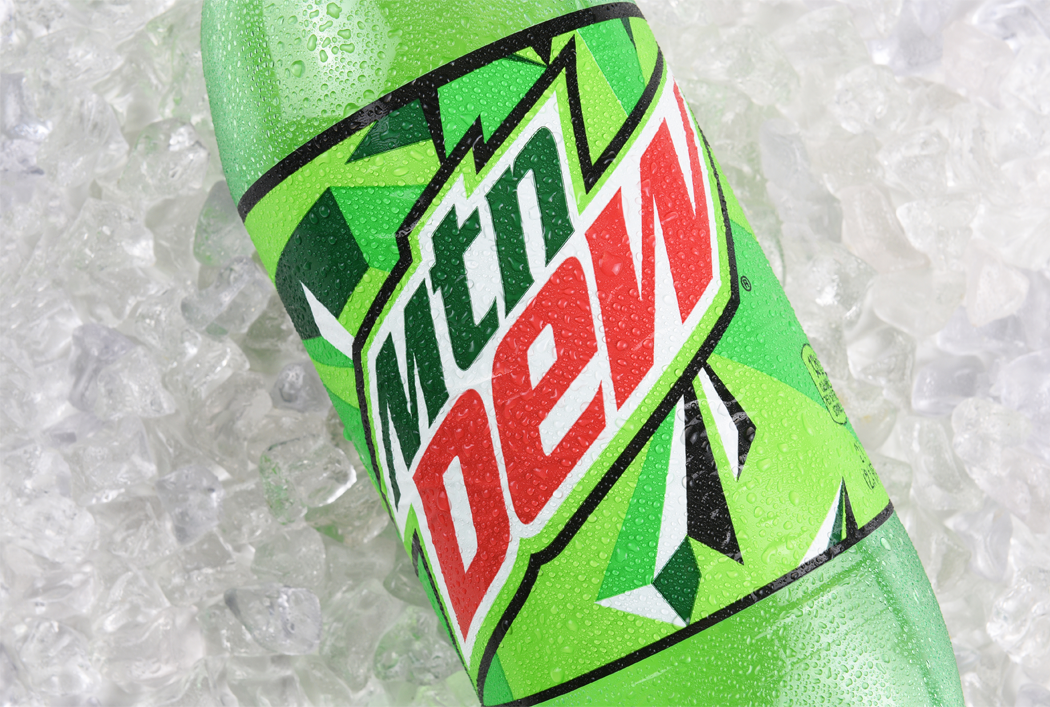
Mountain Dew is making strides by embracing one of the most dynamic beverage trends in the United States: dirty soda. This innovative blend of carbonated soft drinks with cream, flavored syrups, and fruit elements has emerged from niche markets to gain widespread recognition, largely fueled by social media. As consumer preferences evolve, Mountain Dew seeks to capitalize on this trend by transforming a regional specialty into a mass-market offering.
How PepsiCo is reshaping Mountain Dew’s identity through experimentation and youth appeal
Mountain Dew has consistently demonstrated its adaptability as one of PepsiCo’s flagship brands. While its classic citrus flavor remains foundational, the brand has successfully ventured into a diverse range of flavors and limited-edition releases. For instance, Baja Blast has showcased the potential of a single flavor variant to forge a unique identity beyond traditional retail outlets.
Entering the dirty soda market builds on this legacy, aligning with a broader strategy aimed at maintaining relevance among younger consumers who prioritize novelty and personalization. Particularly among Gen Z, there’s a strong appetite for experimenting with flavor profiles and hybrid beverages, often influenced by digital interactions rather than conventional advertising.
PepsiCo’s strategy has increasingly emphasized agility. Rapid product development enables the company to respond to emerging trends while they are still gaining momentum. In today’s fast-paced market, impactful viral trends can provoke substantial changes in consumer demand within mere weeks rather than years.
Simultaneously, PepsiCo is striving to maintain brand consistency. The essence of Mountain Dew as a bold and energetic beverage remains, even as its presentation evolves. The introduction of dirty soda does not overshadow its roots but expands its versatility, transforming it from a standalone beverage to a flavorful base for creative concoctions.
The business case behind dirty soda and the rise of beverage customization
The ascent of dirty soda is intrinsically linked to the success of regional chains that emphasize customization. Brands like Swig and Sodalicious have garnered loyal customer bases by allowing patrons to create personalized mixes, fostering a sense of ownership over their beverages. This model has effectively driven repeat business and increased average spending per transaction.
Customization is becoming a core aspect of contemporary food and beverage consumption. Consumers now seek options that cater to their individual preferences, deviating from static menus. Dirty soda addresses this demand by providing a versatile framework rather than adhering to a singular flavor profile.
Furthermore, social media plays a pivotal role in this trend. Distinctive or visually appealing drinks are more likely to be shared, transforming personal purchases into effective marketing opportunities. This phenomenon blurs the line between niche and mainstream markets, allowing trends to gain traction more swiftly than in the past.
For major manufacturers, the task lies in successfully packaging this flexibility. While a ready-to-drink beverage can’t replicate complete customization, it can encapsulate the trend’s spirit. By curating popular flavor combinations and standardizing them, companies can offer streamlined options that resonate with a wider audience.
What Mountain Dew’s move signals for the future of soda innovation
Mountain Dew’s foray into dirty soda signifies a broader transformation in beverage innovation. The lines between retail products, quick-service restaurants, and specialty drinks are increasingly becoming blurred, with concepts originating in one domain being adapted across others.
This shift alters the role of major brands. Rather than solely driving innovation from within, they are increasingly becoming enhancers of consumer-led trends. While this approach mitigates risk, it demands precise timing—intervene too soon, and the concept may fall flat; wait too long, and the market may be saturated.
Operational challenges also emerge. Hybrid beverages that blend soda with cream or other ingredients complicate formulation, shelf stability, and distribution. Successfully scaling these products necessitates a balance between innovation and practicality.
Nonetheless, the potential rewards are considerable. By harnessing trends that demonstrate proven demand, companies can rejuvenate the lifecycle of established categories. Dirty soda represents an opportunity to reposition carbonated soft drinks as part of a richer consumption experience rather than merely a standalone item.
Mountain Dew’s latest launch captures a shift towards modular, experience-oriented drinking, highlighting the idea that the value of a beverage lies not just in its flavor but also in its ability to adapt to evolving consumer behaviors.
Key Takeaways
- Mountain Dew embraces the dirty soda trend, transitioning it from regional to mainstream.
- The brand focuses on speed and innovation to keep up with rapidly shifting consumer preferences.
- Customization is crucial, as consumers seek personalized beverage experiences.
- Social media amplifies trends, allowing unique drinks to gain popularity quickly.
- Major brands are adapting to consumer-driven trends rather than solely leading from the front.
FAQ
What is dirty soda?
Dirty soda is a beverage that combines carbonated soft drinks with cream, flavored syrups, and fruit elements, offering a unique, customizable drink experience.
Why is Mountain Dew entering the dirty soda market?
Mountain Dew aims to capitalize on a growing trend and connect with younger consumers who value innovation and personalization in their beverage choices.
How does social media influence beverage trends?
Social media serves as a powerful marketing tool, making visually appealing drinks more shareable and increasing their popularity among consumers.
What challenges do manufacturers face with hybrid beverages?
Hybrid beverages introduce complexities in formulation, shelf life, and distribution, which manufacturers must navigate to successfully scale these products.
Sources