Myzone Enhances Fitness Engagement Through Connection and Interaction
The notion of “community” has become a cornerstone in the fitness industry, often highlighted in promotional materials, websites, and class descriptions. Operators promote this sense of belonging as a key aspect of the member experience, attributing it to effective programs, skilled coaches, and well-designed spaces.
However, the term ‘community’ is frequently used merely to denote a place where people exercise together. But merely sharing physical space does not actively motivate individuals.
Myzone, a leading motivation technology brand, emphasizes the concept of social fitness, which goes beyond passive interaction. This approach fosters active connections, encourages consistency, acknowledges achievements, and gives members a meaningful role in their fitness journeys. Rather than just a location, it’s about making connections that matter.
According to new findings in Myzone’s report, The State of Global Exercise Behavior 2025, the distinction between mere proximity and genuine social fitness is significant. Engaging with others in fitness settings has been linked to increased happiness, longevity, and resilience.
The report details how user behaviors fluctuate across various environments—gyms, homes, outdoor activities—and highlights how these interactions influence workout frequency, engagement, and long-lasting habits.
The Benefits of Active Social Fitness
Findings from Myzone indicate a positive correlation between social connections and workout performance. The company quantifies performance using Myzone Effort Points (MEPs), awarded based on heart rate metrics. Notably, users with over ten friend connections in the Myzone app generate an impressive 47% more MEPs compared to those with fewer connections.
This increase in performance isn’t solely due to access, quality of training, or the programming itself; it can largely be attributed to the benefits of connection and the interactions that arise from it. This distinguishes meaningful relationships from a passive community, which may involve mere recognition among members without influencing their behavior.
From a behavioral science perspective, this aligns with a powerful motivation driver known as relatedness. According to Dr. Heather McKee, Myzone’s motivation science advisor, “People are more likely to repeat behaviors when they feel connected to others while doing them.” This connection enhances meaning, validates efforts, and fosters accountability, aspects that programming alone cannot replicate. When efforts are acknowledged, the rewards become immediate, making them more likely to repeat their actions.

This connection is crucial for fostering consistency. On average, Myzone users engage in 3.5 workouts per week, a threshold where exercise starts to become habitual. Essential to reaching this milestone is having a reason to return that extends beyond personal motivation.
Myzone suggests that forming friend connections, participating in team challenges, and utilizing its social features can provide that incentive. These elements make feedback immediate and progress visible, allowing for shared participation rather than isolated workouts.
Implementing Social Fitness
One exemplary case is an Anytime Fitness group operating 19 locations across Connecticut and Wisconsin, which has prioritized motivation over mere metrics. By integrating Myzone throughout their clubs, they set member effort as a critical performance indicator.
Myzone reports that when this franchise aimed for a collective goal of achieving 10 million MEPs in a single year, it created a unified purpose that energized both staff and members. Effort became public and celebrated, reshaping the experience from solitary training to contributing to a community goal.
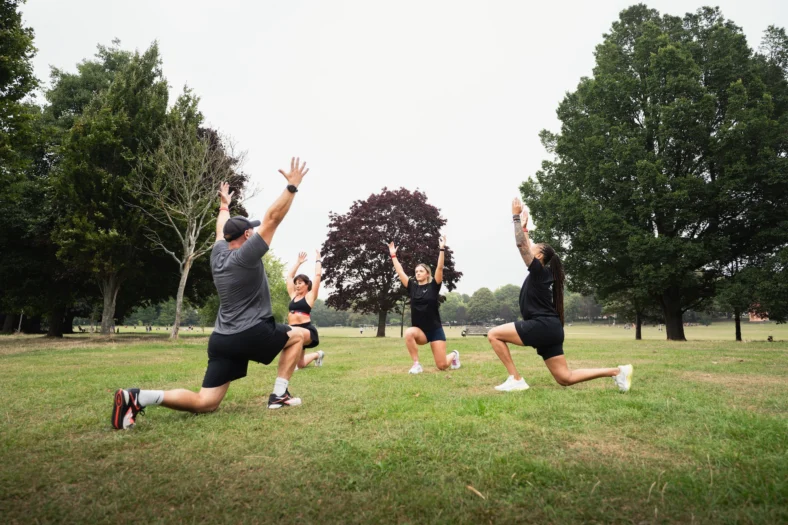
Challenges became an integral part of the program, designed not only as competitions but also as opportunities for connection. Some challenges were long-term, while others were timely, such as a snowstorm-inspired challenge that encouraged members to stay active regardless of where they were. Participation remained resilient, underscoring the ability to maintain connection despite varying circumstances.
Myzone further reports that coaching engagement within this Anytime Fitness franchise exceeds industry averages, with an average penetration of 15%, and in select locations, even reaching 30%.
The Business Impact
Engagement directly correlates with retention, showcasing that Myzone users typically enjoy a 20-25% longer membership duration than non-users. This trend aligns with Myzone’s broader data, which reveals that nearly 60% of workouts are completed before midday, suggesting that those who consistently engage in physical activity incorporate it into their routines rather than scramble to fit it in.
Moreover, over half of the activities logged occur at lower intensity levels, such as walking and light cardio. This indicates that sustained engagement stems more from repeatable actions than sporadic bursts of high-intensity effort.
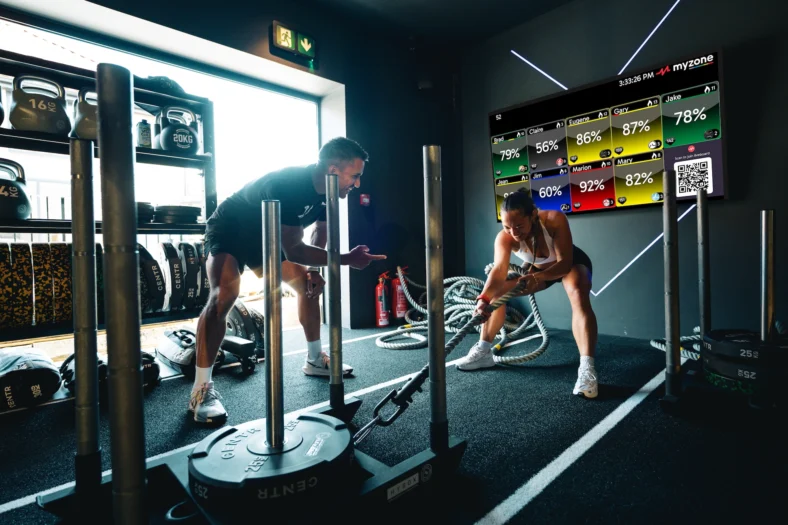
Despite substantial investments in programming, equipment, and data collection, the challenge of maintaining long-term engagement persists. The essential query remains: will members continue their efforts once the initial motivation fades? Engagement is behavioral, and people adopt actions that yield rewarding, visible, and socially affirmed outcomes. Traditional community models may fall short in achieving this, but social fitness effectively fills that gap.
While the concept of ‘community’ undoubtedly holds value, it lacks the specificity needed to explain what drives engagement in today’s fitness landscape. It is not enough to simply belong to a group; actively participating within it is crucial. Fitness operators who recognize this nuance and design experiences that focus on fostering connections will not only build stronger communities but also create thriving businesses.
For a deeper dive into the findings and insights, visit The State of Global Exercise Behavior 2025 available at Myzone.org/global_exercise_behaviour2025.