The Rise of K-Beauty: A Cultural and Consumer Phenomenon
K-beauty, the South Korean beauty trend encompassing skincare and cosmetics, has taken the world by storm. Once popularized through cars, electronics, and pop culture, South Korean products are now celebrated globally for their innovative beauty solutions. This remarkable success is attributed not only to the quality of the products but also to the clever intertwining of cultural dynamics and strategic marketing.
Understanding K-Beauty’s Global Appeal
The beauty industry in South Korea has developed into a powerhouse, significantly impacting consumer habits around the globe. According to the Yonhap News Agency, cosmetic exports surged to $11.43 billion in 2025, reflecting a noteworthy increase of 12.3%. This growth showcases the intertwining of cultural influence and economic strategy, making K-beauty a compelling case study in how soft power can be effectively utilized.
Hannes Mosler, a political scientist, notes that South Korea’s geopolitical position compels it to leverage cultural appeal. By promoting cultural exports such as K-beauty alongside K-pop and K-dramas, the country has successfully positioned itself as a cultural leader, enhancing its international image and influence.
 Image: CBS/Recording Academy/AP Photo/picture alliance
Cultural Trends Drive Consumer Behavior
The relationship between culture and consumption in South Korea is profound. Stefan Tobel, CEO of Kencana, emphasizes that consumer trends often mirror cultural developments. The meteoric rise of K-pop has paved the way for a wider acceptance and love of K-beauty products globally. Market research highlights this trend, demonstrating that the rising popularity of Korean pop culture directly contributes to the expanding reach of K-beauty.
Mosler suggests that governmental support has propelled this movement, with substantial investment in cultural sectors helping create a vibrant ecosystem for K-beauty to thrive.
A Philosophy of Care Over Concealment
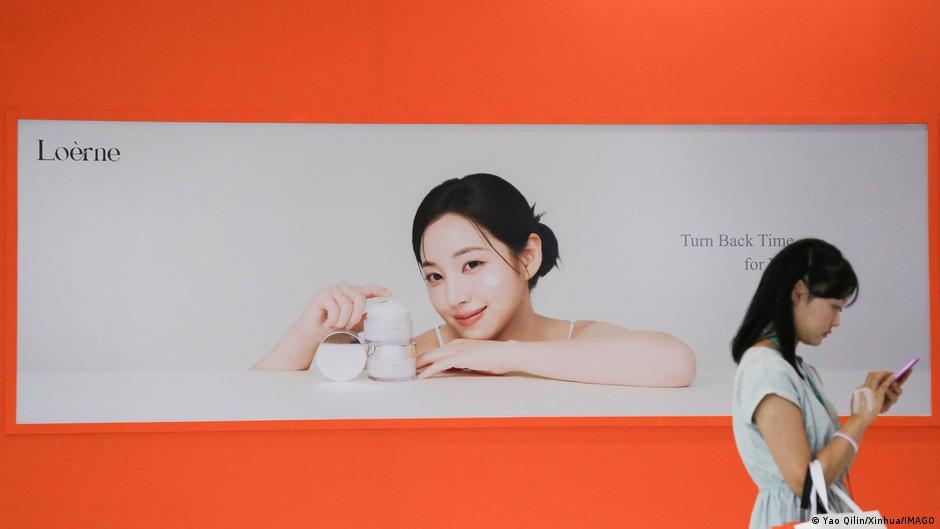
At its core, K-beauty promotes a philosophy centered on skincare and enhancements rather than mere cover-ups. The focus is often on prevention, healthy skin, and long-term benefits rather than quick fixes. This ethos resonates with consumers, indicating a shift toward more conscientious beauty practices.
Mosler attributes this emphasis on outward appearance to the competitive nature of South Korean society, where the pressure to maintain a polished image drives demand for high-quality products. The K-beauty market is marked by rapid innovation and frequent new launches, catering to evolving consumer expectations as identified by market research from Grand View Research.
 Image: Penta Press/IMAGO
The Social Media Connection
Social media plays a critical role in the propagation of K-beauty trends. Platforms like TikTok and Instagram not only accelerate the dissemination of new beauty products but also help shape consumer preferences. K-pop icons and popular dramas act as catalysts for beauty product visibility, making K-beauty a significant part of broader aesthetic and cultural narratives.
This dynamic illustrates that K-beauty is not just a passing trend; it is a multifaceted system bridging culture, technology, marketing, and politics. It represents an attractive cultural phenomenon that captivates consumers while enriching South Korea’s global standing.
Conclusion
K-beauty exemplifies the powerful synergy between culture and commerce, demonstrating how a nation can successfully wield its cultural exports as tools for influence. As consumers continue to embrace sophisticated skincare philosophies and dynamic beauty trends, K-beauty appears poised for sustained growth on the international stage. The integration of innovation, cultural appeal, and strategic marketing makes K-beauty not just a trend but a lasting global phenomenon.