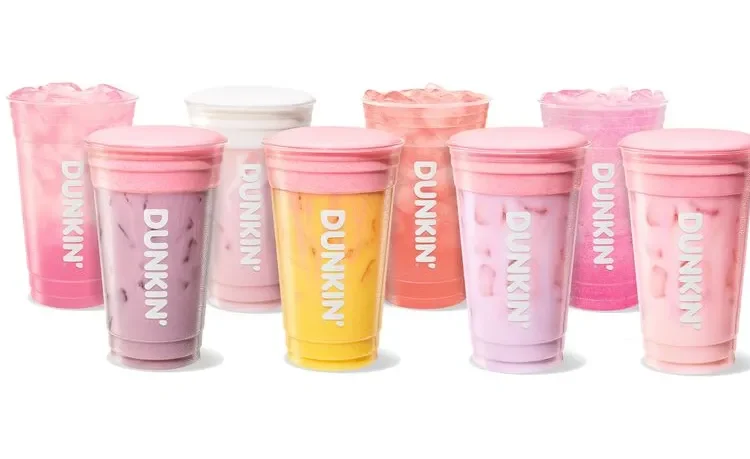
In today’s world, the choices for caffeinated beverages have expanded dramatically, especially among students. Rather than the traditional stainless steel mug of coffee, you’ll often find a vibrant array of energy drink cans. With flavors ranging from grape and strawberry to more whimsical options like “unicorn-flavored,” it’s evident that preferences are shifting. This evolution raises questions about our longstanding devotion to coffee and how it compares to the instant allure of energy drinks.
Are Students Losing the Taste for Coffee?
It’s indeed odd to think that students today often enter classrooms without the familiar stainless steel coffee mug, which once served as a symbol of caffeine commitment. Instead, they carry an assortment of colorful energy drink cans. Each one, whether it’s grape, strawberry, or lemon, seems to be competing for attention. I wouldn’t even be surprised to see someone sporting a can of “glitter explosion” flavor, although I wouldn’t want to confirm its existence! Meanwhile, coffee remains in the background, often characterized by its bitter taste, sometimes veering towards the uninspired “coffee-tea” or, conversely, delivering a robust experience that can leave you breathless. Striking the perfect flavor balance is a feat that continues to elude many coffee drinkers.
Of course, coffee can be enhanced with milk, sugar, whipped cream, syrups, or perhaps even a sprinkle of something as imaginative as unicorn tears. Yet, it’s curious that in a country where coffee is consumed in such quantity, many struggle to tolerate more than a couple of espresso shots unless it’s masked by generous amounts of milk and sugar. In contrast, energy drinks provide a straightforward solution. Just a simple “psst” upon opening a can instantly delivers pre-flavored energy, eliminating the complexities associated with coffee preparation. You can simply choose a flavor and let the fruity explosion take you on a delightful journey—albeit many of these concoctions carry a striking resemblance to medicinal flavors.
Is Coffee Still Relevant for Today’s Students?
Are current students too timid to embrace the sharpness of coffee, a drink my professor once claimed was a reflection of life itself? Or are those of us who cherish our coffee merely nostalgic, caught up in an appreciation for a drink that often requires meticulous preparation and a nuanced palate? It’s difficult to determine which beverage would prevail in this ongoing caffeine debate.
Every time I see a student stroll into class cradling a small aluminum can filled with neon liquid, I find myself either questioning, “Is that what you define as caffeine?” or thinking, “You might enjoy coffee more if you gave it a chance.”
Once, we thrived on coffee as fervently as today’s generation seems to gravitate towards the latest trendy energy drink. This then leads to a thought-provoking question: If these trends persist, will our beloved coffee shops transform into boutiques for energy drinks, showcasing flavor flights garnished with tiny umbrellas?
Key Takeaways
- Students today increasingly prefer energy drinks over traditional coffee.
- Energy drinks offer convenient flavor options without the complexity of preparation.
- Coffee remains popular but may require more effort to enjoy.
- The shift in preferences raises questions about the future of coffee culture.
- Trendy flavors in energy drinks reflect evolving tastes among young consumers.
FAQ
Are energy drinks healthier than coffee?
The health implications of energy drinks versus coffee can vary based on individual consumption and ingredients used in each beverage.
Can you mix coffee with energy drinks?
Mixing coffee with energy drinks is possible, though it can alter the flavor profile and caffeine content significantly.
What is the best way to prepare coffee?
The best way to prepare coffee depends on personal taste, with options like drip brewing, French press, or espresso being popular choices.