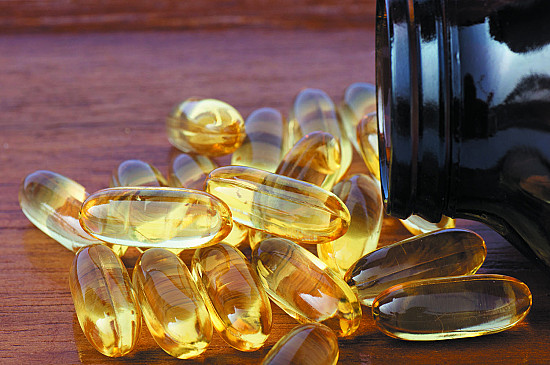

Vitamin D plays a crucial role in various aspects of health. Low levels of this essential vitamin are linked to an increased risk of heart disease, diabetes, cancer, mood disorders, and dementia. As a result, vitamin D supplements have gained immense popularity. However, many individuals using these supplements do not exhibit any indications of deficiency or related health issues, and some consume doses far exceeding safe limits.
How Much Vitamin D Do You Need?
The current Recommended Daily Allowance (RDA) for vitamin D is 20 micrograms (mcg or mg) or 800 international units (IU) for individuals aged 70 and older. For those aged 1 to 70, the recommendation is 15 mcg (600 IU).
The 2024 guidelines from the Endocrine Society indicate that healthy adults under the age of 75 do not require vitamin D supplements. Supplements are recommended only for specific groups: children (ages 1 to 18), adults over 75, pregnant women, and individuals at high risk of prediabetes.
Vitamin D and Your Health
Known as “the sunshine vitamin,” vitamin D is produced by the body following sun exposure. It significantly contributes to bone health by enhancing the absorption of calcium and phosphorus. Research into vitamin D’s impact on various health conditions has surged since the early 2000s.
While its role in bone health is well-supported, evidence regarding its effectiveness in preventing other medical conditions remains inconclusive.
The Vitamin D and Omega-3 Trial (VITAL), involving over 25,000 participants aged 50 and older, found that those taking vitamin D did not demonstrate reduced rates of heart attacks, strokes, or cancers. Nevertheless, among participants who developed cancer, those who used vitamin D supplements for a minimum of two years had a 25% lower risk of cancer-related mortality compared to those on a placebo.
Further analyses of VITAL data revealed that five years of vitamin D supplementation was associated with a 22% lower risk of autoimmune diseases like rheumatoid arthritis or psoriasis. Additionally, it appeared to slow the rate of cellular aging. However, no impact on depression prevention was recorded.
In 2025, two randomized controlled trials found no significant difference in cognitive function or memory (the VitaMIND trial) or dementia rates (the Finnish Vitamin D trial) among those taking vitamin D supplements.
Factors Affecting Your Vitamin D LevelsSeveral factors can influence vitamin D levels in your body, including: Where You Live. Individuals residing in northern latitudes (above 37°) have a higher risk of vitamin D deficiency due to reduced sun exposure in winter months. Your Age. The skin’s ability to produce vitamin D declines with age. If you are over 65, your skin produces only about one-fourth of the vitamin D it did in your 20s. Your Skin Color. People with darker skin tones typically have lower vitamin D levels compared to those with lighter skin. On average, African Americans possess about half as much vitamin D in their blood as white Americans. Your Weight. Individuals with a body mass index over 30 may have lower vitamin D levels, as this vitamin is fat-soluble and can become stored in body fat, making it less available for use. The Foods You Eat. Beyond certain fish, few foods have substantial vitamin D naturally. Many dairy products, including cow’s milk, are fortified with vitamin D, a practice started by the U.S. government in the 1930s to combat rickets. Plant-based milks and breakfast cereals are often fortified as well. Certain Health Conditions. Individuals with conditions like inflammatory bowel disease, liver disease, or cystic fibrosis can struggle to absorb vitamin D effectively, leading to deficiencies. |
Vitamin D Benefits and Warnings
Excessive vitamin D can be hazardous. Since vitamin D is fat-soluble, it cannot be easily excreted through urine; instead, surplus amounts accumulate in bodily tissues and blood.
Taking too much vitamin D can lead to toxicity, which may cause hypercalcemia—an excess of calcium in the blood—potentially leading to deposits in arteries or soft tissue. High doses of vitamin D may also increase the risk of painful kidney stones.
Research involving older individuals susceptible to falls indicated that those on higher vitamin D doses (50 mcg to 100 mcg, or 2,000 IU to 4,000 IU) had an increased risk of falling compared to those on lower doses (6.3 to 25 mcg, or 250 IU to 1,000 IU). A subsequent analysis suggested that individuals with the highest vitamin D levels post-supplementation faced a higher risk of falls compared to those with lower levels.
Consult your doctor to determine whether you should take a vitamin D supplement, and if so, which dosage is appropriate for you.
Selected Food Sources of Vitamin D |
||
|
Selected Foods |
Micrograms (mcg) Vitamin D |
% of FDA Nutrition Label Daily Value (DV) |
|
Salmon, cooked, 3 oz |
11.1 |
55.5% |
|
Tuna, canned in water, 5 oz |
1.7 |
8.5% |
|
Sardines, canned in oil, 3.75 oz |
4.4 |
22% |
|
Cow’s milk, low-fat, fortified, 8 oz |
2.8 |
14% |
|
Soy milk, unsweetened, fortified, 8 oz |
1.6 |
8% |
|
Orange juice, fortified, 8 oz |
2.5 |
12.5% |
|
Egg yolk, 1 large |
0.9 |
4.5% |
Source: USDA Food Data Central
Be Smart About Vitamin D
When addressing vitamin D intake, it’s wise to follow a few basic guidelines.
Monitor Your Intake. If you’re using a vitamin D supplement, generally, an intake of 15 mcg to 20 mcg (600 IU to 800 IU) per day is sufficient. If you have a condition affecting bone health or the absorption of vitamin D or calcium, your physician may suggest a higher dosage. Avoid exceeding 100 mcg (4,000 IU) daily unless your healthcare provider advises otherwise.
Prioritize Food Over Supplements. Whenever possible, aim to obtain vitamin D from food sources rather than supplements. Choose fortified dairy items or fatty fish like salmon, which are rich in this vitamin. Always check nutrition labels to see the amount of vitamin D (mcg) per serving and its corresponding Daily Value (%DV).
Consult Your Doctor. Discuss your supplement use with your healthcare provider to ensure you’re taking an appropriate dose for your individual needs. If you maintain a balanced diet rich in vitamin D sources, you might not require additional supplementation.
Image: © Hunterann/Getty Images


