Key Takeaways:
- Effective wellness strategies in beauty retail focus on transforming consumer experiences into engaging stories.
- Building trust, ensuring compliance, and providing education are essential as the market for ingestible beauty products grows.
- Delightful flavors and enjoyable experiences encourage customers to try and continue purchasing wellness products.
Introduction
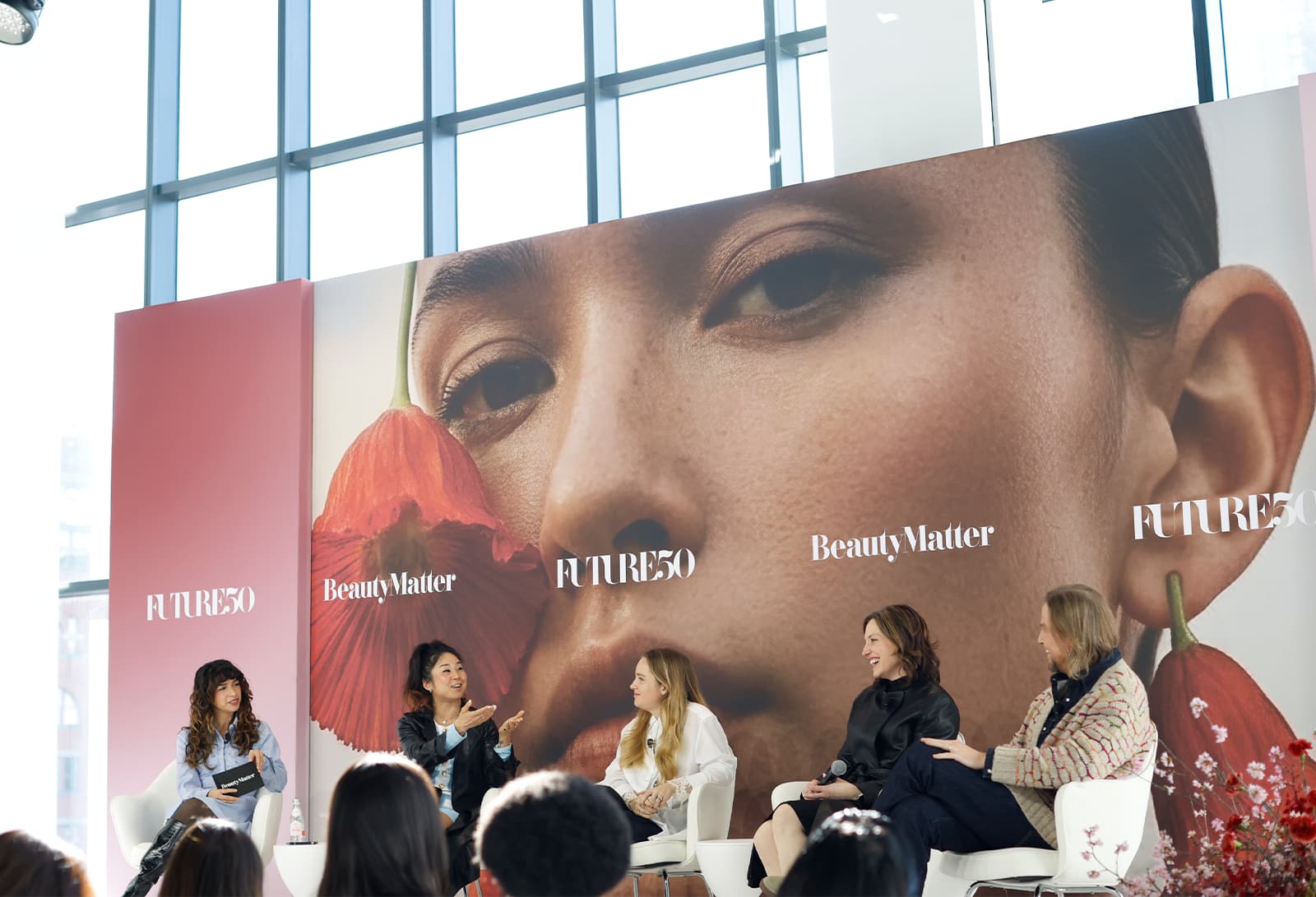
In recent years, the worlds of beauty and wellness have merged, changing how consumers approach their health and self-care routines. As this crossover continues to evolve, the challenge for brands lies in successfully navigating this new landscape. In a recent panel discussion at the BeautyMatter FUTURE50 2026 Summit, experts shared their insights on how wellness brands can thrive in a beauty-centric retail environment. This article distills their insights into practical advice for both consumers and industry professionals.
The panel, moderated by Cristina Montemayor from BeautyMatter, featured notable figures like Shizu Okusa, CEO of Apothékary; Charlotte Cruze, COO of alice mushrooms; Laura Beres, VP of Wellness at Ulta Beauty; and Lorne Lucree from the TOSLA Nutricosmetics Scientific Board. They emphasized various factors that determine a wellness brand’s success in beauty retail, including merchandising, compliance, customer education, sensory appeal, and the future of ingestible beauty.
One significant takeaway from the discussion is that wellness is no longer merely a supplementary category but has become an essential component of the consumer shopping experience. “Seventy-two percent of our guests prioritize wellness in their daily lives,” noted Beres. Moreover, she emphasized that two-thirds of consumers are expected to increase their investment in wellness products over the coming year. This evolution indicates a clear desire for products that not only enhance appearance but also promote inner well-being. In many ways, beauty and wellness are intertwined.
In light of this, Ulta Beauty has expanded its wellness offerings to include supplements along with sleep aids and stress management products, all tailored for specific routines. “Our guests are focused on their routines,” Beres explained. “They might combine a topical wrinkle treatment with ingestible collagen—it’s all about completing the overall regimen.”
However, the transition to merging wellness with beauty retail is not without its challenges. Okusa pointed out that while beauty purchases often stem from aspirational desires, wellness purchases are generally motivated by a desire for transformation. This distinction is crucial when marketing these products; the focus should be on the emotional experience—how consumers want to feel, rather than how they simply want to look.
This difference is particularly significant in physical stores, where the sensory experience of wellness products isn’t as immediate as that of traditional beauty items. Cruze highlighted the role of sampling as a powerful tool for introducing customers to wellness products. “Everyone is willing to try a piece of chocolate,” she said, referring to alice mushrooms’ innovative chocolate format as an example. “If we’re offering a capsule, it might lead to hesitation.”
Because the effects of these wellness products can be felt pretty quickly, customers often return excited after trying a sample. “When we sample our focus chocolate, customers frequently come back after half an hour and say, ‘I loved that—I want to buy it,’” Cruze remarked. “For beverages, the phrase is ‘drinks to lips.’ For us, it’s ‘chocolate to lips.’”
Education also plays a significant role in overcoming consumer hesitance, particularly regarding novel ingredients like functional mushrooms. Cruze stressed the need for balancing detailed information with an approachable presentation. “We are always striving to clarify what a functional mushroom is and how it benefits consumers, ensuring it feels accessible and not niche,” she said.
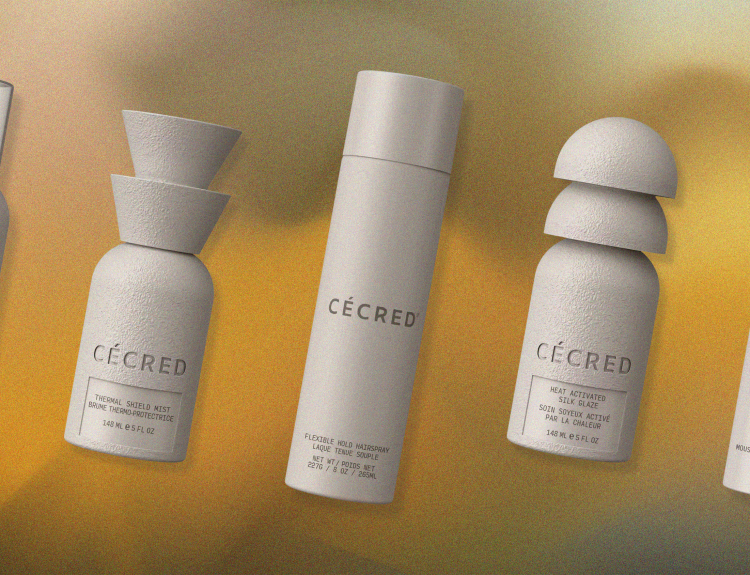
In this context, packaging becomes crucial—not just for differentiating products but also for fostering consumer trust. Both Okusa and Cruze emphasized the importance of employing beauty’s visual elements to elevate wellness products beyond their typically clinical appearance. “It’s not just about effectiveness anymore,” Beres added from a retail perspective. “The packaging must also be visually appealing to attract consumers.”
Conclusion
As wellness continues to gain prominence in the beauty retail landscape, brands must focus on creating compelling narratives and enjoyable experiences for consumers. By emphasizing emotional well-being alongside physical appearance, offering sampling opportunities, and educating shoppers about new ingredients, companies can successfully navigate this evolving marketplace. Both consumers and businesses stand to benefit from this synthesis of beauty and wellness, leading to a more holistic approach to self-care.